What’s Next for Laurel Canyon’s Canyon Country Store?
"Today is a very sad day for me and for our canyon." Tommy Bina posted those words to Facebook on the morning of April 22, saying that after 44 years running the Canyon Country Store at 2108 Laurel Canyon Blvd, he'd just been told he was no longer welcome inside it.
The post traveled fast, the way anything involving that store does in Laurel Canyon. Bina had spent decades as the face behind the counter, the man who stocked British candy after a regular customer turned out to be David Bowie, who kept a bundle of firewood by the register with a sign reading "Come On Baby Light My Fire," who by most accounts treated the shop less like a business and more like a clubhouse for a neighborhood that has never quite let go of its 1960s self. What got less attention, buried under the outpouring of nostalgia, is what the state's own liquor license paperwork actually shows. It tells a stranger and more specific story than "beloved landmark sold," and it comes with a deadline that lands this week.
Every business that sells alcohol in California files with the Department of Alcoholic Beverage Control, and those filings create a paper trail that outlasts any Facebook post. For the Canyon Country Store, that trail starts on April 8, 1982, when license number 120773 was issued to Houshang Maghen as primary owner, alongside Manoutcher Shamsa and Kamran Nejatbina as fellow licensees.
That original license sat mostly untouched for over four decades. Then, on September 5, 2025, it was transferred to a new entity called Canyon Country Corporation. The people on it were mostly the same, with two additions: Eli Bina and Shirley Bina joined as stockholders, and David Manoutcher Shamsa became the corporation's president. That transferred license is still active, and according to a review of ABC records reported by the San Fernando Valley News Portal, it's set to expire on August 31, 2026.
That's next week.
Here's the detail that most of the coverage mentioned in passing and then moved past. Tommy Bina, the man whose name is synonymous with this store, whose own website calls him its owner, does not appear on the 1982 license, the 2025 transfer, or any version of the paperwork in between. Not as a licensee. Not as a stockholder. Not once, in 44 years.
The Hollywood Reporter's Rambling Reporter column offered a partial explanation in March, when co-owner David Shamsa, 82, told the outlet that he and three other investors purchased the store in 1982, and that one of those original investors was Bina's brother, who has since died and left his ten percent stake to Tommy. If that's accurate, Bina held an inherited financial interest in the business itself, separate from the liquor license that actually governs who can operate the shop. It's a distinction that matters enormously right now, because it means the person the entire canyon associates with the store was never the person whose signature controlled its legal standing. When Bina wrote in April that new owners had "come in and told me I am no longer welcome at the store," he wasn't describing a violation of paper ownership. He was describing something the paperwork had already made possible.
Shamsa, for his part, pushed back hard on one piece of the story making the rounds. Rumors had spread that the new owners planned to convert the shop into a straight liquor mart. Asked about it by the Hollywood Reporter, Shamsa dismissed the idea as "bullshit," though he offered no specifics about what the space would actually become.
If the ownership picture stopped there, it would already be complicated. It doesn't stop there.
On January 21, 2026, a completely separate ABC license was issued for the same address, this one to an entity called Canyon Country Cousins Liquor Inc. The people behind it don't overlap at all with the Bina or Shamsa families. The filing lists Donald Hannoun as CEO, Brandon Hannoun as CFO, and Ryan Rommy Askar as secretary. As of the most recent public record check, that license is still listed as pending rather than active.
So as of this writing, there are two liquor licenses tied to one small store on one corner of Laurel Canyon Blvd. One is active, held by the corporation that includes Shamsa and the Bina family, and it expires August 31. The other is pending, held by an unrelated group with a different name entirely, and nobody involved has publicly explained how or whether the two connect. Neither corporate group has issued a statement clarifying what happens when the first license lapses. That silence, more than any single fact in this story, is what's actually unresolved heading into next week.
A liquor license expiring doesn't necessarily mean a store closes. Renewals happen, transfers complete late, paperwork catches up. But an active license with a hard expiration date and a pending transfer sitting unfinished in the same file is not a routine situation, and it's the kind of detail that tends to get lost in coverage written months before the deadline actually arrives. The February and March stories about the sale captured the shock of the moment. They didn't have a reason to flag August 31, because it wasn't imminent yet. It is now.
For residents who've treated the store as a fixture, the honest answer is that nobody outside the two ownership groups currently knows what the next thirty days look like. The gap between the old operating structure and whatever comes next is exactly where a small, cash-strapped canyon institution can quietly change shape without anyone posting about it until after the fact.
None of this has closed the doors. As of the most recent listing update, the store's posted hours run 7 a.m. to 10 p.m. on weekdays and slightly shorter on weekends, the same schedule regulars have relied on for years. The deli counter is reportedly still turning out sandwiches. The patio benches are still there. The murals are still on the walls. Whatever is happening in the ABC filing system hasn't yet reached the shelves.
That gap between the legal story and the lived one is worth sitting with, because it's the same gap that shapes a lot of what makes Laurel Canyon feel the way it does. Small, decades-old businesses like this one rarely announce their own instability. They keep the lights on and the coffee brewing right up until the paperwork forces a change nobody saw coming from the sidewalk.
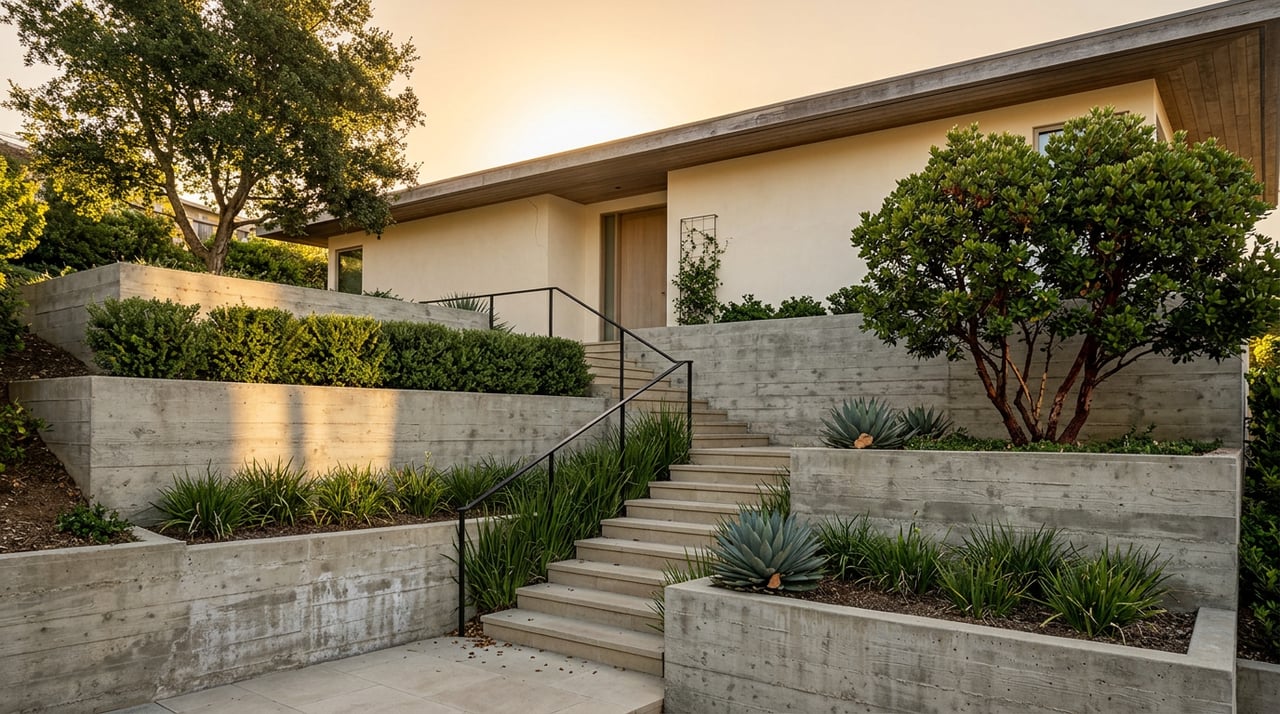
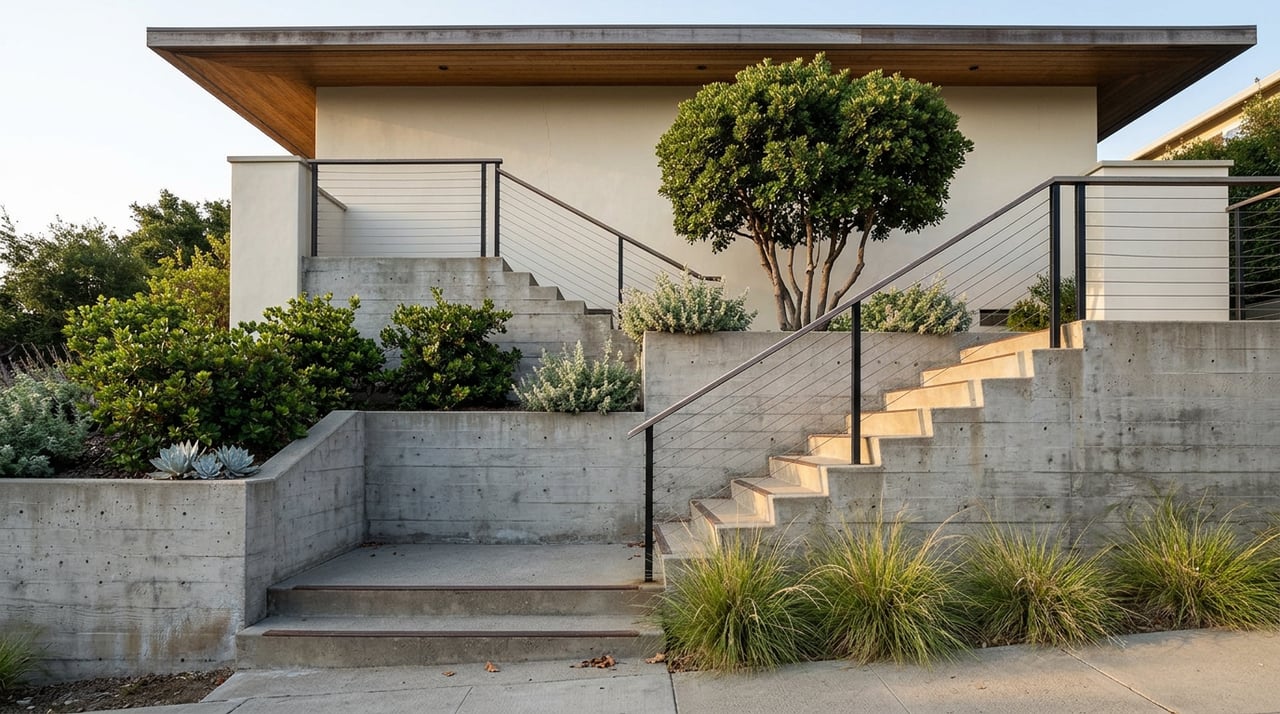
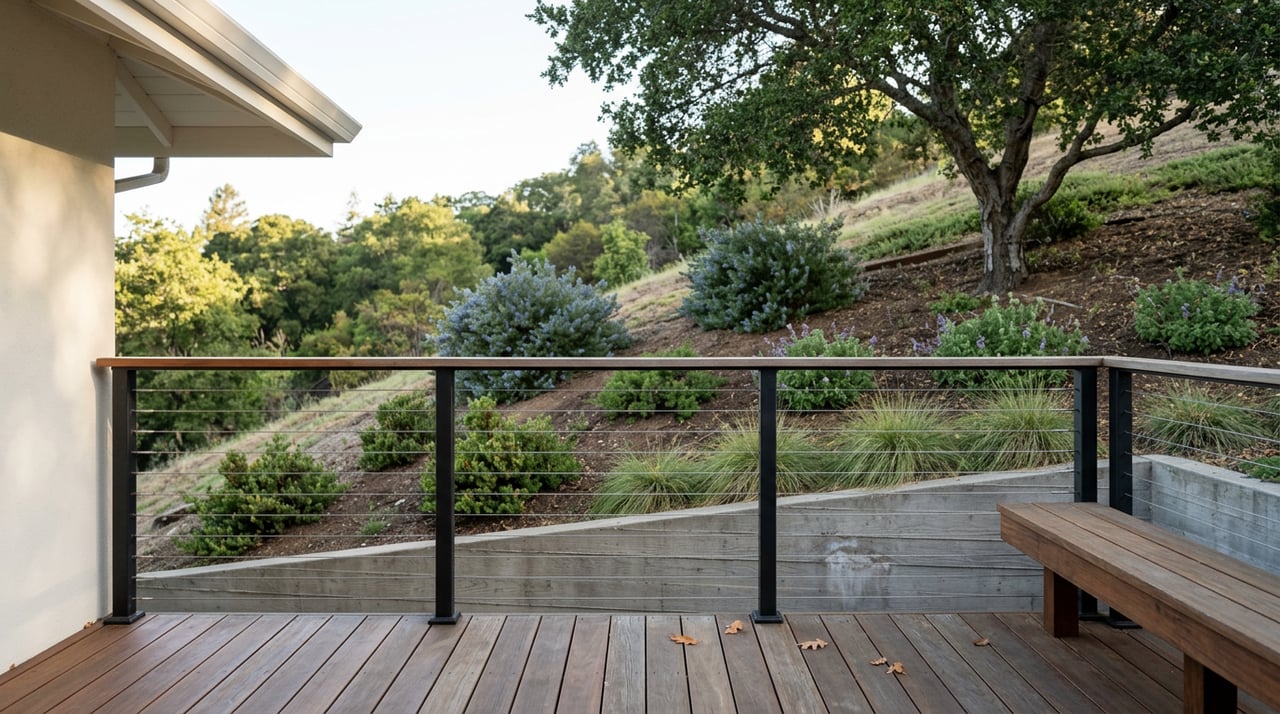
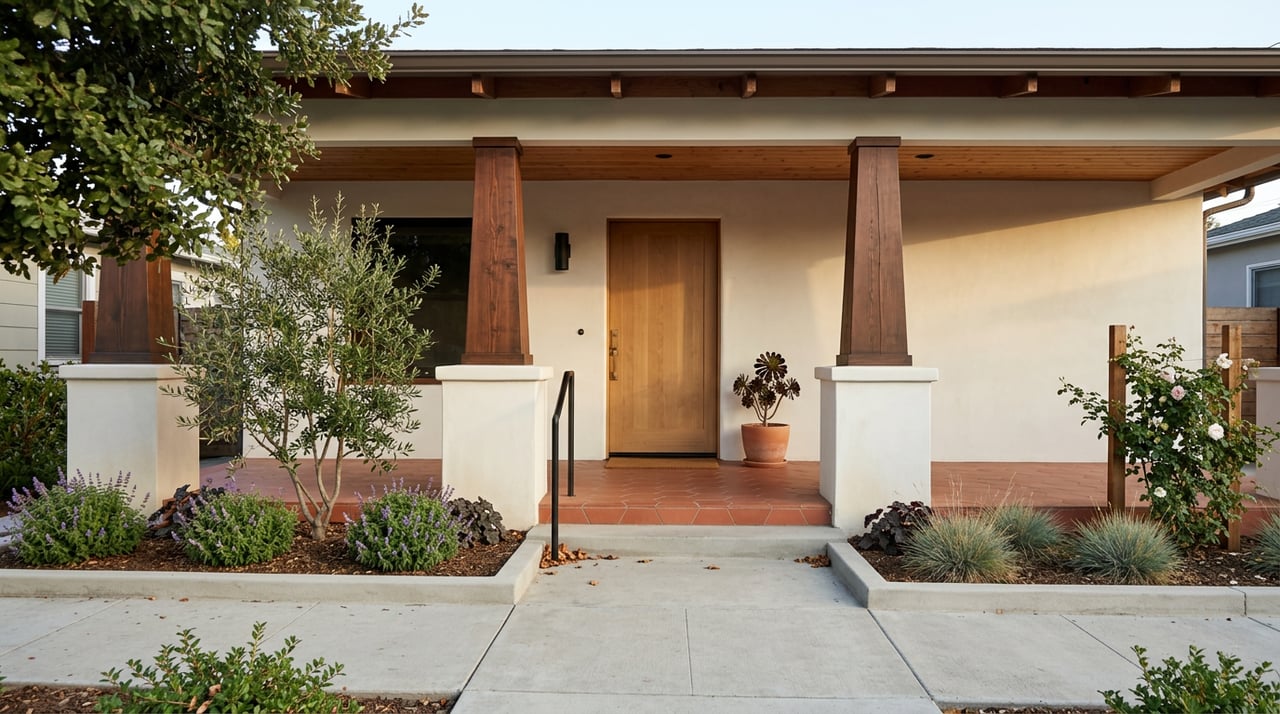
Places like the Canyon Country Store are part of what makes a hillside address here mean something beyond square footage. At Longfellow + Leach, we spend as much time tracking the texture of these neighborhoods as we do tracking comparable sales, because the two are rarely separate. If you're curious what a home near this stretch of Laurel Canyon is actually worth in today's market, or what a design-forward renovation could do for a property in the hills, we're glad to talk it through.
Stay up to date on the latest real estate trends.
We're here to help you every step of the way. Reach out today with our experienced team for expert guidance and support.