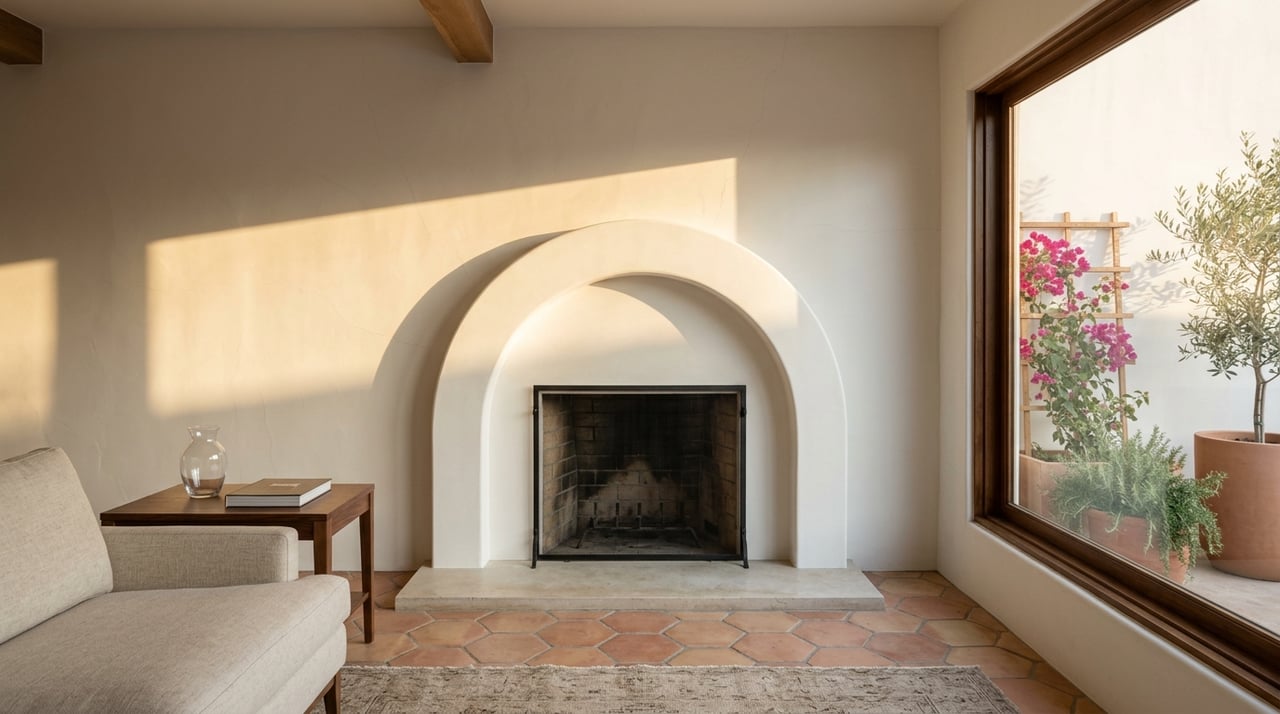
Preparing A Los Feliz Character Home For Today’s Market
Wondering how much to update before you list a Los Feliz character home? It is a common question, especially when your house has original windows, plaster walls, hardwood floors, or period details that give it its identity. The good news is that preparing this kind of home for today’s market usually is not about stripping out its charm. It is about protecting what makes it special, fixing what distracts buyers, and presenting it with clarity. Let’s dive in.
Before you paint a room or replace a window, confirm what you own from a planning and permitting standpoint. In Los Feliz, that means checking zoning, permit history, and whether the property is identified as a historic resource through the City of Los Angeles systems such as ZIMAS and HistoricPlacesLA.
This step matters even more for vintage homes. Los Feliz sits within the Hollywood Community Plan Area, and some properties may also be subject to historic review rules. If your home is in an HPOZ, exterior work can trigger an added layer of review, including changes that sellers sometimes assume are minor, such as landscaping or paint.
If past work was done without the required approvals, it is better to learn that early. A pre-listing strategy works best when you know which items are cosmetic, which are repair-related, and which may need city review before you go to market.
If your property falls within an HPOZ, exterior renovations, additions, new construction, and certain visible changes may require review. Work completed without HPOZ review can lead to enforcement issues and fines, which is not something you want surfacing in the middle of escrow.
Some projects may qualify for administrative clearance, including maintenance, repair, restoration, landscape and hardscape work, window maintenance or replacement, stucco maintenance, and re-roofing. Larger changes, demolition, or removal of historic features may require a more involved entitlement process.
For Los Feliz Spanish, Tudor, and mid-century homes, the smartest preparation plan usually begins with preservation. A strong general rule from preservation guidance is simple: repair historic features rather than replace them, and if replacement is necessary, match the original design, color, texture, and, where possible, materials.
That approach tends to support what buyers already value in character homes. Original details often create the emotional connection, especially when they are visible, functional, and well cared for.
Windows are often one of the most important features to evaluate carefully. Preservation guidance treats repair as the first option, and energy concerns alone are not automatically a reason to replace historic windows. If replacement is truly necessary, the new windows should match the old ones and preserve the look of the facade.
Plaster deserves the same level of care. Original flat or ornamental plaster is usually better repaired by a skilled craftsperson than swapped out for a drywall-style finish that changes the feel of the room.
Flooring also carries a lot of visual weight in a character home. Historic wood floors should generally be retained when possible, repaired when repairable, and replaced with compatible materials only when needed.
Exterior masonry and architectural trim can make a big difference in first impressions. Retaining walls, steps, columns, cornices, window surrounds, and similar details help tell the story of the house.
Avoid changes that radically alter the original masonry character. It is also wise not to paint historically unpainted masonry just to create a trend-driven look, especially if your goal is to present the home as authentic and well maintained.
Once the home’s status and preservation priorities are clear, turn to the updates that help buyers focus on the right things. In most cases, the highest-impact pre-sale work is not dramatic. It is the basic, visible work that makes a home feel lighter, cleaner, and cared for.
That usually includes:
These updates help the architecture read more clearly in person and in photos. They also reduce the visual noise that can pull attention away from original tile, built-ins, trim, hardware, and other period elements.
Fresh paint can be helpful, but it should support the house rather than flatten it. A lighter, calmer palette on larger wall surfaces often works well, while original trim and details should remain visible wherever possible.
That balance matters in Los Feliz character homes. Buyers drawn to these properties usually want a home that feels fresh, but still rooted in its architectural identity.
Staging should clarify how the home lives. According to the National Association of Realtors, 83% of buyers’ agents say staging makes it easier for buyers to envision themselves in a property.
That does not mean filling every room. Over-furnishing can make spaces feel smaller and less functional, so the better approach is to create clean circulation, define the room’s purpose, and let key details stand out.
The spaces most often staged are the living room, primary bedroom, and dining room. In a character home, those are often the rooms where period details and day-to-day livability come together most clearly.
In the City of Los Angeles, permits are required for many types of construction, alteration, and repair work on private property. Work is not considered approved until it has been inspected and accepted.
That means sellers should be cautious about assuming a project is too small to matter. Interior modifications, floor-plan changes, structural alterations, fences, retaining walls, and similar items can trigger permit requirements.
Window and door work is one area where sellers can make costly assumptions. Los Angeles guidance includes residential window and door change-outs among items that can require permits, and new window openings or frame replacement may raise additional review issues.
If your home also sits in an HPOZ, the review process can be broader than a building permit alone. Even if a change may not require a standard permit, it can still require historic district review.
If you plan to sell within the next 6 to 12 months, the order of operations matters. A thoughtful sequence helps you avoid rework, control costs, and keep your launch on schedule.
A practical path usually looks like this:
This order tends to work well because it prevents cosmetic work from being undone later. It also allows your final presentation to reflect the actual condition and strengths of the home.
Some sellers want to do the right work but prefer not to pay for everything up front. In that situation, Compass Concierge can help front the cost of certain home-improvement services, with zero due until closing. Covered services can include staging, flooring, painting, landscaping, and other pre-sale work, though terms and repayment timing vary by market.
For a Los Feliz character home, this kind of support is often most effective when used for presentation-focused improvements rather than architectural overhauls. Think refinishing or appropriate flooring replacement, paint, landscaping, repairs, deep cleaning, and staging.
Staging is not about redesigning the house into something it is not. It is a marketing tool that helps buyers understand scale, purpose, and lifestyle.
Research from the National Association of Realtors suggests staging may increase the value of offers by 1% to 10% compared with similar unstaged homes, though results vary. The more consistent takeaway is that staged homes tend to help buyers connect with the property more quickly.
If virtual staging is used in any marketing, material alterations should be disclosed so buyers are not misled about the property’s condition.
The strongest Los Feliz listings usually do not feel over-renovated or generic. They feel intentional. Buyers can see the original architecture, understand the condition of the home, and imagine living there without distraction.
That is the real preparation sweet spot for a character property. Preserve the details that matter, address visible deferred maintenance, sort out any permit or historic review issues early, and present the home with calm, thoughtful staging.
If you are preparing a Los Feliz character home for sale and want a design-minded plan that respects the architecture while positioning it for today’s market, the Longfellow + Leach Team can help you build a smart pre-sale strategy.
Stay up to date on the latest real estate trends.
We're here to help you every step of the way. Reach out today with our experienced team for expert guidance and support.