Buying a Hillside Home in Silver Lake? Start Here
Wondering whether that view home in Silver Lake is as practical as it is beautiful? Hillside properties can offer striking architecture, layered outdoor spaces, and a strong sense of place, but they also come with access, slope, parking, and permitting issues that deserve a closer look. If you are thinking about buying a hillside home here, knowing what to review before you write an offer can help you avoid surprises and buy with more confidence. Let’s dive in.
In Silver Lake, the lot itself often tells a big part of the story. The City of Los Angeles treats hillside properties differently from flatter neighborhoods, with separate review standards for street access, slope analysis, lot coverage, grading, and off-street parking.
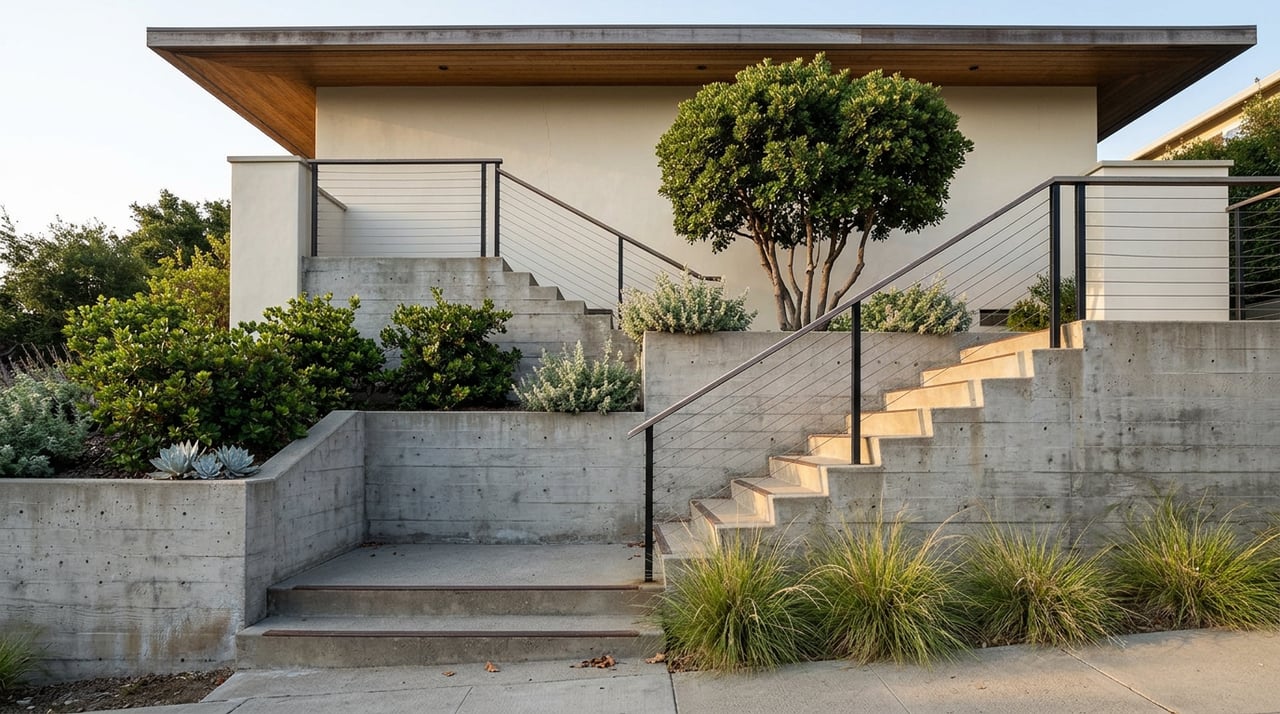
That matters because a hillside home is not just about square footage or finishes. The way you arrive, park, walk up to the front door, manage drainage, and maintain the site can shape your daily experience just as much as the design of the house.
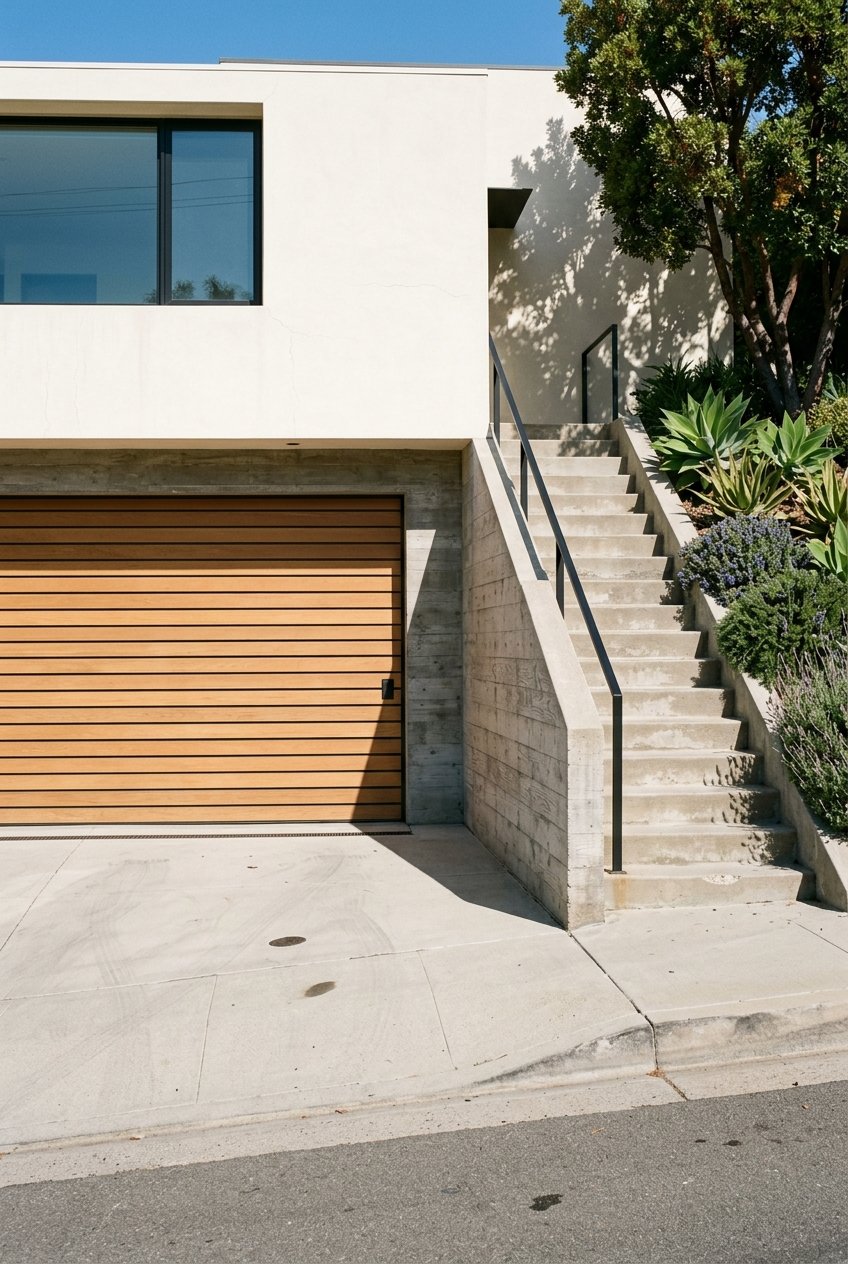
One of the most important things to understand is how the property is accessed. The City describes hillside communities such as parts of Silver Lake and Echo Park as areas with narrow, winding roadways, and those street conditions can affect both convenience and future plans.
Street classification also affects parking. According to the City’s hillside street guide, Hillside Collector and Hillside Local streets are designed for parking on both sides, while Hillside Standard and Hillside Limited streets allow parking on one side.
If a home sits on a Hillside Limited street, that can mean a more constrained feel in everyday use. It may also matter if you ever plan to expand or substantially improve the property, because some substandard hillside streets can trigger additional dedication or approval requirements before permits are issued.
When you tour a hillside home in Silver Lake, pay attention to the approach before you focus on the interiors. A beautiful house can function very differently depending on the street and driveway.
Look for:
These details can sound minor at first, but they tend to matter every single day.
Los Angeles hillside standards generally require at least two parking spaces in a private garage for a one-family dwelling, and every access driveway must be at least 9 feet wide. That gives you a starting point, but practical use can be a different question.
LAFD reviews access using criteria such as width, turning radii, grade access points, parking restrictions, overhead clearances, load capacity, turnarounds, and secured entrances. In other words, the shape and function of the driveway are not just design details. They are part of how the property works.
LAFD Firewise guidance recommends a 12-foot-wide driveway, 15 feet of vertical clearance, and less than 5 percent slope for emergency access. While that guidance is separate from the City’s general 9-foot driveway standard, it is a useful benchmark when you are evaluating how comfortably the site may function.
For some hillside areas, parking restrictions can change during Red Flag conditions. LAFD states that when the City declares a Red Flag Day, parking is prohibited in posted areas within Very High Fire Hazard Severity Zones, especially on narrow roads, sharp curves, hairpin turns, and key intersections.
If a home depends heavily on street parking, this is worth understanding early. It can affect guest parking, household routines, and how the street feels during high-risk fire weather.
A large lot on paper does not always mean large usable outdoor space. The City’s hillside process requires a slope analysis map prepared and signed by a registered civil engineer or licensed land surveyor, which shows how important topography is in hillside development.
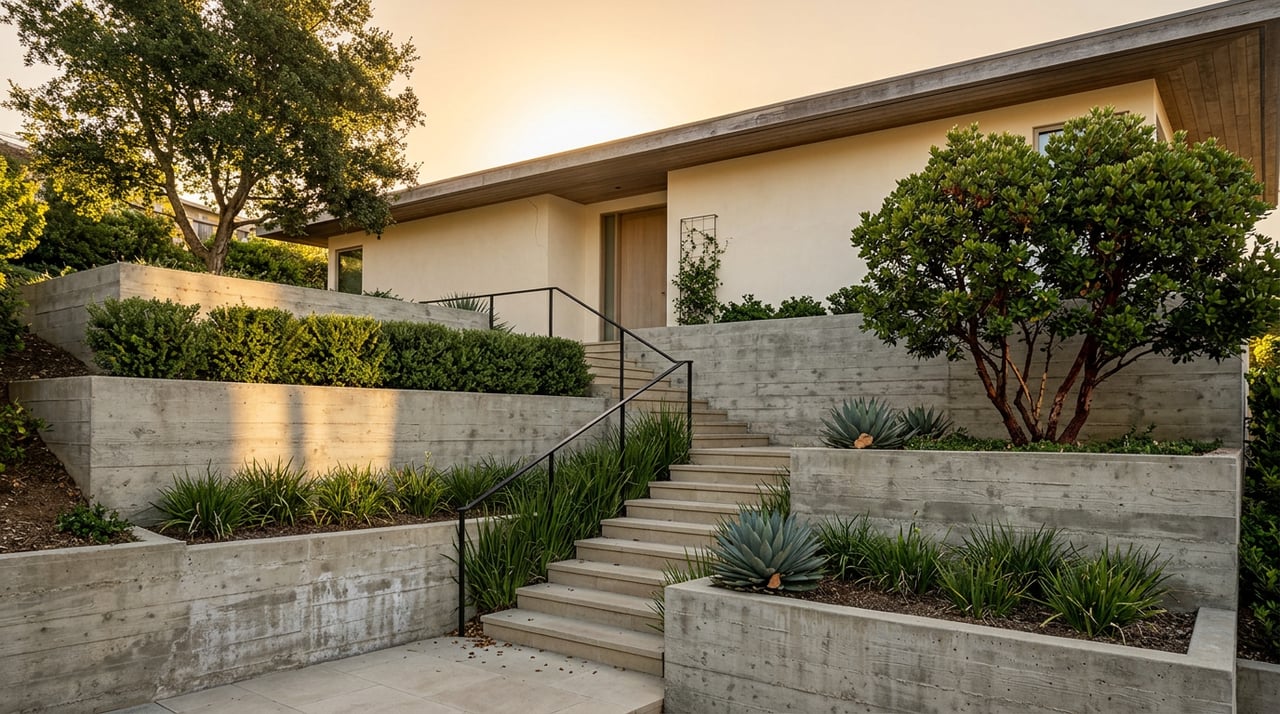
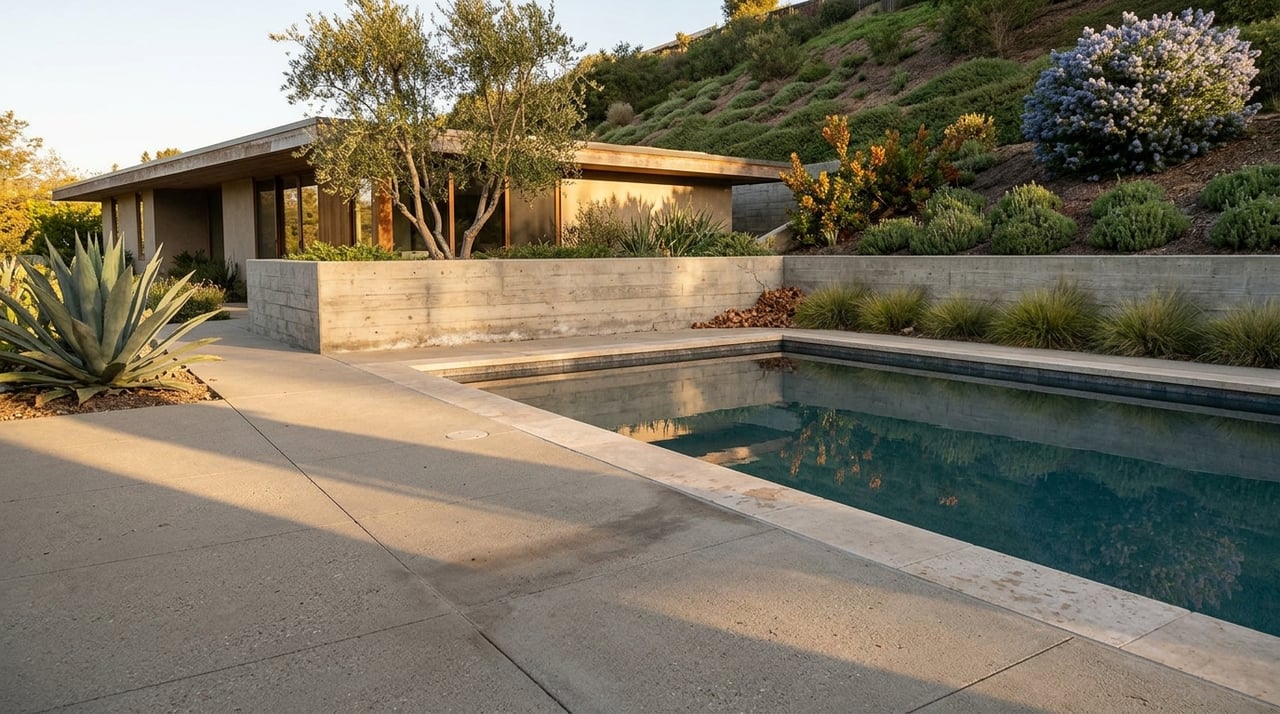
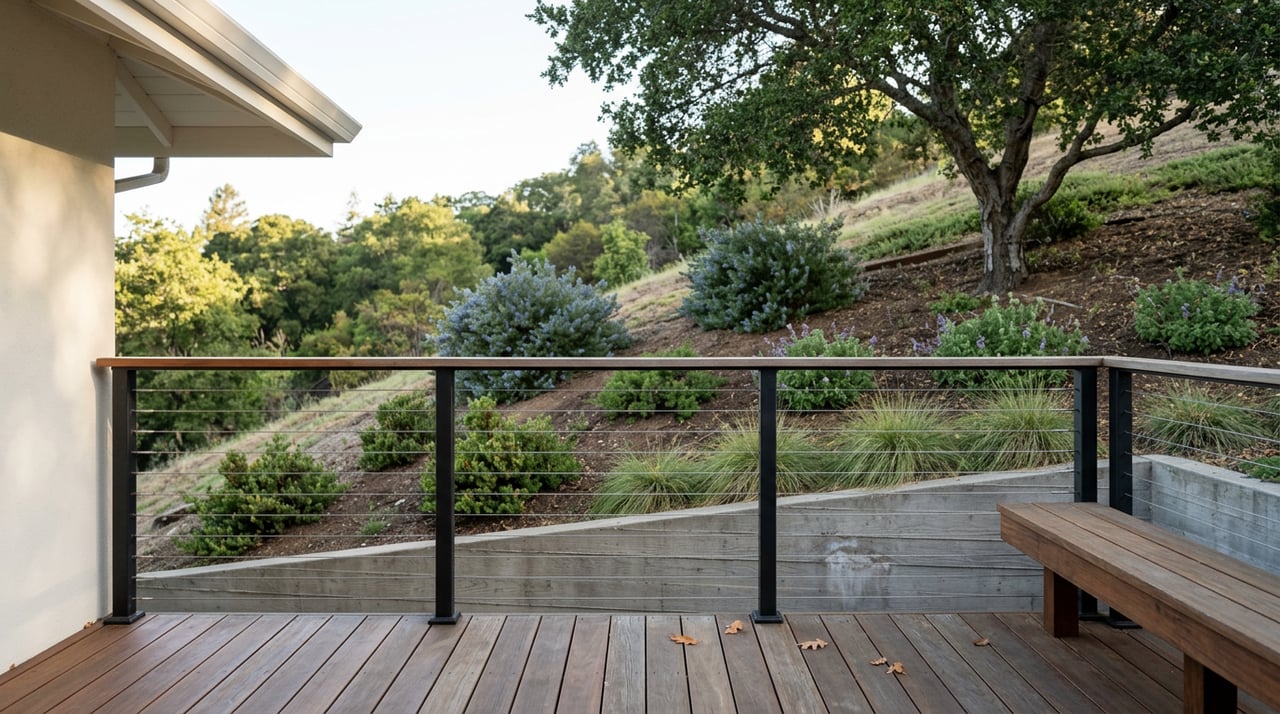
For you as a buyer, that means the shape of the land may matter more than the raw lot dimensions. A property may have terraces, decks, retaining walls, or split-level outdoor areas instead of one flat backyard.
The City also limits lot coverage on hillside sites. In single-family hillside standards, buildings and structures extending more than 6 feet above natural ground level are generally limited to 40 percent lot coverage, with a 45 percent allowance for certain substandard lots.
Before you fall for the views, step back and assess how the exterior actually lives. Outdoor space in Silver Lake hillside homes can be beautiful, but it may be more segmented than expected.
Ask yourself:
A design-minded property can still be highly livable, but the best fit depends on how you use space day to day.
On a hillside property, retaining walls and drainage features are not cosmetic extras. LADBS says grading permits are required for hillside grading work, removal and recompaction, backfill, slope repairs, landslide repairs, basement excavations in hillside areas, pool excavations in hillside areas, and retaining wall cuts, backcuts, and backfill.
That should tell you something important: visible slopes, terraces, walls, and drainage paths are part of the property’s critical infrastructure. If you see cracking, movement, erosion, pooling water, or patched concrete, those items deserve closer review.
This is also where permit history becomes especially useful. If the seller has added retaining walls, changed the driveway, or reworked the site, you will want to verify that the work has a clean permit trail.
California’s Natural Hazard Disclosure Statement requires sellers to disclose whether a property is in a high or very high fire hazard severity zone, a wildland fire area, an earthquake fault zone, or a seismic hazard zone such as a landslide or liquefaction zone. The form also notes that these hazards may limit development, insurance, or disaster assistance.
For hillside buyers in Silver Lake, that disclosure is not just paperwork. It can affect insurance questions, future remodeling plans, vegetation management, and your overall comfort with the site.
CAL FIRE states that owners in State Responsibility Areas or Very High Fire Hazard Severity Zones are responsible for defensible-space compliance, and local agencies may impose stricter rules. LAFD also emphasizes fire-resistant construction and vegetation management around the home.
Some hillside parcels sit close to brush, steep grades, and narrower evacuation routes. That is one reason the City’s Red Flag parking program focuses on posted areas where parked vehicles could block evacuations or fire response.
If you are comparing homes, it helps to think beyond the structure itself. Consider how the street, slope, landscaping, and surrounding conditions may affect safety planning and ongoing maintenance.
Hillside homes often have layered improvement histories. A property may have had additions, grading work, retaining wall installations, driveway changes, or structural upgrades over time.
LADBS states that inspectors review work such as foundation excavations, concrete, wood framing, plumbing, electrical, roof nailing, and retaining walls, and work is not approved until it has been inspected and accepted. That makes permit and final inspection records especially important when prior work is visible.
If records are incomplete, ask more questions, not fewer. On a hillside lot, unresolved permit issues can be more than administrative. They can signal unknown costs, delayed plans, or the need for further evaluation.
A standard home inspection is important, but it may not be enough for every hillside property. The California Geological Survey makes clear that earthquake hazard maps are not a substitute for geologic and geotechnical site investigations.
That is a strong clue for buyers. If a property shows signs of settlement, cracking, drainage problems, large retaining walls, or major slope work, it may make sense to pair a general inspection with a structural or geotechnical specialist.
If you later plan repairs or improvements, contractor selection matters too. CSLB recommends confirming license status and getting at least three written bids based on identical plans and scope.
Buying a hillside home in Silver Lake is often a mix of emotion and analysis. You may be drawn to the light, views, architecture, and privacy, but the smartest purchase usually comes from understanding how the property performs at the street, site, and structural level.
A careful review of access, parking, slope, drainage, retaining walls, hazard disclosures, and permit history can help you separate a compelling property from a complicated one. When you know what to ask early, you can move forward with much more clarity.
If you are considering a hillside purchase in Silver Lake, the right guidance can make the process far less stressful. The Longfellow + Leach Team brings deep local knowledge of Silver Lake hillside properties and a calm, detail-oriented approach to helping you evaluate what is beautiful, what is functional, and what deserves a closer look.
Stay up to date on the latest real estate trends.
We're here to help you every step of the way. Reach out today with our experienced team for expert guidance and support.