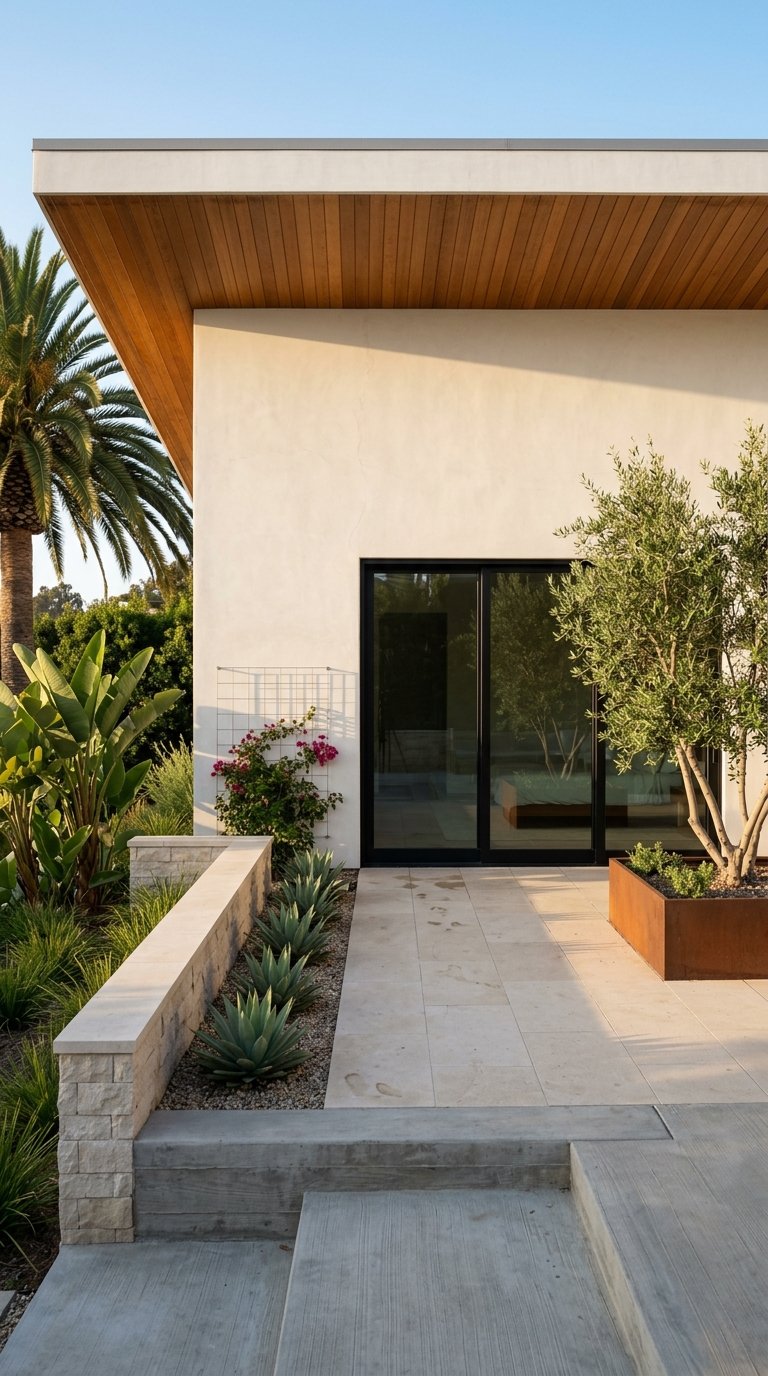
Los Feliz vs Silver Lake Homes for Architectural Buyers
If you are searching for an architectural home in Northeast Los Angeles, Los Feliz and Silver Lake can both feel like the right answer at first glance. Each neighborhood offers hillside streets, strong design identity, and homes with real character, but the experience of buying in each one is meaningfully different. If you want to narrow your search with more confidence, this guide will help you compare architecture, site conditions, and day-to-day lifestyle so you can focus on the fit that matches how you want to live. Let’s dive in.
For many buyers, the biggest difference comes down to cohesion versus range. Los Feliz is known for a more unified Period Revival identity in its hillside historic areas, while Silver Lake offers a broader mix of styles layered across time.
In Los Feliz, the Los Feliz Heights Residential Historic District is described by the City of Los Angeles as a cohesive collection of Period Revival homes. You will see strong examples of American Colonial, Spanish Colonial, Mediterranean, and Tudor Revival architecture, much of it developed in the 1920s and 1930s on hillside streets with notable architect involvement.
Silver Lake has a different architectural rhythm. The Silver Lake Residential Historic District includes Period Revival and Mid-Century Modern homes, and the broader survey documentation identifies major concentrations of Early Modern, International Style, and Mid-Century Modern residences in the neighborhood.
If you are drawn to a more consistent hillside streetscape, Los Feliz may feel easier to read. The neighborhood’s best-known historic hillside areas tend to deliver a stronger visual thread from one home to the next, especially if you are focused on 1920s to 1940s architecture.
That can be especially appealing if you want a search centered on Spanish Colonial, Mediterranean, or Tudor Revival homes. In practical terms, Los Feliz often feels more formal and period-driven.
If you want more architectural range, Silver Lake usually opens up the search. You may see Period Revival homes on one street, then Mid-Century Modern or Early Modern houses nearby, all within the same broader neighborhood fabric.
For buyers who prioritize postwar design, clean lines, or a more layered sense of neighborhood evolution, Silver Lake often stands out. Its documented modernist concentration is one of the strongest reasons design-minded buyers look there first.
Architecture is only part of the story in these neighborhoods. The shape of the lot, the slope of the site, and how the home meets the street can all affect views, privacy, parking, and future renovation plans.
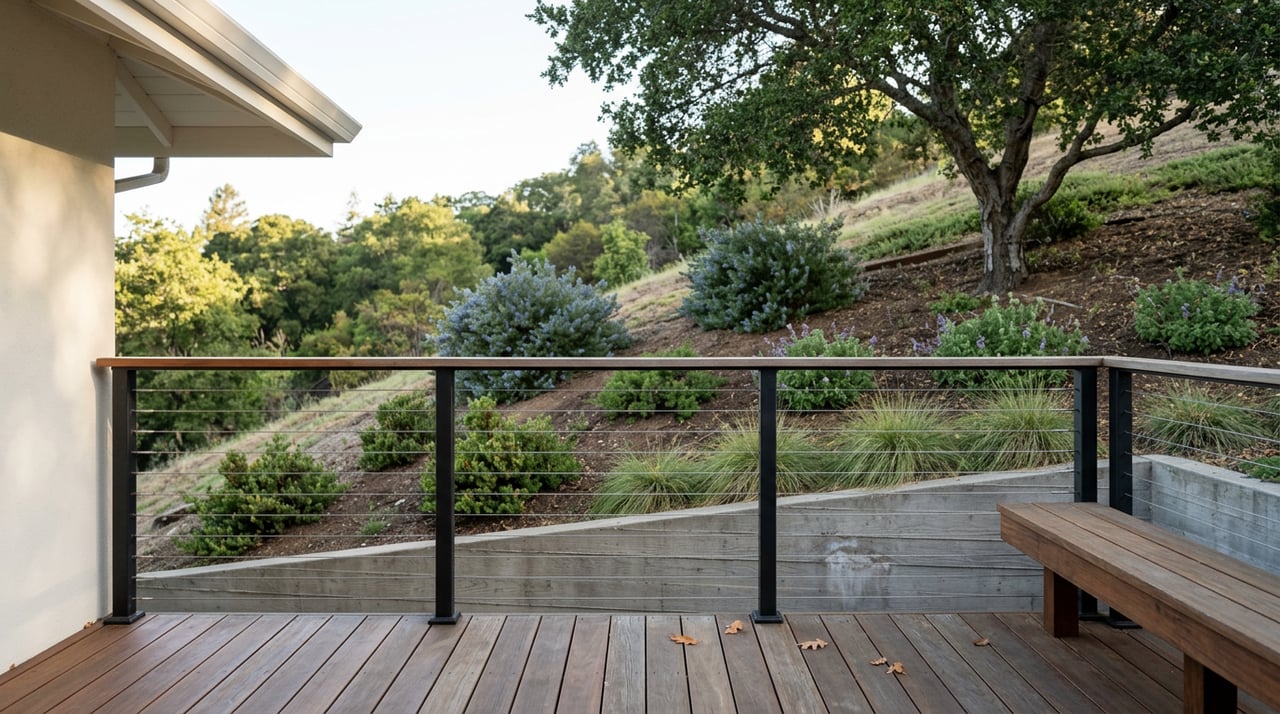
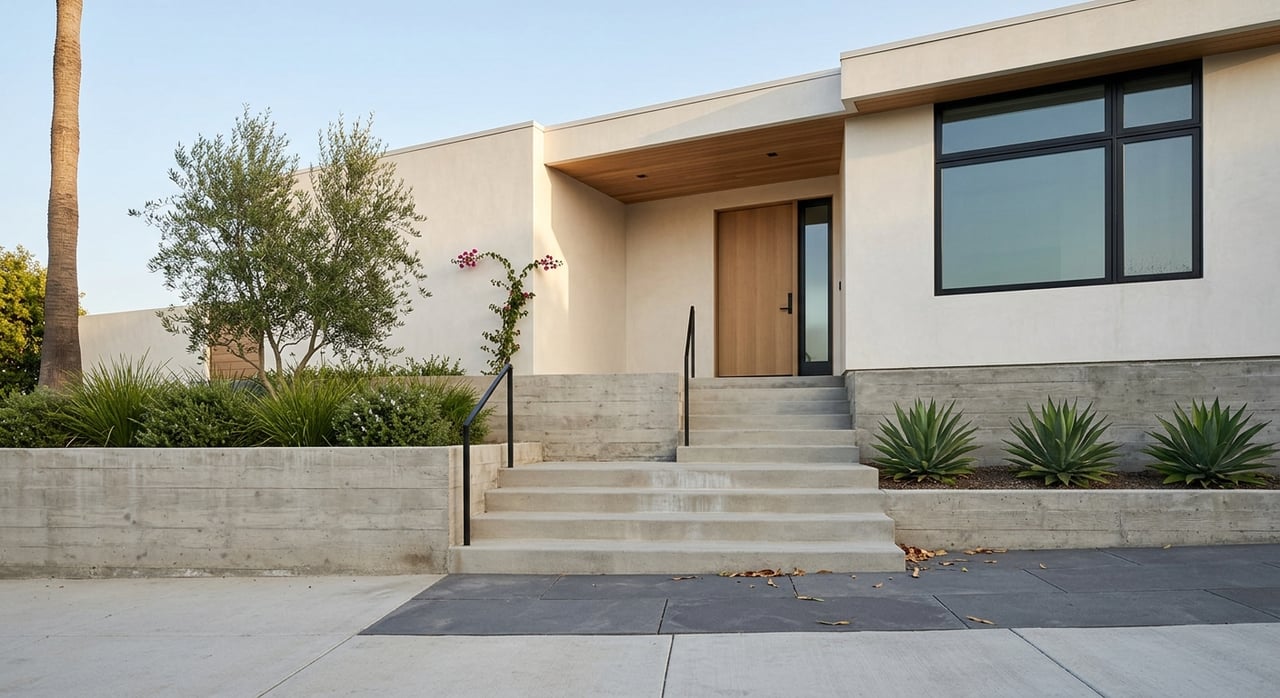
Los Feliz Heights sits on the south-facing slope of Mt. Hollywood. The district is described as having irregularly shaped, sloping sites, curving streets that follow the terrain, mature vegetation, concrete sidewalks without parkways, and several public stairways. Some lots also offer expansive city views.
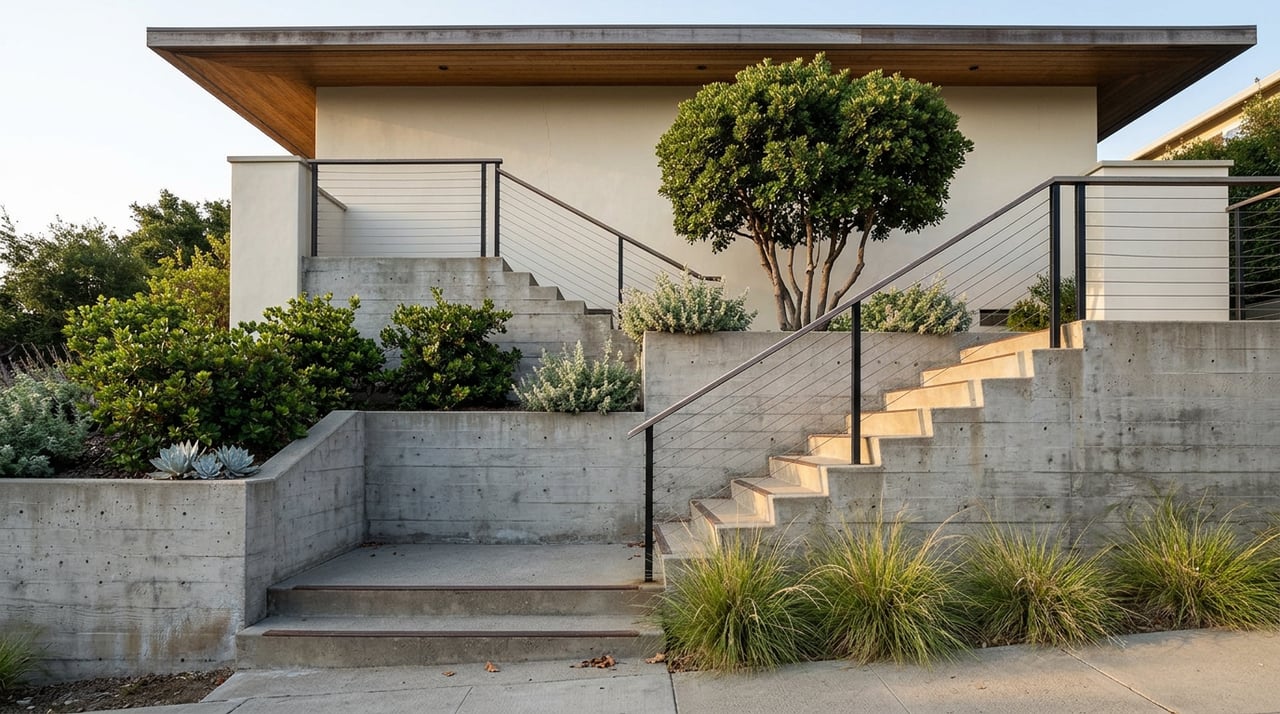
Silver Lake is also strongly shaped by topography, but often in a more visibly varied way. The city describes the Silver Lake Residential Historic District as having varied parcel sizes and shapes, minimal setbacks, perimeter walls and hedges, curving streets, and seven public staircases.
If you like the idea of quirky lots, varied siting, and a neighborhood where the terrain is part of the visual identity, Silver Lake often delivers that in a bigger way. The official survey emphasizes the role of hillside conditions, retaining walls, and parcel variation across a very large district.
That can create beautiful and unusual home settings. It can also mean a more complex search if you are sensitive to street access, parking, or circulation.
Los Feliz usually reads in a more divided way between hillside residential enclaves and its more traditional village and boulevard areas. That separation can make it easier to decide whether you want a park-adjacent hillside setting or a location closer to the neighborhood’s commercial core.
The Los Feliz Boulevard Multi-Family Historic District also adds another layer to the housing mix, including apartment houses, courtyard apartments, and garden apartments with Spanish Colonial Revival, Mid-Century Modern, and Minimal Traditional influences. Homes built before the 1927 widening of Los Feliz Boulevard generally had larger setbacks, according to the city’s documentation.
Two buyers can love the same house and still want very different neighborhood patterns. If your daily routine includes coffee runs, dinner nearby, or a preference for walking to small commercial pockets, Los Feliz and Silver Lake offer different versions of convenience.
Los Feliz has a clearly defined village center. The Los Feliz Village Commercial Historic District on Vermont Avenue between Franklin Avenue and Hollywood Boulevard is described as pedestrian-oriented, with storefronts at the sidewalk, wide sidewalks, mature street trees, and retail and restaurant uses anchored by the Los Feliz Theater.
Silver Lake has a more distributed pattern. The community plan identifies multiple commercial centers and walkable seams, including Sunset Boulevard, Echo Park Avenue, the Glendale and Silver Lake Boulevards Neighborhood District, the Alvarado Street and Sunset Boulevard Community Center, and the south side of Rowena Avenue from Glendale Boulevard to Hyperion Avenue.
If you want your walkable neighborhood life to revolve around one recognizable center, Los Feliz may be the better fit. Its village pattern can feel compact and legible, especially if you like the idea of pairing a hillside home search with a defined commercial district nearby.
The historic record also frames Los Feliz Heights as an elegant hillside subdivision with access to Griffith Park and city views. For some buyers, that combination of hillside setting and concentrated village activity is the draw.
If you prefer a neighborhood that unfolds through several smaller commercial seams, Silver Lake may feel more natural. Instead of one main village center, you get a network of pockets that can shape your routine depending on where you live.
The community plan also characterizes Silver Lake as one of the city’s oldest neighborhoods with a thriving creative and artistic community. For buyers who enjoy a more layered neighborhood pattern, that distributed feel can be a real advantage.
When buyers compare Los Feliz and Silver Lake, the best choice is rarely about which neighborhood is better overall. It is usually about which one better supports your specific architectural priorities.
If your goal is a classic architectural search, Los Feliz is often the cleaner fit. Its hillside historic identity is more cohesive, and its strongest character leans toward Period Revival homes from the 1920s and 1930s.
If your goal is a broader architectural search, Silver Lake usually offers more range. It is especially compelling if you want access to Mid-Century Modern, Early Modern, International Style, or a more eclectic hillside setting.
Before you commit to one neighborhood, it helps to narrow your own criteria. These questions can quickly clarify where your search should begin.
For many buyers, the answer becomes clear once they tour both neighborhoods with these questions in mind. The architecture may draw you in first, but the street pattern, lot shape, and daily rhythm usually decide the better fit.
The right strategy is to search with a clear point of view. In neighborhoods as nuanced as Los Feliz and Silver Lake, a curated approach can save you time and help you focus on homes that truly match your design priorities, site preferences, and lifestyle goals.
If you want help comparing hillside streets, identifying architectural fit, or finding design-minded opportunities in Los Feliz or Silver Lake, the Longfellow + Leach Team can help you build a more focused search.
Stay up to date on the latest real estate trends.
We're here to help you every step of the way. Reach out today with our experienced team for expert guidance and support.