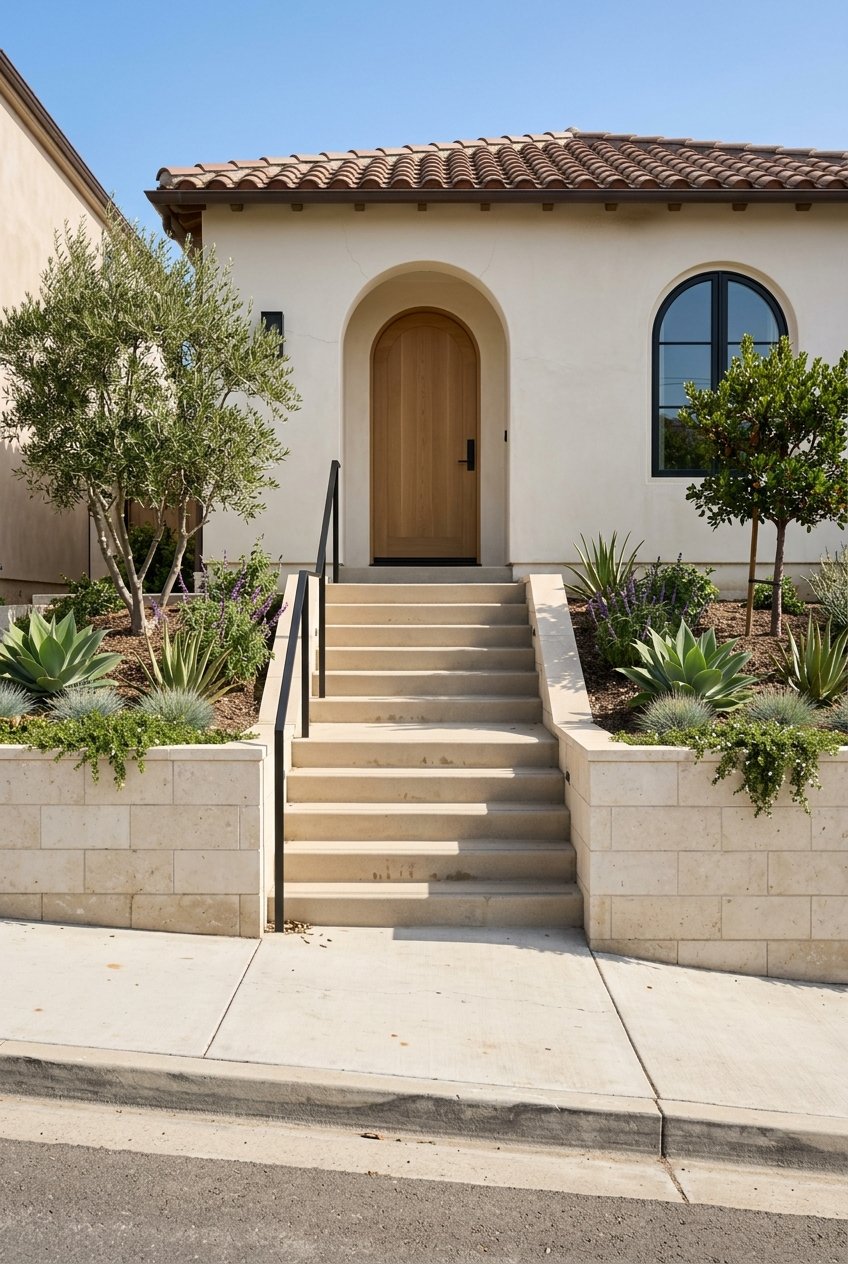
What to Know About First Time Buying in Echo Park
Buying your first home in Echo Park can feel exciting and a little intimidating at the same time. Prices, property types, hillsides, older homes, and fast-moving listings can all make the process feel more layered than a typical starter-home search. The good news is that when you understand how this neighborhood works, you can make smarter decisions, protect your budget, and move forward with more confidence. Let’s dive in.
If you are buying in Echo Park for the first time, the first thing to know is that this is not a one-price-fits-all neighborhood. In March 2026, Redfin reported a median sale price of $1,130,000, while Realtor.com reported a median listing price of $1,395,000. That gap matters because it suggests some sellers are aiming high on ask price, while actual closed prices can land lower.
The pace can also be hard to read if you only look at one headline number. Redfin described Echo Park as very competitive, with many homes receiving multiple offers and average homes selling about 3% above list price. Realtor.com called it a balanced market, with a 99% sale-to-list ratio and 42 median days on market, which means your strategy needs to be flexible rather than automatic.
Recent sales show a wide entry range for first-time buyers. Smaller homes and condos have recently sold around $795,000, $855,000, $905,000, and $925,000, while more renovated single-family homes closed roughly between $1.05 million and $1.42 million. That spread is a reminder that condition, layout, location, and renovation level can change value quickly.
One of the biggest misconceptions about Echo Park is that your only option is a detached house at a premium price. Recent inventory has included condos, townhomes, and multi-family properties alongside single-family homes. For many first-time buyers, that creates a more realistic path into the neighborhood.
Condos and smaller attached homes may offer a lower entry point, but they come with their own checklist. You will want to review HOA documents carefully, especially if the building is older or if major repairs may be coming. In some cases, a smaller home in stronger condition can make more sense than a larger home that needs expensive work right away.
Echo Park also has a housing mix shaped by its age and development history. The City of Los Angeles SurveyLA report notes that much of the area’s residential stock dates to the 1920s and 1930s, with property types such as courtyard apartments and bungalow courts. That variety is part of the neighborhood’s appeal, but it also means no two blocks feel exactly the same.
Echo Park is best understood as a collection of micro-markets rather than one uniform neighborhood. SurveyLA connects the area’s growth to streetcar-era development along corridors like Sunset Boulevard and Riverside Drive. As a result, you may find historic residential streets, compact multi-family stretches, and busier commercial edges all within a short distance.
That matters because value is often hyper-local here. A home on a quieter residential street may compete differently than a unit near a more active corridor. For a first-time buyer, this means you should compare homes block by block and not rely too heavily on broad neighborhood averages.
Angelino Heights is one of the clearest examples of a distinct submarket within Echo Park. Los Angeles City Planning identifies it as the city’s first designated HPOZ and notes its concentration of Victorian-era architecture along with later Craftsman and Mission Revival homes. If you are drawn to historic architecture, that can be a wonderful fit, but it often comes with extra review for exterior changes.
Many first-time buyers fall in love with Echo Park because of the architecture, charm, and lived-in character. That charm is real, but older housing stock means your inspections and document review need to be especially thorough. Before removing contingencies, you should look closely at systems, past permits, and any signs of deferred maintenance.
This is especially important for multi-family buildings and some condo properties. Los Angeles requires retrofit of pre-1978 wood-frame soft-story buildings and non-ductile concrete buildings. If you are considering a condo or multi-unit property, verify retrofit status, permit history, and any HOA records that show completed or pending work.
A home that looks beautifully updated on the surface may still need a closer look behind the walls. In Echo Park, the smartest first-time buyers balance emotion with documentation. You want to understand not only how a home photographs, but how it has been maintained over time.
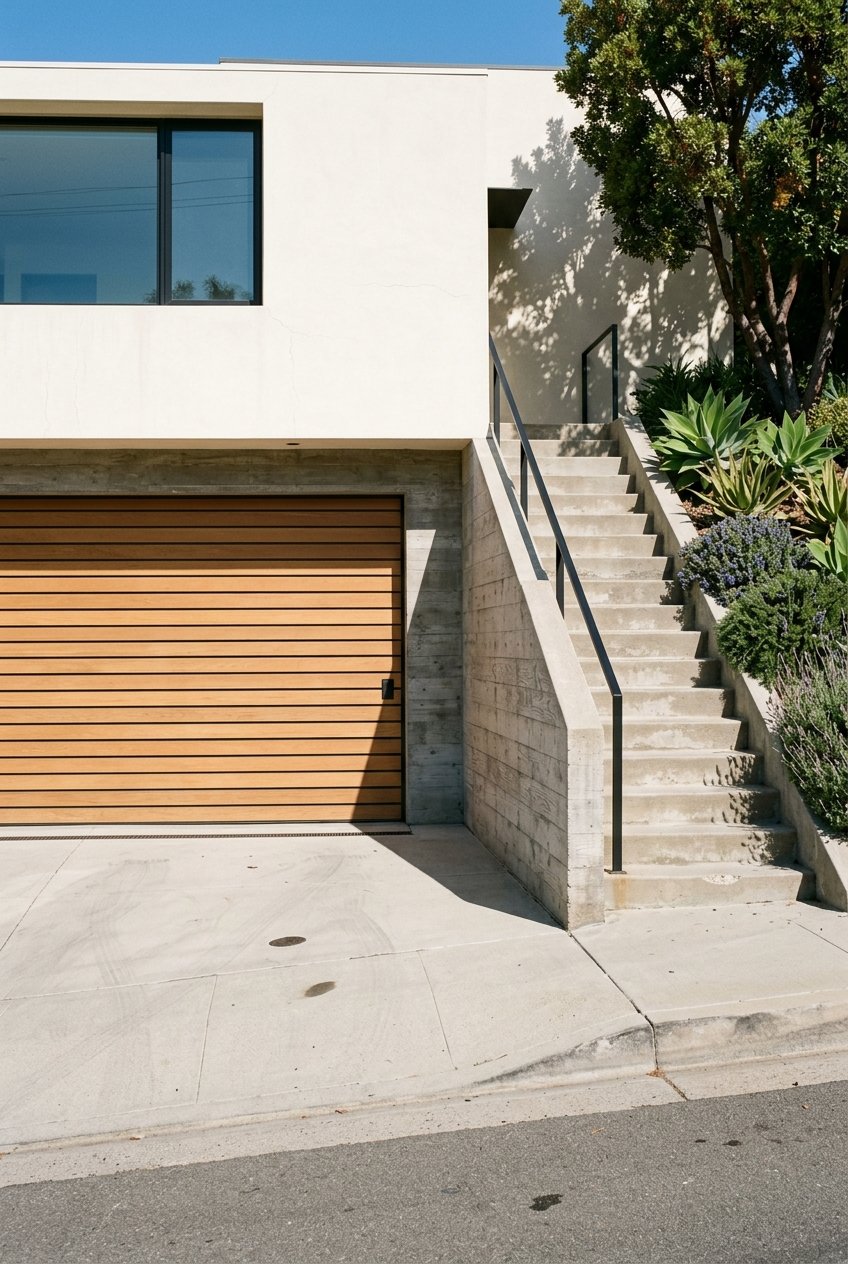
Some Echo Park homes sit on slope-adjacent or hilltop streets, which can add a layer of complexity that first-time buyers do not always expect. Access, drainage, retaining walls, and future construction conditions can all matter more on hillside sites than on flatter lots. If you are considering a hillside property, your due diligence should reflect that.
Los Angeles also has a Hillside Construction Regulation District with rules meant to reduce construction-related impacts in hillside areas. In those districts, weekday work is limited to 8:00 a.m. to 6:00 p.m., Saturdays allow interior work only, and excessive exterior illumination after 6:00 p.m. is prohibited. Those rules may not affect every purchase directly, but they can matter if you are planning future work or evaluating nearby construction.
For buyers with renovation goals, this is where local guidance becomes especially useful. A hillside home may offer design potential and strong appeal, but the path to changes can be more involved than expected. It is wise to understand the site before assuming a quick remodel or addition is realistic.
Echo Park is not just architecturally distinct. It also has layers of local review that can shape what you are allowed to do after closing. The neighborhood includes an official Community Design Overlay, and projects in CDO areas require approval standards before building permits are issued.
In practical terms, this means exterior changes, additions, or redevelopment plans may need more review than they would on an unregulated block. If a property is also within an HPOZ, exterior work may be even more closely guided. For a first-time buyer, that does not mean you should avoid these homes, but it does mean you should ask the right questions before you buy.
If your dream is to personalize a home over time, be sure the property supports that vision. A design-forward purchase works best when your long-term plans match the rules tied to the lot and structure. This is one area where early research can save you time, money, and frustration later.
In Echo Park, parking should be part of your home search from day one. Street parking can shape your daily routine, guest access, and overall convenience more than many first-time buyers expect. A beautiful home can feel very different if parking is consistently difficult.
Los Angeles’ preferential parking rules allow permits for residents in designated districts, but a permit does not guarantee an on-street space. The code also states that no more than three annual permits may be issued to one dwelling unit. On top of that, curb markings and posted signs still control where parking is allowed.
The takeaway is simple: treat parking as a real part of value. If a home does not include off-street parking, spend time on the block at different hours before making an offer. That extra step can help you avoid surprises after closing.
Before touring seriously, get your financing foundation in place. A preapproval letter shows that a lender is tentatively willing to lend up to a certain amount, though it is not a guaranteed loan. It also helps you understand your budget early, and many sellers will expect to see one with an offer.
Keep timing in mind as well. Preapproval letters often expire after 30 to 60 days, so it helps to begin close enough to your search window that your paperwork stays current. Once you have a specific home in mind, compare Loan Estimates from multiple lenders and focus on the loan amount, interest rate, monthly payment, lender-controlled costs, and five-year cost of borrowing.
California Housing Finance Agency guidance also recommends that first-time buyers complete a homebuyer education course. That can be a useful step if you want a clearer picture of financing, budgeting, and what to expect during escrow. In a layered market like Echo Park, preparation gives you more room to act calmly.
A competitive offer is not just about price. It usually includes a clean mix of terms such as earnest money, timing, credits, contingencies, and financing strength. In some situations, buyers may also consider an escalation clause, depending on the property and competition.
In Echo Park, the goal is often to move quickly without giving up the protections you may need as a first-time buyer. Because the market shows both competitive and balanced signals, a thoughtful middle path often works best. That can mean offering decisively on the right home while keeping a clear ceiling and maintaining a short but workable inspection period.
The neighborhood’s pricing swings also make discipline important. Recent sales ranged from about 7% under list to 3% over list, which tells you outcomes can vary widely from one property to another. The best offer strategy is usually tied to condition, comparable sales, and your long-term comfort level, not just emotion.
If you want a simple framework, focus on these items as you narrow your options:
Echo Park rewards buyers who look past the surface and understand the neighborhood in detail. Two homes at similar price points can offer very different tradeoffs depending on street placement, design rules, parking, condition, and future flexibility. That is why local context matters so much more here than a simple online search might suggest.
For first-time buyers, the right guidance is part market knowledge and part property judgment. You want someone who can help you read the nuances between a charming cosmetic update and a truly well-prepared home. In a neighborhood with historic housing, hillside lots, and multiple micro-markets, that perspective can help you buy with more confidence.
If you are starting your search in Echo Park, the Longfellow + Leach Team can help you navigate the neighborhood with a calm, design-aware, hyperlocal approach.
Stay up to date on the latest real estate trends.
We're here to help you every step of the way. Reach out today with our experienced team for expert guidance and support.