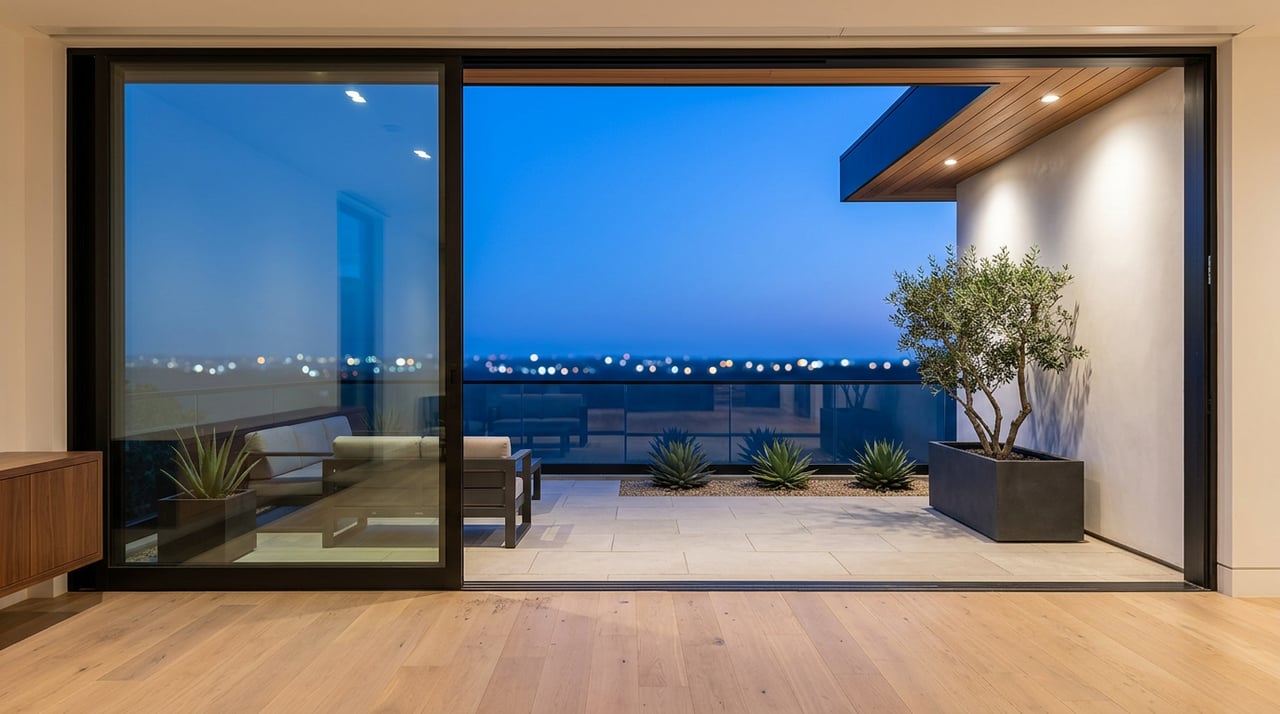
Expert Strategies to Sell a View Home in the Hollywood Hills
Your view is your biggest asset. Getting paid for it takes a plan. In the Hollywood Hills, buyers will pay for skyline, canyon, and sunset moments when they are presented clearly, priced correctly, and supported by airtight disclosures. In this guide, you’ll learn how to stage for sightlines, choose the right visuals, navigate LA’s drone and hillside rules, and time showings to protect your premium. Let’s dive in.
Not all views are equal. City lights, layered canyon depth, and wide horizon lines tend to command the strongest emotional response. Orientation, privacy, and how the view is framed from key rooms matter just as much as the sheer distance.
Academic research shows that view premiums vary widely by type and quality, which is why hyperlocal comps matter more than averages. For context, hedonic studies demonstrate that premiums can be significant but are highly market specific. Use this evidence as a guidepost while you anchor price to nearby solds with similar outlook and obstructions (Benson et al., “The Value of a View”).
Hollywood Hills is a price-stratified micro-market where medians and buyer pools shift by zip code and even by street. Pair your local comparable analysis with broader California signals that point to a cautiously optimistic outlook for near-term sellers (C.A.R. 2026 Forecast).
Start with the right comp set. Pull 6 to 12 months of sales that mirror your view type, orientation, and any obstructions. Note distance to the skyline, elevation, and whether primary living areas face the vista.
Then test the market with intention. Launch with a narrow early window, robust visuals, and appointment-based tours that highlight sunset moments. Gauge first-week traffic and feedback to decide whether to adjust price or terms.
Finally, budget for presentation. Exceptional staging, a hero twilight image, thoughtful video, and legal drone overviews typically increase engagement and help sustain a premium price position.
Well-executed staging consistently shortens time on market and boosts perceived value. NAR research confirms that sellers and buyers place high importance on professional photos, video, and virtual tours, all of which benefit from a clean, design-led stage that celebrates the view (NAR Profile of Home Staging).
Staging checklist for view homes
Use a dual approach. Daylight images deliver clarity and context, while a single dramatic twilight hero shot adds emotion that lifts online engagement. Industry testing shows twilight imagery often outperforms a daytime-only lead photo for premium listings (twilight photo insights).
If you use a virtual day-to-dusk edit, disclose material edits per MLS guidance. Ask your photographer for both edited and unedited versions for compliance.
Recommended visual assets
Aerials are powerful for hillside listings, but they trigger federal and local rules. For any commercial shoot, you must use a pilot who flies under FAA Part 107 with a Remote Pilot Certificate. Most drones also require Remote ID capability. Ask for proof of certification and aviation insurance before you schedule a flight (FAA Part 107 guidance).
Los Angeles adds its own layer. LAMC Section 56.31 outlines city-level safety restrictions, and launches from parks or public land are frequently limited. Professional pilots will advise on safe launch sites and legal flight envelopes (LAMC 56.31).
Many commercial aerials also require FilmLA coordination and specific insurance riders. Work with a pilot who knows when permits apply and can handle filings or advise your team (FilmLA area requirements). Keep the flight scoped to your lot and avoid low passes over neighboring yards or windows.
Plan around the Hollywood Bowl schedule. High-attendance events concentrate traffic, strain parking, and elevate ambient noise across parts of the Hills. For twilight shoots and public opens, avoid major event nights and offer private sunset showings on quieter dates (Hollywood Bowl calendar).
Operational tips
California sellers must deliver a Real Estate Transfer Disclosure Statement and a Natural Hazard Disclosure. Disclose known material facts such as slope repairs, retaining wall history, or past fire damage, and confirm whether the parcel is in mapped hazard zones (California DRE guidance).
Many Hollywood Hills parcels sit near wildland-urban interface areas. Check CAL FIRE’s Fire Hazard Severity Zone maps, prepare defensible space where needed, and encourage buyers to review insurance and mitigation during diligence (CAL FIRE FHSZ maps).
If your property involved hillside work, the City’s Baseline Hillside Ordinance governs grading limits and may require geotechnical reports for significant repairs. Gather permits, geotechnical sign-offs, and as-built grading documents to streamline buyer review (LADBS hillside guidance).
Seller action items
Expect buyers to ask for credits tied to hillside maintenance, tree growth that could affect views, or any unpermitted work. You reduce these asks by front-loading documentation and maintenance. Provide permits, inspection receipts, and clear disclosures, then anchor negotiations back to the quality of the view and the completeness of your file.
During escrow, keep exterior glass spotless and landscaping trimmed so buyers experience the same view intensity at each visit. Maintain a flexible schedule around sunsets for appraiser access when appropriate.
Pre-listing: 3 to 6 weeks
Launch week
Active listing: weeks 1 to 3
Post-offer to close
If you want a design-led plan that showcases your view and navigates LA’s hillside rules with confidence, we can help. Our boutique process pairs staging and presentation expertise with Compass-backed distribution to attract the right buyers and keep your premium intact. Connect with the Longfellow + Leach Team for a complimentary valuation and a tailored design plan.
Stay up to date on the latest real estate trends.
We're here to help you every step of the way. Reach out today with our experienced team for expert guidance and support.