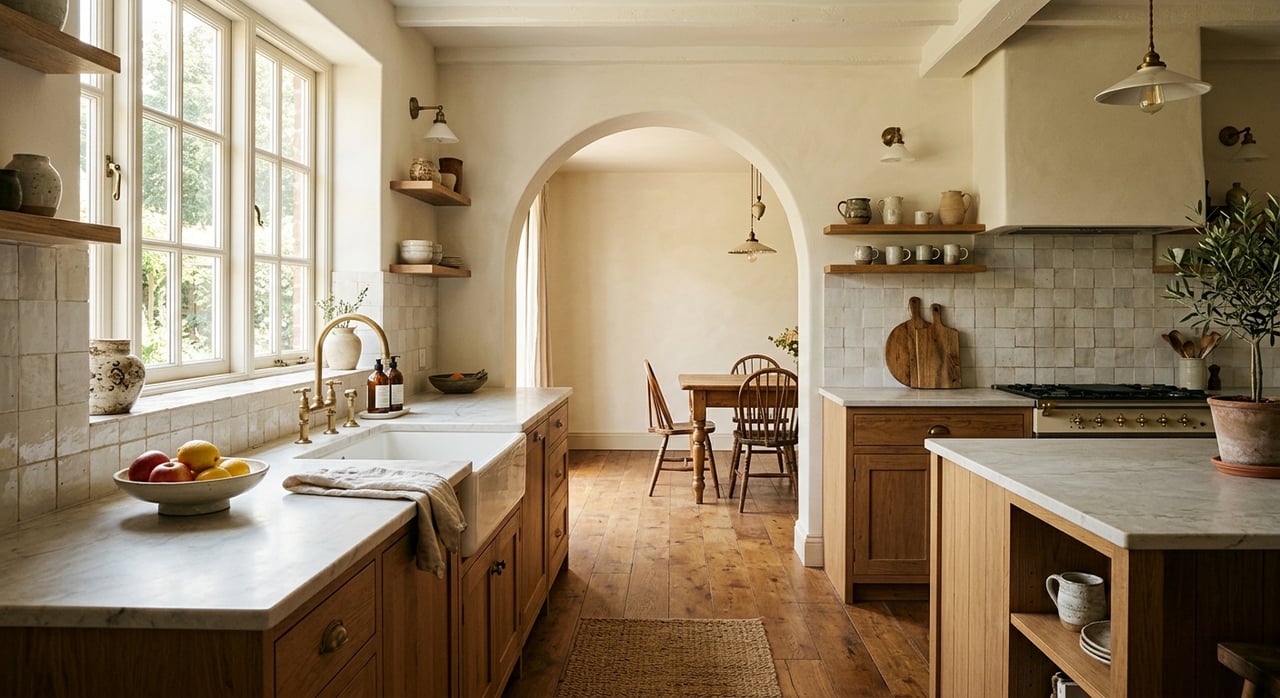
How to Approach an Eagle Rock Character Home Renovation
Thinking about renovating a character home in Eagle Rock? It is easy to get pulled toward dramatic finishes and trend-driven upgrades, but older homes in this part of Los Angeles often reward a more thoughtful approach. If you want to improve daily living and protect resale appeal, the smartest plan is usually to preserve what gives the home its identity, strengthen what is behind the walls, and update the spaces you use most. Let’s dive in.
Eagle Rock has a long history of homes built during the early-to-mid 20th century, including Craftsman bungalows and Spanish Colonial Revival homes documented in Los Angeles planning and historic context materials. In practical terms, that means buyers often notice original design features right away, especially on the exterior. According to Los Angeles historic context materials, changes to front elevation, windows, and rooflines can shape resale perception as much as added square footage.
That does not mean you cannot modernize. It means your renovation decisions should respect the home’s visible character while improving function and comfort in a quieter, more integrated way. In Eagle Rock, the homes that feel most successful usually look authentic from the street and live better on the inside.
If your home has original details, the best first question is often not What should we replace? but What can we save? The National Park Service recommends repairing deteriorated historic features when possible and replacing them only when necessary, with new elements that match the original design, color, texture, and, when feasible, materials.
This is especially important for windows, doors, trim, and other visible exterior features. The National Park Service guidance on rehabilitation and windows makes clear that repair should come before replacement whenever a feature is still salvageable.
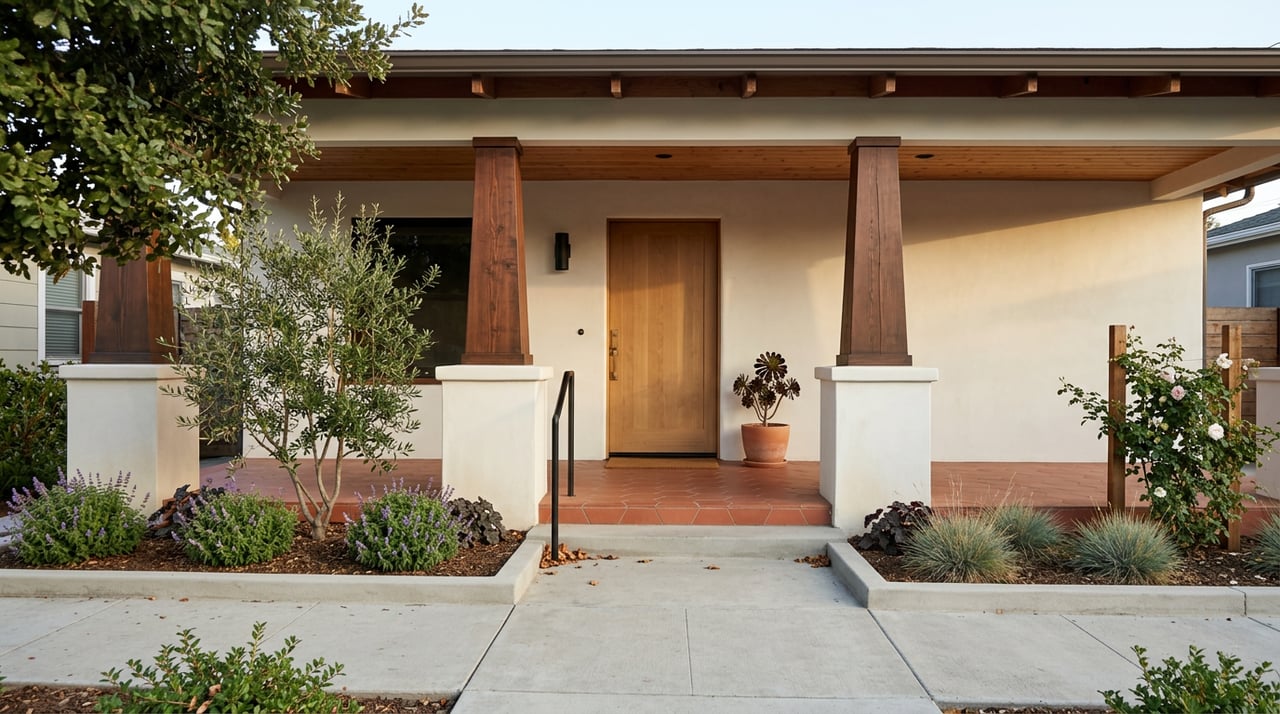
In a character home, the front-facing pieces do a lot of work. Roofline proportions, window patterns, porch details, stucco texture, and trim profiles all contribute to the home’s overall feel. Even small changes can make an older home feel less cohesive.
If you are deciding where to spend, prioritize the features people see first. A renovation that protects the home’s architectural identity often feels more valuable than one that adds flash but strips away charm.
Original windows are one of the most common renovation debates in older Eagle Rock homes. The National Park Service weatherization guidance notes that historic windows can often be repaired or upgraded, and that storm windows can improve performance. It also states that energy performance alone is not always enough reason to replace a repairable historic window.
For many homeowners, that means the better path is to assess condition carefully before assuming replacement is the only answer. If replacement is unavoidable, matching the original appearance as closely as possible helps preserve the home’s character.
A beautiful kitchen will not matter much if the foundation, structural bracing, or core systems need work. In older homes, safety and durability should usually come before cosmetic upgrades. That order helps you avoid redoing finished work later and creates a more stable base for the rest of the renovation.
In Los Angeles, seismic readiness is an important part of that planning. The Los Angeles Department of Building and Safety outlines mandatory retrofit programs for certain building types, and older wood-framed homes may also benefit from checking foundation bolting and cripple-wall bracing. The Earthquake Brace + Bolt program can provide up to $3,000 for qualifying pre-1980 wood-framed homes with raised foundations.
Before selecting tile, fixtures, or cabinet colors, start with the less glamorous items:
That order is often the difference between a renovation that simply looks better and one that truly performs better.
Once the core systems are in good shape, kitchens and bathrooms are usually the next best places to invest. The NARI 2025 Remodeling Impact Report notes that kitchen upgrades and bathroom renovations are among the projects Realtors most often see increasing demand for, while homeowners also report improved functionality and livability.
For a character home in Eagle Rock, the most effective kitchen and bath work is often practical, layout-driven, and visually consistent with the home’s era. That usually means better storage, better circulation, improved lighting, and durable finishes that do not fight the house’s original style.
A highly personalized renovation can work for your own enjoyment, but it may not always support broad buyer appeal later. Eagle Rock remains a strong market, and the local pricing data suggests buyers are still competitive. Zillow’s Eagle Rock home value data reported an average home value of $1,271,108 as of March 31, 2026, while the same source set indicates a market where thoughtful, visible improvements still matter.
That is why balanced updates tend to work best. You want a kitchen or bath that feels fresh and useful, but still believable within the home.
For some Eagle Rock properties, an ADU can be a meaningful long-term upgrade. The California Department of Housing and Community Development describes ADUs and JADUs as an effective way to add housing, and the City of Los Angeles notes that they may support rental income, multigenerational living, and increased home equity.
That said, an ADU is not automatically the right move for every lot or every budget. Site layout, parking, access, privacy, construction cost, and intended use all matter. The value case is usually strongest when you have a clear plan for how the space will serve your household or investment goals.
Los Angeles also offers an ADU Standard Plan Program through LADBS, which is designed to simplify permitting and reduce plan-check time in some cases. Even so, site-specific conditions still matter, and not every approved plan fits every property.
If you are considering this route, it helps to think beyond the build cost alone. Ask whether the ADU adds flexibility you will realistically use, whether for rental income, visiting family, or future living arrangements. The City of Los Angeles ADU overview is a useful starting point.
When you are renovating with resale in mind, broad appeal usually beats highly specific luxury choices. Eagle Rock’s market data suggests buyers are still active, with competitive pricing and relatively quick movement. In that environment, the homes that tend to stand out are often the ones that feel well cared for, cohesive, and easy to understand.
The NARI report supports this approach. It found that Realtors frequently recommend projects like painting, roofing, and buyer-visible upgrades before listing, while observed cost recovery can be strongest for smaller, durable improvements such as front doors and closet renovations. In plain terms, the likely Eagle Rock formula is simple: preserve the charm, fix the bones, and modernize the function.
For many character homes, the most effective improvements include:
These upgrades tend to support both daily use and future marketability without overwhelming the home’s original identity.
One of the biggest renovation mistakes in a character home is choosing finishes that belong to a different style story. A house with historic charm usually benefits from materials, colors, and details that feel calm, durable, and architecturally consistent. That does not require a museum-like restoration. It simply means the new work should feel like it belongs.
In practice, that often leads to better results than chasing short-lived trends. Buyers can usually tell when a renovation feels layered into the home versus imposed on it.
If you are trying to decide how to phase a renovation, this sequence is often the most practical:
This kind of order helps you spend with more confidence. It also reduces the risk of putting money into surfaces before you have handled the systems that support them.
Whether you plan to stay for years or eventually sell, a smart Eagle Rock renovation should support both lifestyle and value. The strongest outcomes usually come from thoughtful restraint, not overbuilding. If you preserve the home’s visible character, improve safety and comfort, and invest in the rooms that matter most, you are more likely to end up with a house that lives well now and shows well later.
If you are weighing which updates are worth doing before you buy, sell, or renovate, the Longfellow + Leach Team can help you think through the design, presentation, and value side of the decision with a local, design-minded perspective.
Stay up to date on the latest real estate trends.
We're here to help you every step of the way. Reach out today with our experienced team for expert guidance and support.