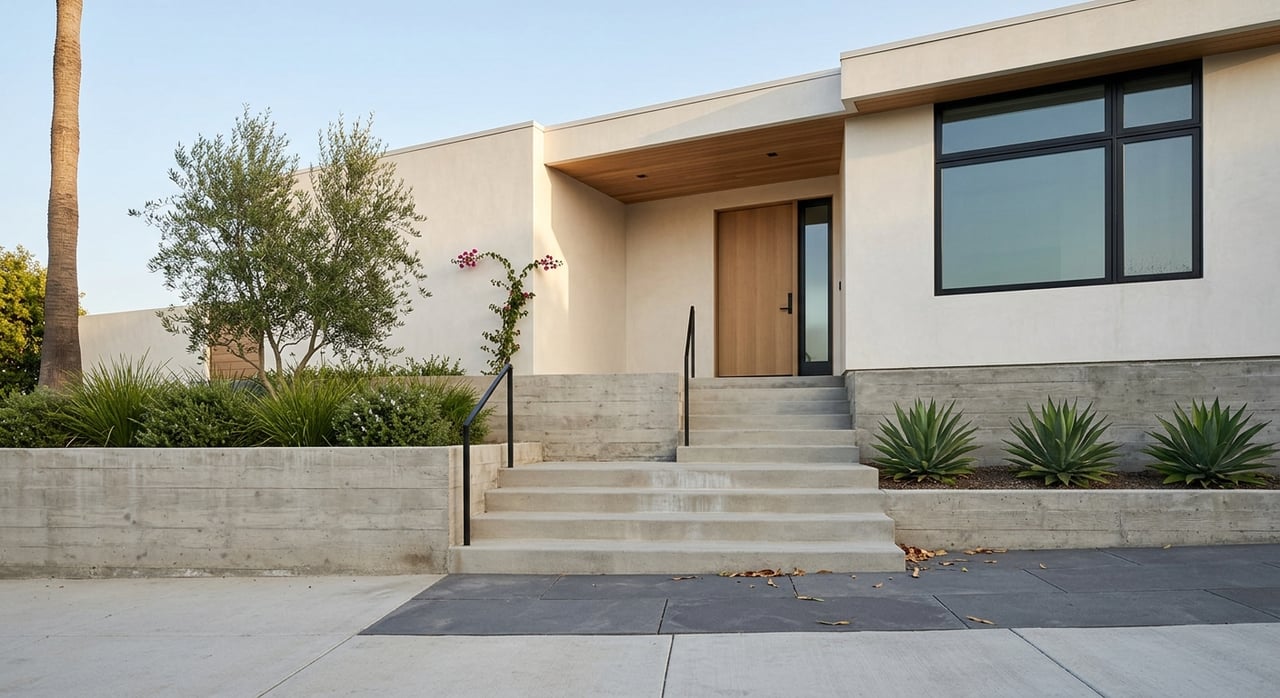
Eyeing a duplex in Echo Park and wondering if it will actually cash flow? You’re not alone. Between rent control rules, older buildings, and shifting financing costs, numbers can feel murky fast. This guide gives you a simple, local framework to model income, expenses, and debt so you can make a confident offer. You’ll also see how rent stabilization and turnover impact your assumptions. Let’s dive in.
Start with rent control and rules
Before you plug in a single number, confirm the property’s regulatory status. In the City of Los Angeles, many multi-unit buildings built before October 1, 1978 fall under the Rent Stabilization Ordinance. The RSO sets limits on allowable rent increases for continuing tenants, creates “just cause” protections, and involves annual registration. If a duplex is covered, you cannot assume market-level jumps on existing leases.
California’s Tenant Protection Act (AB 1482) can also apply to non-RSO properties. It generally caps annual rent increases using a CPI formula with a 10% maximum and includes just cause protections. Some newer buildings and other categories are exempt. Where local law is stricter, local law controls.
What this means for your model:
- Verify year built, RSO registration, current leases, and tenant status.
- Identify if the duplex is under RSO, AB 1482, both, or neither.
- Choose a rent-growth assumption that matches the legal framework for each occupied unit.
Build your Echo Park cash flow worksheet
You’ll follow a simple order of operations so you don’t double count or skip key items.
1) Set unit-level market rents
List each unit, the current rent, and the achievable market rent based on comps. Track units separately. This helps you see the impact of unit mix and any value-add plan.
- Gross Scheduled Income (GSI) = sum of all unit rents at the assumed starting point.
- Add other income if realistic for the property, such as parking or laundry.
2) Apply vacancy and collection loss
Echo Park demand tends to keep vacancy lower, but older buildings can lag. A 4% to 8% range is common. A 5% starting point is reasonable for a base case, then stress-test higher.
- Effective Gross Income (EGI) = GSI × (1 − Vacancy Rate) + Other income.
3) Estimate operating expenses
Use line items instead of a flat rule of thumb when possible, but cross-check your total against typical ranges to catch errors.
Property taxes: budget 1.1% to 1.25% of purchase price. Check parcel-specific assessments.
Insurance: get quotes early. As a placeholder, use roughly $1,000 to $3,000 per unit per year, adjusting for age and liability exposure.
Utilities: confirm who pays water, sewer, trash, gas, and electric. If the landlord pays water/sewer, include it.
Repairs and maintenance: 5% to 10% of EGI. Older Echo Park buildings push to the higher end.
Property management: include a fee if you will not self-manage.
Operating expense ratio check: 30% to 45% of EGI for owner-managed small multifamily; 35% to 50% if third-party management and an older property. Use this as a gut check.
Net Operating Income (NOI) = EGI − Operating Expenses.
4) Separate capital expenditures and reserves
Set aside 3% to 5% or more of EGI for future big-ticket items: roof, seismic work, plumbing or electrical upgrades, exterior paint. Keep CapEx separate from operating expenses for clarity.
5) Layer in financing
Plug in your loan amount, rate, amortization, and annual debt service. In lower cap-rate areas like Echo Park, small rate changes can swing cash flow from positive to negative.
- Cash flow before tax = NOI − Debt Service − CapEx (if included in cash flow model).
- Cash-on-cash return = Annual Pre-Tax Cash Flow / Total Cash Invested.
6) Add cap rate and lender checks
- Cap rate = NOI / Purchase Price.
- DSCR = NOI / Annual Debt Service.
- Break-even ratio = (Operating Expenses + Debt Service) / Gross Scheduled Income.
Use these to see if your base case is resilient to downside scenarios.
Model turnover and rent-control scenarios
Turnover drives much of your upside, but timing and scope matter. Model at least three cases so you can compare outcomes.
- Low turnover, rent-growth constrained: tenants stay in place. Use local statutory caps for annual rent increases. Assume minimal downtime and modest make-ready.
- Moderate turnover: voluntary move-out with 2 to 4 weeks of downtime and $2,000 to $5,000 in make-ready. Re-price toward market under the applicable rules.
- High-turnover, extensive rehab: 6 to 12 or more weeks vacant with $5,000 to $20,000+ in work depending on condition. Consider phased work if the building is older.
Include possible legal or relocation obligations if an owner-initiated vacancy is part of your plan under RSO. Confirm rules before you rely on a turnover strategy.
Run the numbers: an illustrative example
The following example is for illustration only. Always replace with property-specific data, rent registries, lender quotes, and contractor bids.
- Purchase price: $900,000
- Market rents: 2BR at $2,700, 1BR at $2,100 → GSI = $4,800 per month, $57,600 per year
- Vacancy: 5% → EGI = $54,720
- Operating expenses: 40% of EGI → $21,888
- NOI = $32,832
- Cap rate = $32,832 / $900,000 = 3.65%
- Financing: 25% down, 30-year amortization, 6.0% interest → annual debt service ≈ $41,125
- Cash flow before tax ≈ $32,832 − $41,125 = −$8,293
Takeaway: at this price and rent level, cash flow is negative unless you improve terms, enhance income, or reduce expenses. Sensitivity testing shows you which lever moves the needle most.
Sensitivity and stress tests
Set up a quick grid and adjust the big three inputs:
- Rents: test ±10% to 20% from base case.
- Vacancy: test 3% to 8%.
- Operating expenses: test 30% to 50% of EGI.
Watch how cap rate, DSCR, and cash-on-cash shift under each scenario. If DSCR dips below 1.0, you are not covering debt service with NOI. If your break-even ratio is too high, small vacancies can push you negative.
Financing choices that change cash flow
Your loan structure can materially alter results.
- Owner-occupied 2-unit programs: FHA and conventional allow lower down payments for owner-occupants. Expect occupancy and condition requirements plus county loan limits. Lenders treat rental income differently for qualification.
- Investor loans: often higher down payments and different income credit. Clarify whether the lender will use actual leases, a percentage of market rents, or a vacancy factor.
- Repairs and appraisals: older Echo Park buildings may trigger required repairs before close or escrow holdbacks. Include timelines and costs in your underwriting.
Bring a lender in early to price debt service and confirm how they will count rental income.
When to bring in local pros
There are clear triggers for calling specialists.
- Mortgage broker or small multifamily lender: when you have a target property or LOI and need precise debt service and rental income treatment.
- Property manager: to validate market rents, expected vacancy, concessions, and realistic make-ready costs for Echo Park.
- Real estate attorney or tenant-law specialist: if rent control status is unclear or your plan involves owner occupancy that affects tenant rights.
- Licensed inspector and contractor: for older buildings, get at least two rehab estimates plus an inspection report before you finalize price.
A quick underwriting checklist
Use this to move from interest to offer with clarity.
- Confirm year built, RSO registration, leases, and any recent permits.
- Pull 3 to 6 duplex comps within 0.5 to 1 mile with similar unit mix and condition. Capture both advertised and executed rents when possible.
- Build inputs: unit rents, other income, vacancy, taxes, insurance, utilities, maintenance, management, HOA if any, and reserves.
- Calculate: EGI → NOI → Cap rate → Debt service → Cash flow → Cash-on-cash.
- Model scenarios: base case, conservative case, and value-add with rent changes after turnover.
- Turnover details: downtime weeks, make-ready budget, and legal constraints on rent resets.
- Financing: rate, points, loan-to-value, annual debt service, rental income credit, and any required repairs.
- Decision rule: if base case returns are thin but realistic upside exists, pause and get manager comps and contractor bids before you escalate. If cap rate and DSCR stay below your target even under optimistic assumptions, walk.
Ready to run a live duplex through this framework or need help validating comps and rent control status? The Longfellow + Leach Team pairs hyperlocal Echo Park knowledge with hands-on investor advisory. If you want a clear, property-specific analysis and a strategy to win the right deal, reach out to the Longfellow + Leach Team.
FAQs
What is the RSO and how does it affect Echo Park duplexes?
- The City of Los Angeles Rent Stabilization Ordinance often covers multi-unit properties built before October 1, 1978. It limits rent increases for continuing tenants, adds just cause protections, and requires registration. This constrains rent growth assumptions for occupied units.
How do I estimate Los Angeles County property taxes on a new purchase?
- Use roughly 1.1% to 1.25% of the purchase price for budgeting, then verify parcel-specific assessments with county records before finalizing your model.
What vacancy rate should I use when underwriting in Echo Park?
- Start with about 5% for base-case modeling, then stress-test between 4% and 8% depending on property condition and your management approach.
How should I budget for turnover and make-ready costs?
- Plan for 2 to 8 weeks of lost rent per turnover and $1,000 to $10,000 in make-ready depending on condition. Extensive rehabs can run $5,000 to $20,000+ and take longer.
Why can cash flow be tight on Echo Park duplexes?
- Echo Park is a high-demand submarket with older building stock and compressed cap rates. Without favorable financing, higher income, or a value-add plan, base-case cash flow can be thin or negative.