Guide to Buying Silver Lake Architectural Homes
Are you drawn to light, clean lines, and thoughtful design the moment you walk through a Silver Lake door? If you love architecture, this neighborhood offers some of Los Angeles’s most distinctive homes, from glassy mid‑century gems to romantic Spanish Revival and striking contemporary builds. Buying one of these properties is exciting, but it also comes with unique considerations that affect comfort, cost, and long‑term value. In this guide, you’ll learn how to identify key styles, what to inspect, how hillside lots shape both lifestyle and budgets, and which upgrades preserve value. Let’s dive in.
Silver Lake’s identity is shaped by three core styles. Each has signature features and common issues to understand before you write an offer.
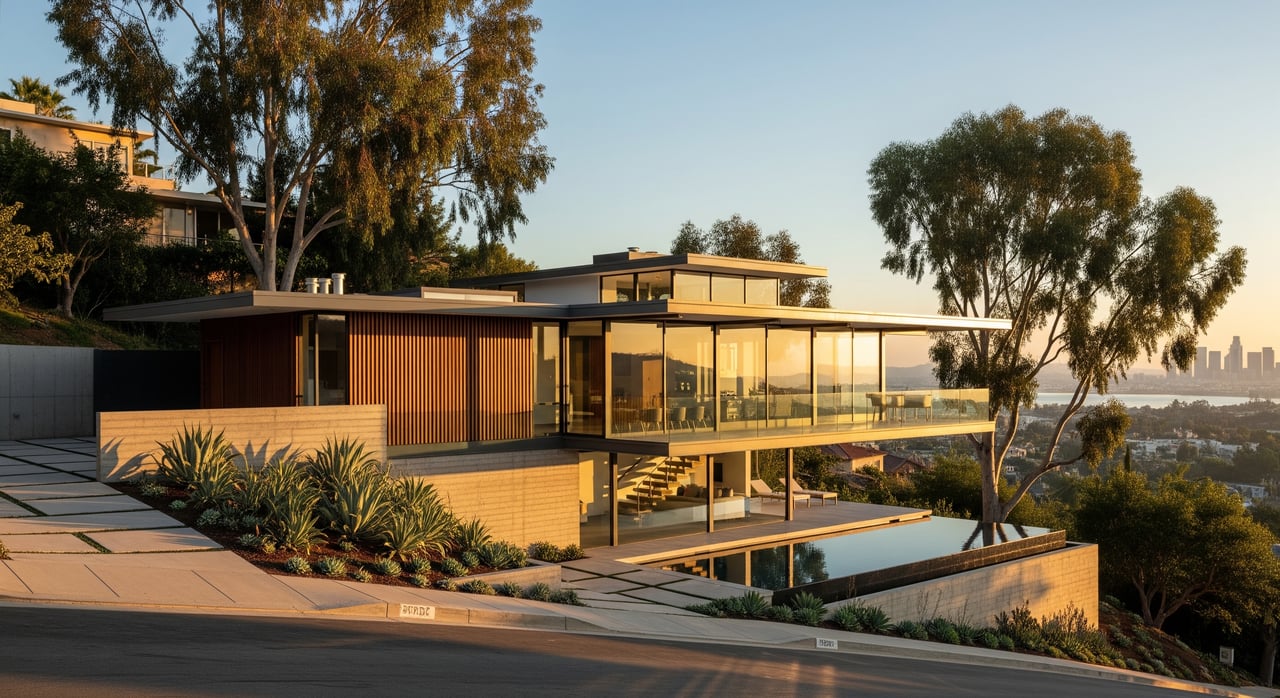
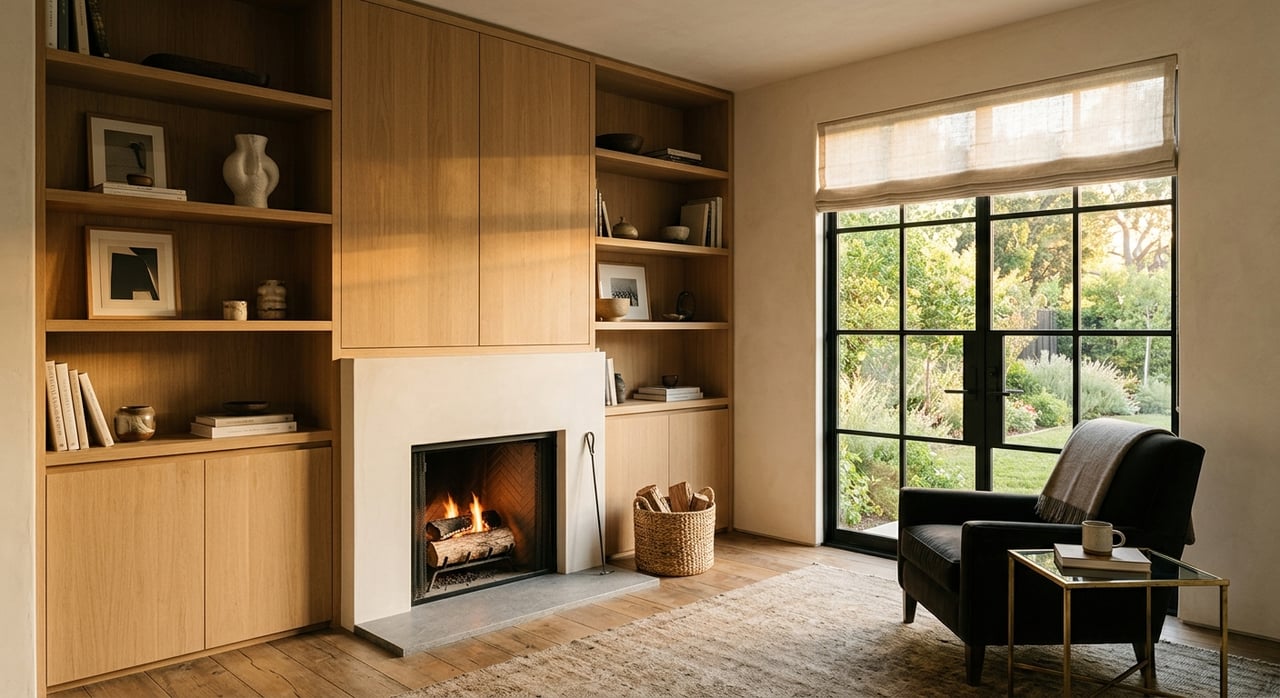
Mid‑century modern homes in Silver Lake often showcase post‑and‑beam construction, open plans, and large panes of glass that blend indoor and outdoor space. You will see low or flat rooflines, clerestory windows, and an honest material palette that may include wood, terrazzo, concrete, or travertine. Many date from the 1940s to the 1970s, and architect attribution can influence value.
Inspection priorities usually start with the roof, glazing, and systems. Flat or low‑slope roofs require careful waterproofing, and older membranes can leak. Single‑pane glass and minimal insulation may affect comfort and energy performance. Original electrical, plumbing, and HVAC can be undersized by today’s standards, and some older wiring types may need replacement. If you are considering structural changes to an open post‑and‑beam frame, bring in a structural engineer early.
Value is closely tied to authenticity. Well‑preserved original details, such as built‑ins or terrazzo, often command a premium. By contrast, generic remodels that erase character can reduce design appeal and future resale potential.
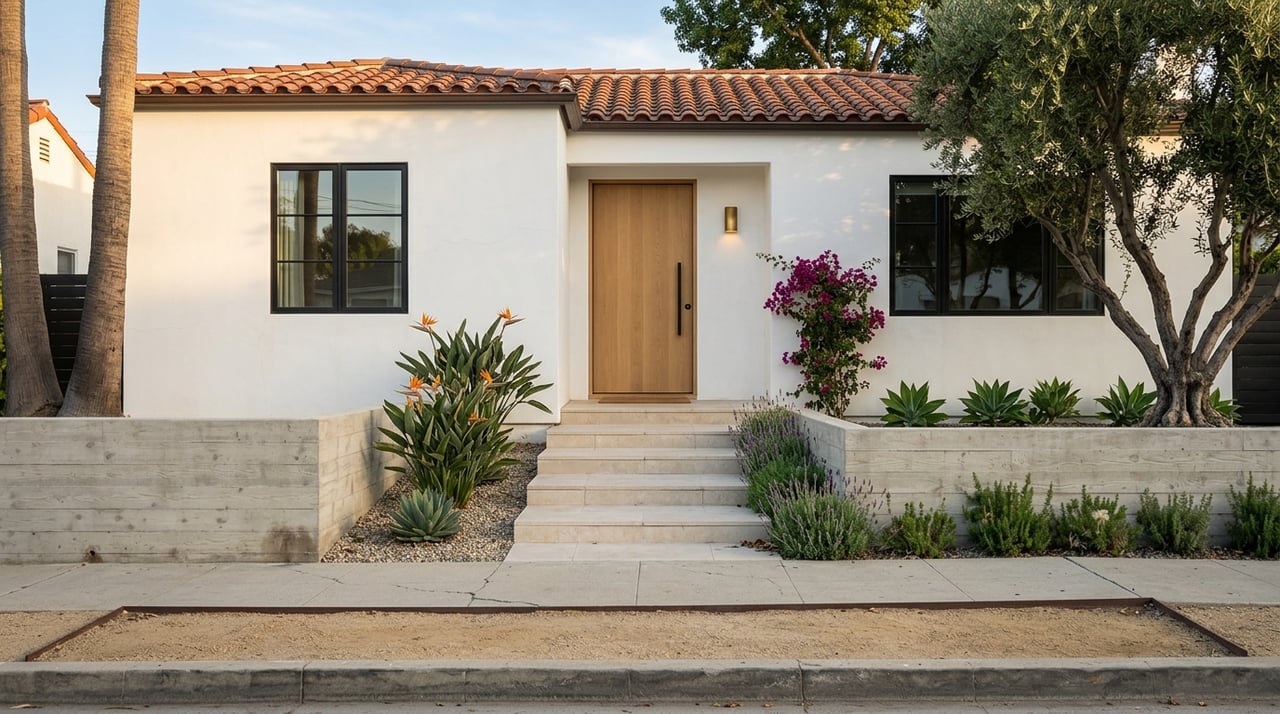
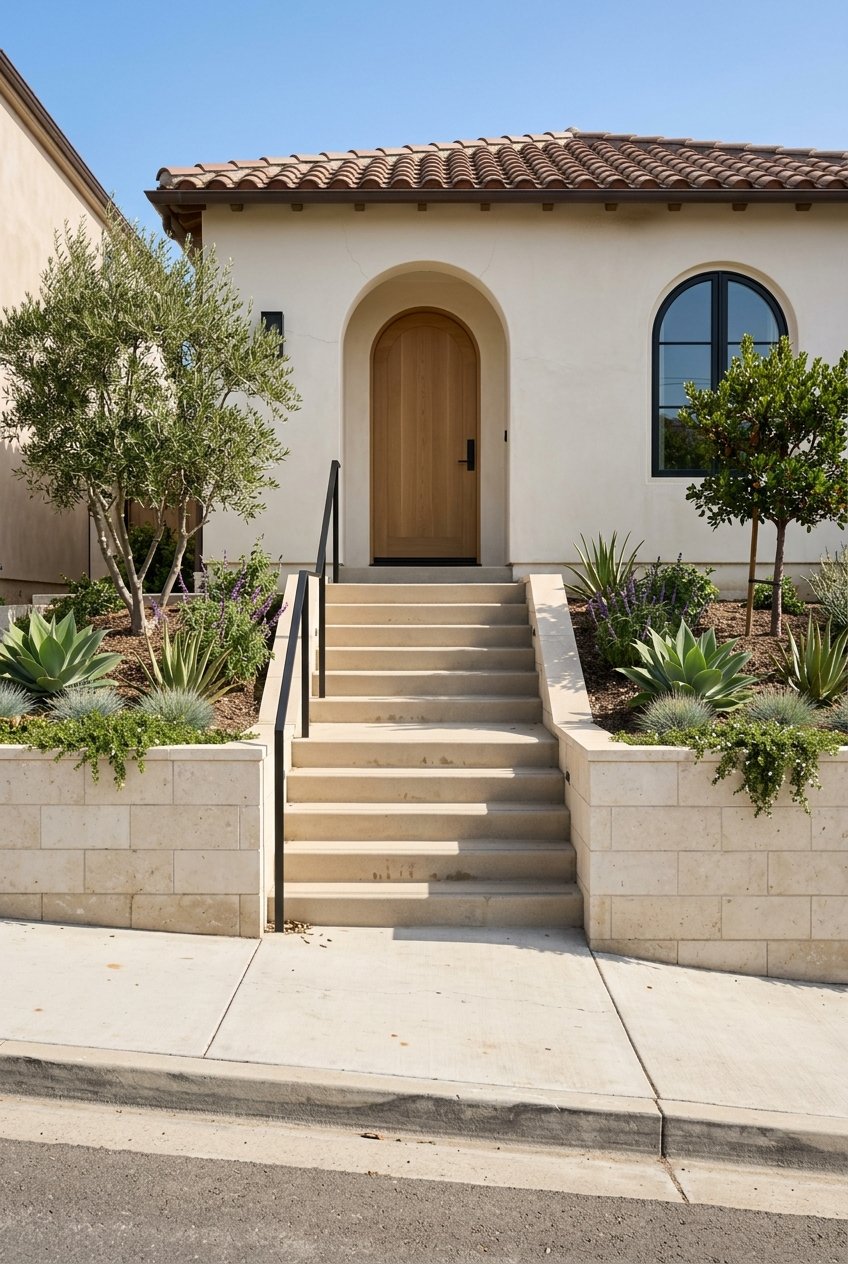
Spanish and Spanish Colonial Revival homes typically feature stucco exteriors, red clay tile roofs, arched openings, and handcrafted details like tile and wrought iron. Many were built in the 1920s to 1940s and contribute to the neighborhood’s architectural texture.
With these homes, water management and aging systems deserve attention. Tile roofs are durable, but underlayment can fail, and cracked tiles can let water in. Stucco cracks at roof and wall intersections can lead to hidden moisture issues, so a thorough inspection for rot or termite damage is key. Original galvanized plumbing and older electrical often need upgrades.
Historic charm drives value here. Intact tile, original ironwork, and quality plaster work are big draws. The best renovations pair modern function in kitchens and baths with careful preservation of scale, finishes, and curb appeal.
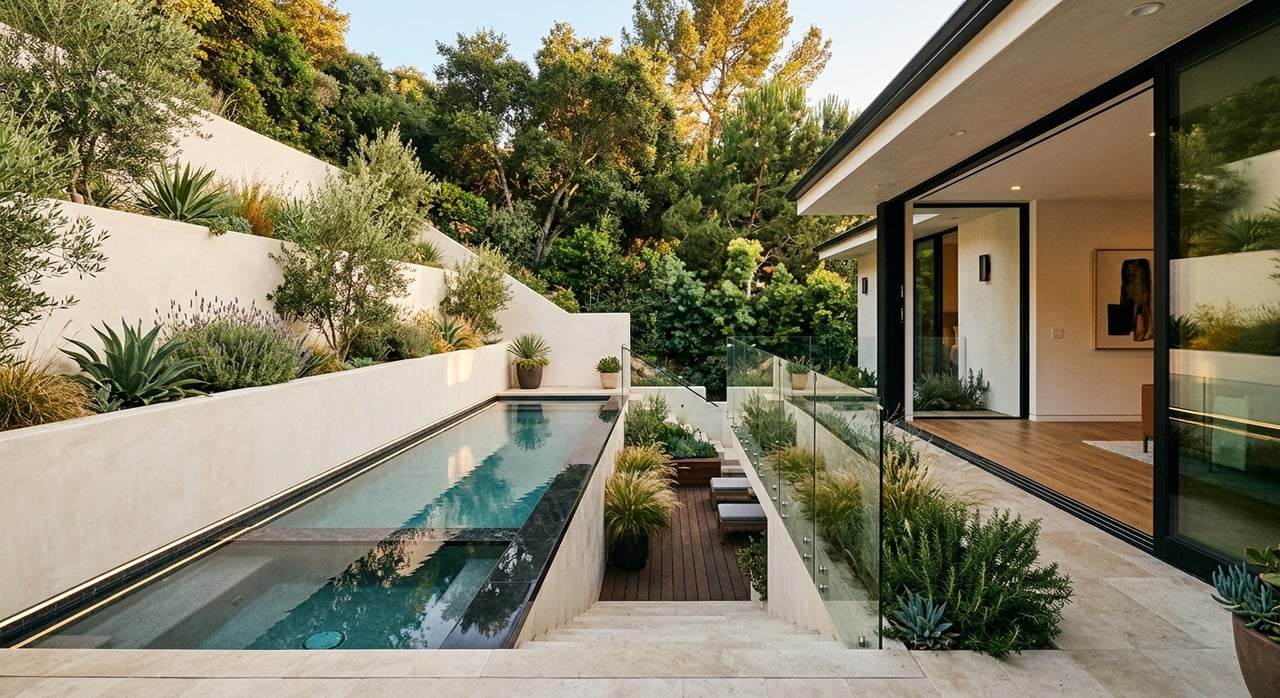
Contemporary Silver Lake homes range from full modern reimaginations of older structures to new hillside builds with engineered frames, expansive glass, and rooftop decks. Expect open plans, premium finishes, and sometimes advanced mechanical or glazing systems.
Quality of execution is crucial. Complex cantilevers, long roof spans, and deck waterproofing details demand precision. Always verify permit history for major structural changes. Ask for warranties and maintenance records on HVAC, high‑performance windows, and specialty systems. When contemporary design is paired with solid engineering and sound waterproofing, it can command top prices. If detailing is weak, future repair costs can climb quickly.
Many Silver Lake homes sit on hills or ridgelines. This setting can deliver panoramic city or reservoir views, privacy, and striking architecture. It can also add complexity to daily living and to your budget.
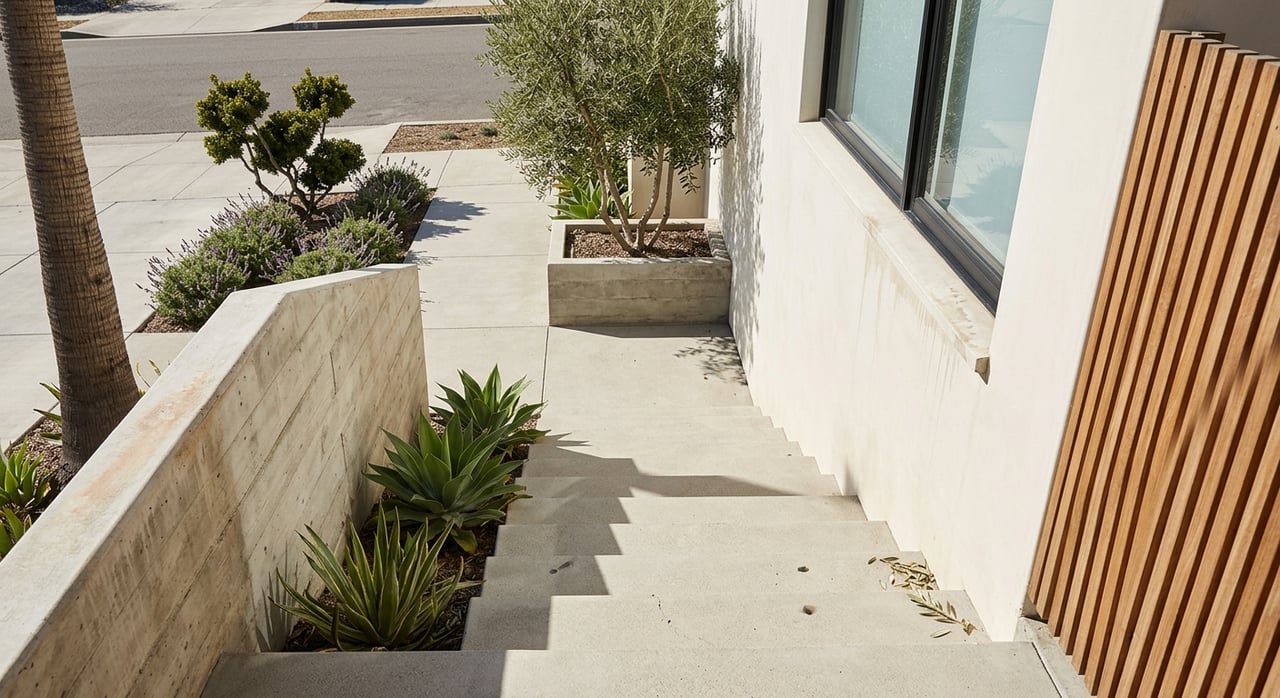
Steeper lots often mean more stairs and limited flat yard space. Foundation work, retaining walls, and engineered drainage may be part of the property’s story. Slope stability is something to evaluate with historic reports and current inspections, especially after heavy rains. Driveway access, garage placement, and street parking can affect daily convenience and future resale.
Use this quick checklist when evaluating a hillside property:
In Silver Lake, the best surprises are the views, not the inspection reports. Go in with a clear plan for diligence.
Confirm that major work was properly permitted and signed off by local building authorities. Additions, ADUs, decks, and structural changes should have final approvals. For more complex remodels or conversions, confirm the certificate of occupancy. On hillside lots, investigate easements and right‑of‑way restrictions that can affect parking, access, or future improvements.
Renovation in Silver Lake can be rewarding, especially when you balance design goals with a plan for structure and systems. Costs are influenced by hillside engineering, labor rates, and the level of finish you select.
Accessory dwelling units can add flexibility and potential income, but they require careful planning on sloped sites. Expect geotechnical and structural considerations and confirm local zoning and parking rules. Unpermitted ADUs can create legal and financing challenges, so verify final approvals before you close.
When two homes check your boxes in very different ways, use a consistent framework to evaluate risk, cost, and lifestyle fit.
Buying an architectural home in Silver Lake is as much about expertise as it is about taste. You benefit from a team that understands period details, hillside construction, and how to validate permit history. You also gain from curated access, including off‑market options, and a calm, end‑to‑end process that helps you move quickly when the right house appears.
Our team pairs design‑forward advisory with hands‑on service. We help you read inspection findings in the context of the home’s style, prioritize repairs or updates that matter most, and connect you with qualified inspectors, architects, and contractors. When the time comes to sell, we lean into presentation and targeted marketing to maximize results.
Ready to shop smarter in Silver Lake? Connect with the Longfellow + Leach Team for a design‑minded search, off‑market sourcing, and clear guidance from offer to closing.
Stay up to date on the latest real estate trends.
We're here to help you every step of the way. Reach out today with our experienced team for expert guidance and support.