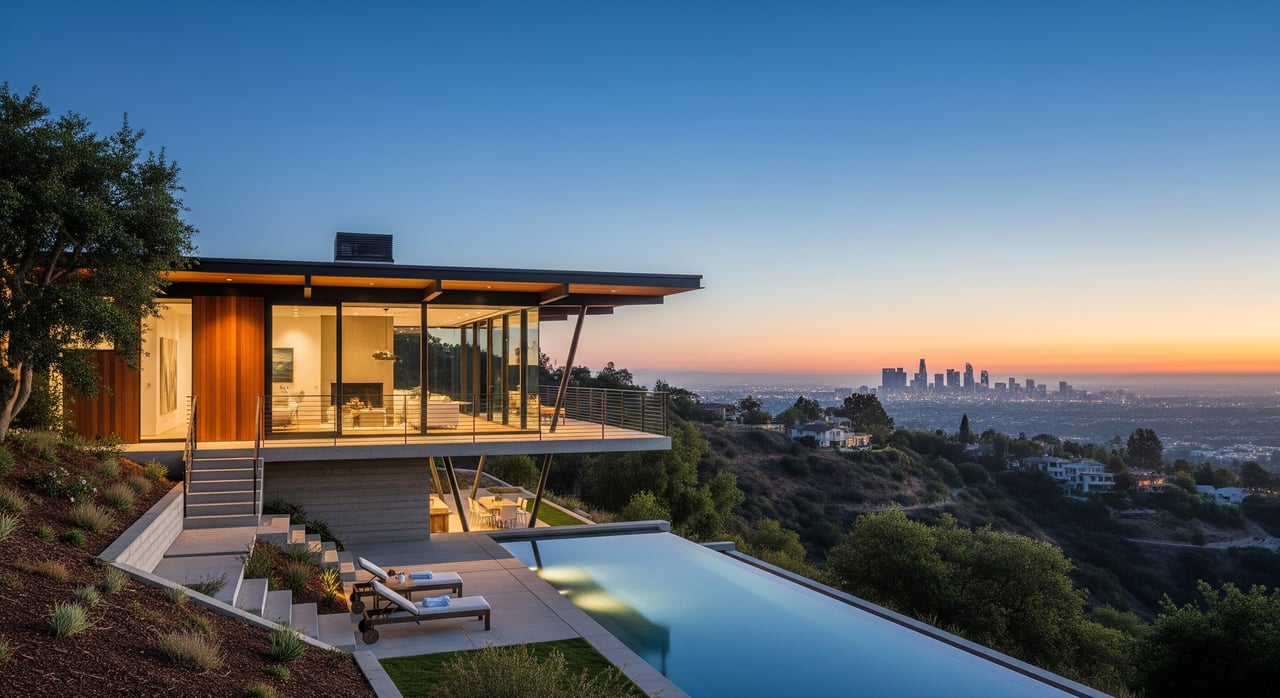
Your Hollywood Hills Hillside Ordinance Remodel Guide
Thinking about buying or remodeling a view home in the Hollywood Hills but keep hearing about the “Hillside Ordinance”? You are not alone. The City of Los Angeles uses special hillside rules to keep slopes stable, protect the landscape, and manage how big and where homes can be built. In this guide, you will learn what the Baseline Hillside Ordinance is, how it affects additions and remodels, what it means for cost and timing, and the steps that help you make a smart decision. Let’s dive in.
The Baseline Hillside Ordinance, often called the BHO, sets development standards for properties in the City’s designated Hillside Areas. It is meant to reduce landslide risk, excessive grading, erosion, and visual bulk on steep terrain. If your lot sits within a Hillside Area and the average slope meets a defined threshold, the BHO applies.
These hillside rules sit on top of your base zoning and the Los Angeles Municipal Code. You must satisfy both planning standards and Building & Safety requirements. If your lot triggers the BHO, you should expect tighter limits on building size and massing, more studies, and added steps in permitting before you can expand or renovate.
Slope and lot area are two of the biggest drivers of what is possible. A smaller or steeper lot reduces the usable building pad, limits floor area, and increases the need for structural solutions. In effect, the steeper the site, the more restrictive the envelope and the more expensive the build.
Average slope is a key metric for BHO applicability and for how rules are applied. A topographic survey and slope calculation give you the baseline numbers planning and engineering teams will use. Those figures help shape setbacks, grading allowances, and where a house can sit on the site.
Grading is carefully controlled in the Hills. Even moderate earthwork requires permits, with larger cuts and fills needing engineered plans and inspections. There are limits on slope gradients and how close earthwork can occur near property lines and public rights-of-way.
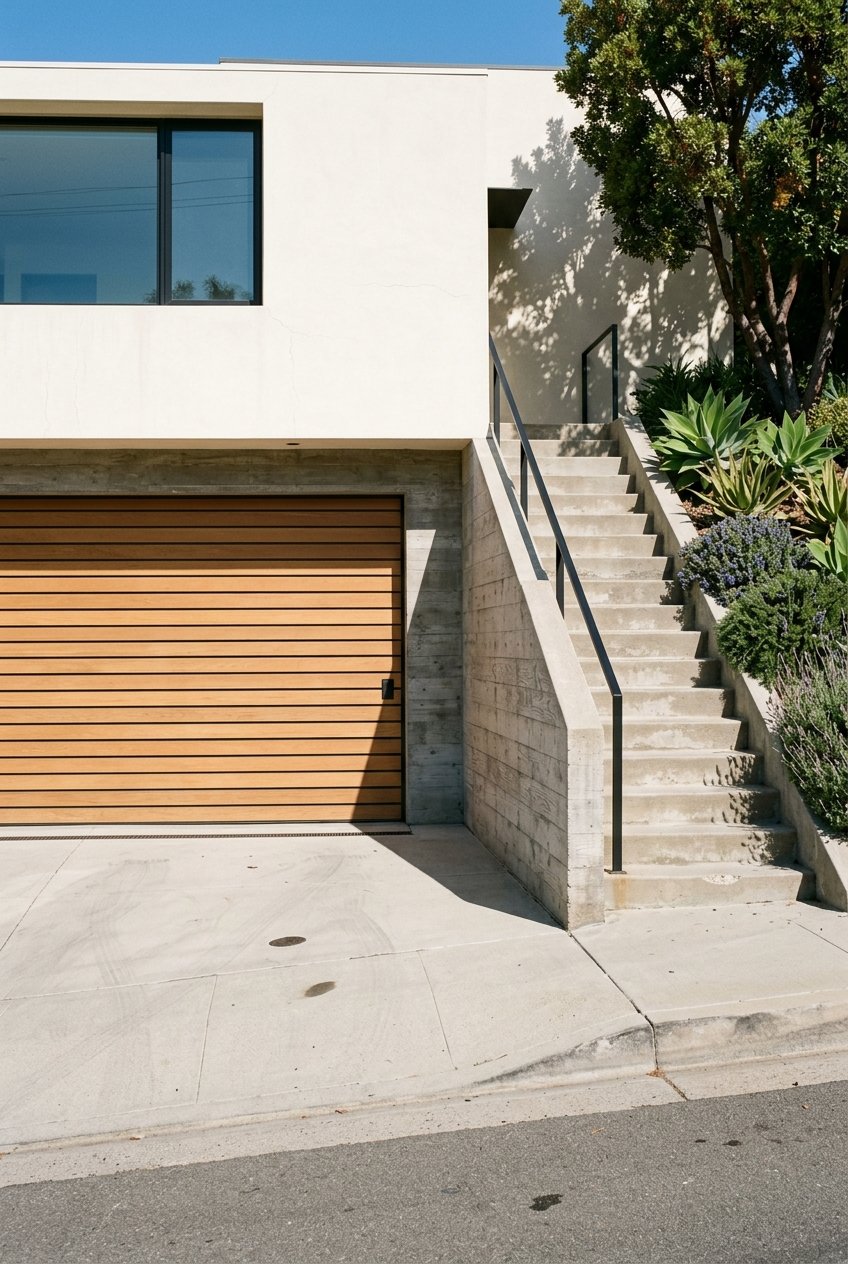
Access can be a make-or-break factor in the Hollywood Hills, where private, narrow streets are common. Driveway slope, width, and turnaround space must meet City standards and allow emergency vehicle access. If your road is legally substandard or too tight to improve, expansion can be blocked unless you secure easements or complete costly off-site work.
Hillside rules often require increased setbacks and stepped or terraced massing to reduce visual bulk. This preserves hillside character and minimizes large flat walls facing the street or canyon. On sloped lots, the method for measuring height matters, since height can be calculated from average or natural grade.
Many hillside overlays set stricter floor area limits than flat neighborhoods. Even if zoning appears to allow more, hillside caps can reduce the total habitable square footage you can add. A design that looks feasible at first pass may need redesign to fit within the allowable envelope.
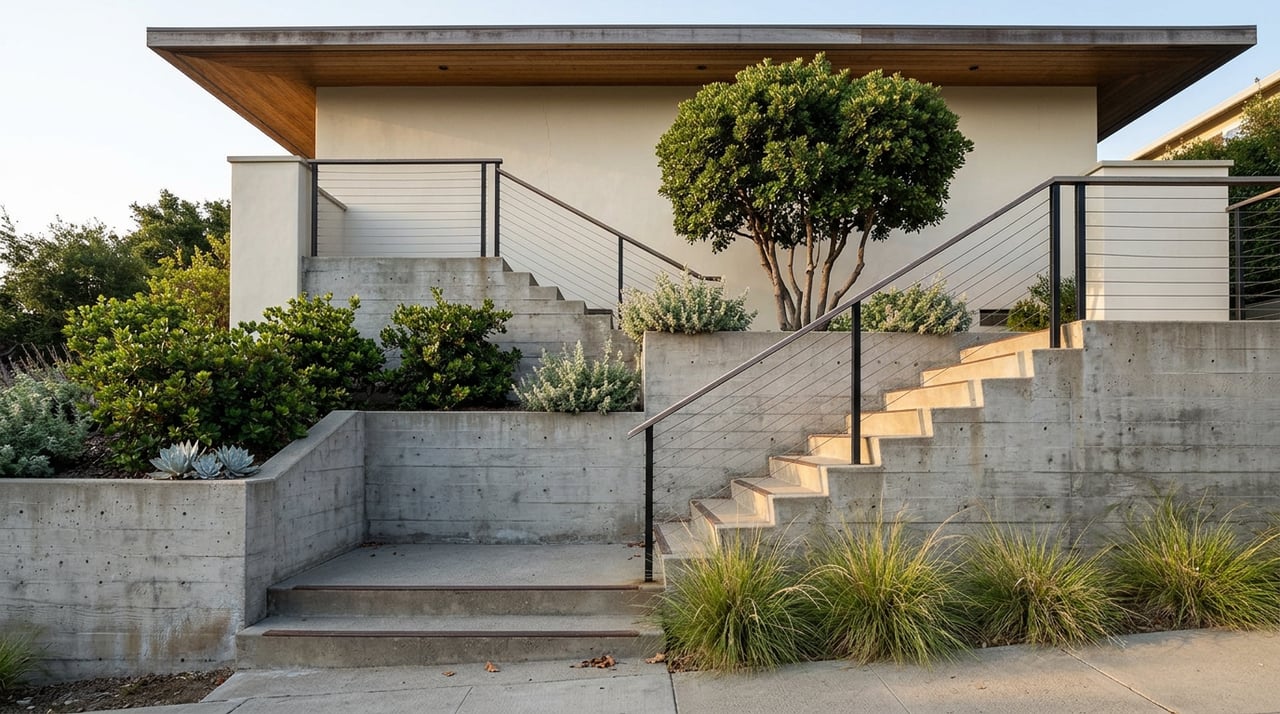
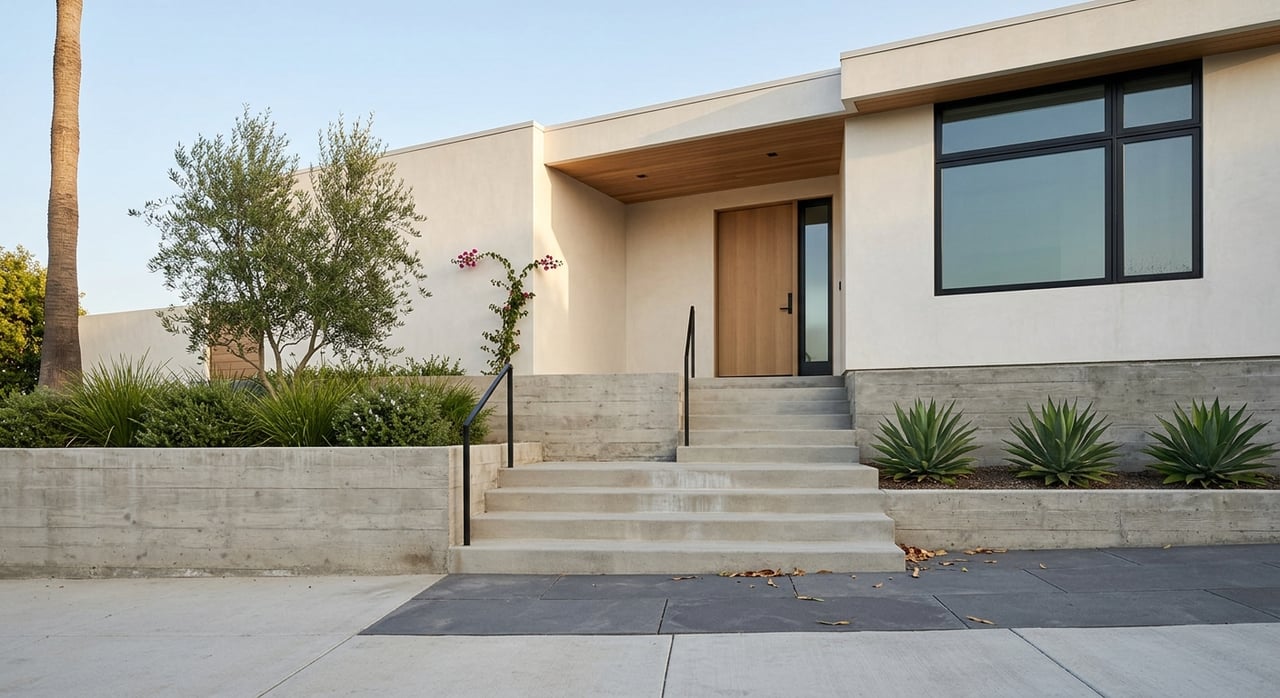
Retaining walls normally require engineered design and permits, with rules that limit height, location, and visual impact. Where large cuts and fills are proposed, you may need walls, tie-backs, and careful drainage.
Foundation systems on steeper lots often include piles, caissons, or grade beams to reach competent soils. These subsurface systems add significant cost and time. In many Hollywood Hills projects, foundation and stabilization can be the single largest construction line item.
Most hillside projects require a geotechnical and soils report by a licensed professional. The report evaluates slope stability, groundwater, foundation recommendations, and erosion control. Findings from this study can shift your plan, including setbacks from slide areas or the need for remediation.
Stormwater and drainage plans must prevent erosion and manage runoff. Best management practices are common for post-construction maintenance. If your project involves substantial grading or potential environmental impacts, additional review or mitigation may be required.
If protected trees or mature native species are present, removal generally requires permits and mitigation. This can affect how you site additions and how much you can clear for views. Landscaping for slope stabilization and visual screening often becomes a condition of approval.
Thoughtful planting choices and restoration of natural contours can help projects move more smoothly. They also reduce long-term erosion and maintenance issues.
Some hillside projects require discretionary review, public noticing, and an opportunity for appeals. In the Hollywood Hills, local Neighborhood Councils and community groups can be active participants. Designs that produce visible scarring, dominate a ridgeline, or significantly alter the streetscape are more likely to draw scrutiny.
Early, open communication and a sensitive design approach can lower risk. Incorporating stepped massing, subdued retaining walls, and careful landscaping can improve your path to yes.
Budget and schedule in the Hills tend to be different from flat-lot projects. Here is what to expect:
Before you fall in love with the view, confirm three things:
Hillside status and slope. Is the property in a designated Hillside Area and does it meet the slope trigger for the BHO? A topographic survey and slope calculation are essential.
Geotechnical feasibility. Can a preliminary soils or geologic review support a reasonable foundation approach and grading plan? Big red flags include active slide zones or deep remediation.
Access compliance. Can the existing street and driveway meet City standards without significant off-site work or new easements? Emergency access is non-negotiable.
If any of these fail, the value-add plan may not pencil.
Use this checklist to structure your research.
You can shape a design that respects the hillside and eases approvals. Consider stepped or terraced massing to reduce bulk. Keep retaining walls lower and visually integrated where possible. Protect natural contours and specify landscaping that stabilizes slopes and blends with the setting.
Views matter in the Hollywood Hills, but there is no general legal right to a private view. Still, visual impacts often drive public comment. Designs that minimize scarring and preserve the character of the hillside tend to face less resistance.
A Hollywood Hills remodel or addition can create significant value, but it requires a clear plan and a realistic budget. Expect higher-than-usual geotechnical and foundation costs, a longer entitlement timeline, and potential public review. If your early checks are favorable, a thoughtful design and a strong consultant team can unlock the potential of a great site.
If you want a quick, grounded read on feasibility or you need a curated search that filters for BHO-friendly lots, the Longfellow + Leach Team can help you align design goals, budget, and timeline.
Stay up to date on the latest real estate trends.
We're here to help you every step of the way. Reach out today with our experienced team for expert guidance and support.