Thinking about a new roof, EV charger, or a rear addition in Los Feliz? If your home sits inside the Historic Preservation Overlay Zone, the rules for visible exterior work are different. It can feel complex when all you want is a cleaner, more efficient, or more spacious home. In this guide, you’ll learn how the Los Feliz HPOZ works, what triggers review, the design moves that get approvals, and the steps and timelines to expect. Let’s dive in.
What the HPOZ is
The Los Feliz Historic Preservation Overlay Zone is a local zoning overlay used by the City of Los Angeles to protect neighborhood character. It adds a preservation plan and design guidelines on top of standard permits. If you propose exterior changes visible from the street, your project will be reviewed for compatibility with the area’s historic look.
The Office of Historic Resources and the Department of City Planning administer the program. Reviews are handled by city staff and, for larger projects, an HPOZ Board. HPOZ approval supplements the normal building permit process, not replaces it.
Confirm your property status
Before you sketch a design, confirm two things:
- Whether your address is inside the Los Feliz HPOZ boundary.
- Whether your property is categorized as contributing or non-contributing in the HPOZ survey.
Contributing properties retain more original character and face stricter rules. Non-contributing properties often have more flexibility but must still be compatible with the neighborhood. You can verify boundaries, your property’s survey status, and access the Preservation Plan through the City’s public records.
What projects need review
As a general rule, any exterior change visible from the public right of way requires review. Here is how that usually breaks down.
Common projects that need at least staff review
- Additions that change rooflines, massing, or a street-facing footprint.
- New construction or replacement buildings.
- Changes to facade materials, windows, or street-facing doors.
- Roofing material changes when the roof is visible or character defining, such as clay tile.
- Removal or alteration of character-defining features like porches or decorative trim.
- New or altered fences, low retaining walls, driveways, and front yard hardscape.
- Visible mechanical equipment, solar panels, satellite dishes, and exterior lighting.
- Garage additions, conversions, or driveway relocations.
Work often eligible for administrative review
- In-kind repairs that match existing materials and profiles.
- Re-roofing with the same material and profile if the roof is not a character-defining feature.
- Non-visible mechanical upgrades that do not alter the exterior.
- Minor window or door repairs that retain the original sash.
Projects that often go to the HPOZ Board
- Major additions visible from the street.
- New second stories.
- Demolition of contributing buildings or significant changes to massing and the front elevation.
Modern features and special cases
- Solar panels are typically supported when placed to minimize visibility. Rear roof planes, flat roofs, or low-profile, flush-mounted arrays set back from front edges are common solutions.
- Accessibility and seismic upgrades are encouraged but must be designed to protect character-defining features.
Design principles that win approvals
HPOZ design guidelines reflect the Secretary of the Interior’s Standards. You will do well if you follow these principles.
- Retain and repair historic materials and features when feasible.
- Make new work compatible with scale, rooflines, materials, and details, while still being subtly distinguishable on close inspection.
- Favor changes that can be reversed in the future.
Los Feliz priorities
- Roofs and rooflines: keep original shape, pitch, and eaves. Use in-kind or visually compatible materials on visible roofs.
- Windows and doors: repair original wood when possible. If replacement is needed, match profiles, muntin patterns, and material appearance. Vinyl on street-front elevations of contributing homes is typically discouraged.
- Porches and entries: preserve original porches and entry elements. Additions should be subordinate and set back.
- Materials and finishes: maintain historic stucco, wood siding, trim, and masonry. Choose colors that respect historic character if palettes are referenced.
- Scale and rhythm: keep front openings and garage doors in proportion with the original fenestration.
- Landscape and hardscape: front yards, low walls, and driveways contribute to character and are reviewed for material, color, and form.
Examples of compliant upgrades
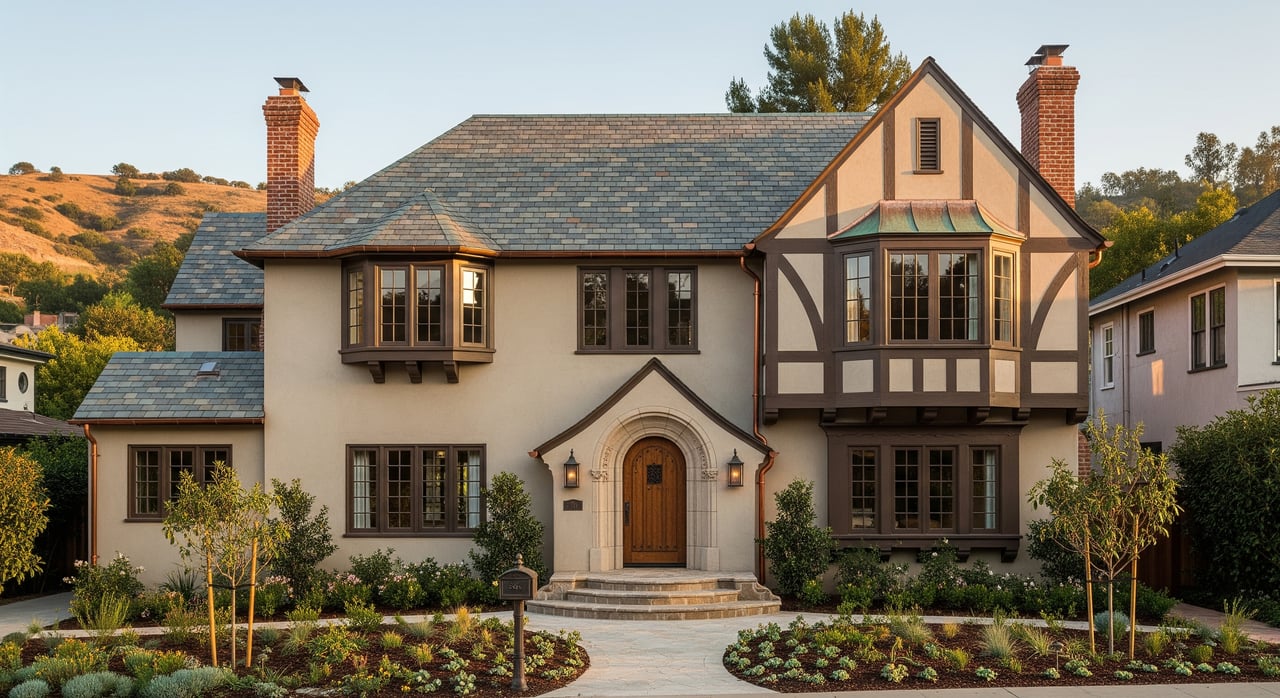
- A rear addition set back from the main facade, below the primary ridgeline, with matching stucco and roof material so the front reads as the original house.
- Window restoration that retains historic sashes and adds weatherstripping. If replacement is necessary, use wood or wood-clad units that match the original pane pattern.
- A garage door in a style and proportion that fits the home, while keeping the original opening.
- Solar panels placed on a rear roof plane or flat roof not visible from the street, or mounted low and flush with careful setbacks.
- Porch rehabilitation that uses matching trim, columns, and rails instead of oversized modern elements.
How the approval process works
Early planning saves weeks. Here is the typical path from concept to permits.
Step-by-step overview
- Pre-application consult: Meet with the HPOZ planner or staff to review your concept, confirm your property status, and identify the likely review path.
- Prepare your submittal: Provide existing photos, a site plan, elevations, material samples or spec sheets, and a narrative that explains how your design meets the guidelines. Include any plans required for building permits.
- Submit for HPOZ review: Staff decides whether your project is a minor alteration suitable for administrative approval or needs Board review and a public hearing.
- Staff determination or Board hearing: Administrative reviews typically end with conditions of approval. Board hearings can result in approval, approval with conditions, or denial, and sometimes design revisions.
- Building permits: Submit to the Department of Building and Safety. Final permits are issued after HPOZ approval for exterior work.
Typical timelines to expect
- Staff-level approvals: a few weeks to a couple of months, depending on scope and workload.
- Board review: about 6 to 12 weeks from submittal to decision for many projects. Complex proposals take longer.
- Full approvals before construction: plan on 3 to 9 months or more for substantial projects, including time for design revisions.
Costs, consultants, and incentives
- Application fees: HPOZ review carries fees that are separate from building permits. Amounts vary by project and the city’s current fee schedule.
- Professional help: Architects, preservation consultants, and contractors with HPOZ experience can reduce delays by preparing compliant designs and clear submittals.
- Incentives: If your property qualifies as a designated historic resource, the Mills Act may offer property tax relief. The city or neighborhood groups may also offer grants or technical help from time to time.
Smart planning tips
- Start with repair: Preserve original materials where feasible. Repair is preferred over replacement.
- Keep additions subordinate: Set them back, keep heights below the main ridgeline, and use compatible materials.
- Respect street-facing elevations: Use historically appropriate materials and profiles on the front and other visible sides.
- Make modern upgrades discrete: Place solar, conduits, and equipment where they are least visible and explain how you will screen or integrate them.
- Write to the guidelines: Include a short narrative that cites relevant guideline sections to show compatibility.
- Talk to neighbors early: Sharing your plan can reduce concerns at hearings.
Quick pre-project checklist
- Confirm HPOZ boundaries and your property’s contributing status.
- Read the Los Feliz HPOZ Preservation Plan and Guidelines for your scope of work.
- Book a pre-application meeting with HPOZ staff.
- Hire a design professional familiar with HPOZ projects for anything beyond routine maintenance.
- Assemble drawings, photos, and a materials list, including samples.
- Build timeline and budget contingencies for review cycles and revisions.
For buyers: plan renovations during escrow
If you are buying in Los Feliz, factor HPOZ into your due diligence. Confirm whether the home is contributing or non-contributing, then outline realistic upgrades that match the guidelines. A quick pre-application consult on your concept can clarify feasibility and timeline before you remove contingencies. This helps you budget accurately and set expectations for move-in or construction.
Ready for a plan tailored to your home?
You do not have to navigate HPOZ planning alone. The Longfellow + Leach Team pairs design-minded guidance with deep Los Feliz expertise and can help you shape a compliant renovation strategy, coordinate pre-sale improvements, and connect you with trusted HPOZ-savvy pros. If you are buying, we will help you assess scope, timeline, and value before you commit. If you are selling, we will use Compass Concierge and thoughtful presentation to elevate your result. Connect with the Longfellow + Leach Team to get started.
FAQs
Do I need HPOZ approval to repaint in Los Feliz?
- Many repaints proceed without full review, but rules vary by property status and whether colors affect character-defining features. Check the Preservation Plan before you choose colors.
Can I install vinyl windows on a Los Feliz HPOZ home?
- Vinyl on street-facing elevations of contributing homes is typically discouraged. Repair originals when possible or use replacements that match historic profiles and material appearance.
How does the Los Feliz HPOZ handle solar panels?
- Solar is generally supported when you minimize street visibility, such as on rear roof planes or flat roofs, with low-profile, flush-mounted arrays set back from edges.
What should I expect for a second-story addition in Los Feliz?
- New second stories and major massing changes often require Board review and a public hearing. Designs must be subordinate and compatible with the original structure and streetscape.
Does non-contributing status change the rules in Los Feliz?
- Yes, non-contributing properties often have more flexibility, but exterior work still must be compatible with the neighborhood per the guidelines.
How long does Los Feliz HPOZ approval usually take?
- Staff approvals can take a few weeks to a couple of months. Board reviews often run 6 to 12 weeks from submittal, and complex projects can extend total approvals to several months.
Can I demolish a building in the Los Feliz HPOZ?
- Demolition of contributing resources is carefully reviewed and often denied unless extraordinary circumstances exist. Expect a high bar and a thorough public process.