Los Feliz Spanish vs Mid-Century Homes: Style Guide
Torn between a sun-soaked Spanish and a glassy Mid-Century in Los Feliz? You’re not alone. In this neighborhood, style is a real market driver, and each era delivers a distinct way of living. You want the look you love, but you also need to understand floor plans, light, and what it really takes to renovate. In this guide, you’ll learn how to spot the key differences, plan upgrades that respect each style, and navigate local rules with confidence. Let’s dive in.
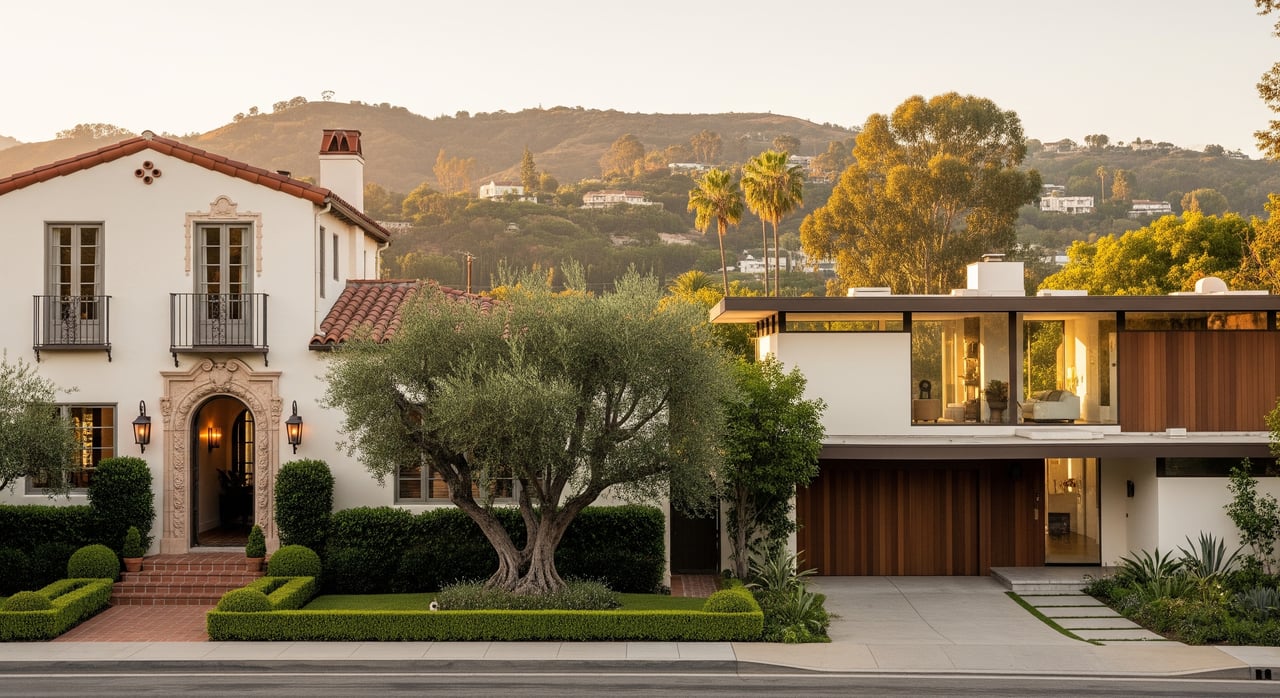
Los Feliz blends early 20th-century Spanish Colonial Revival homes with postwar Mid-Century houses, sometimes on the very same street. Local resources like the Los Angeles Conservancy note that Spanish Revival and Mediterranean-influenced houses arrived in the 1910s to 1930s, while hillside moderns, ranches, and post-and-beam designs followed in the 1940s through the 1960s. That mix creates a micro-market where architecture and lifestyle go hand in hand.
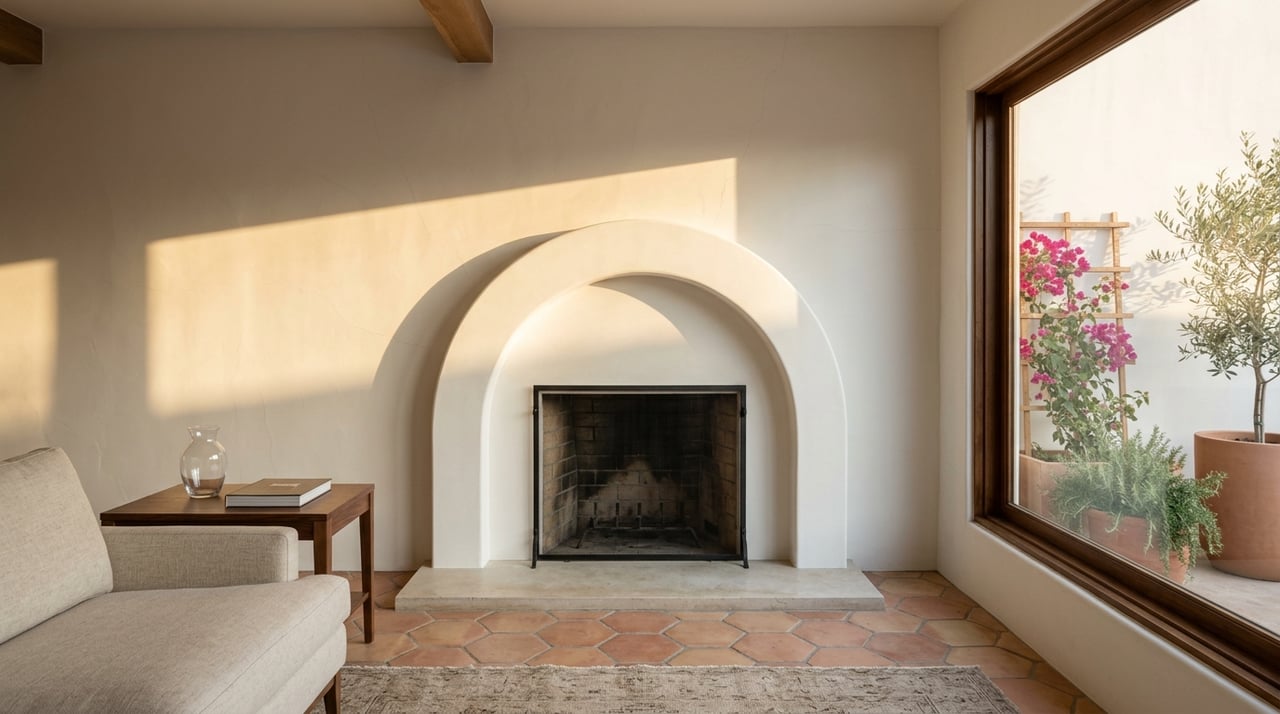
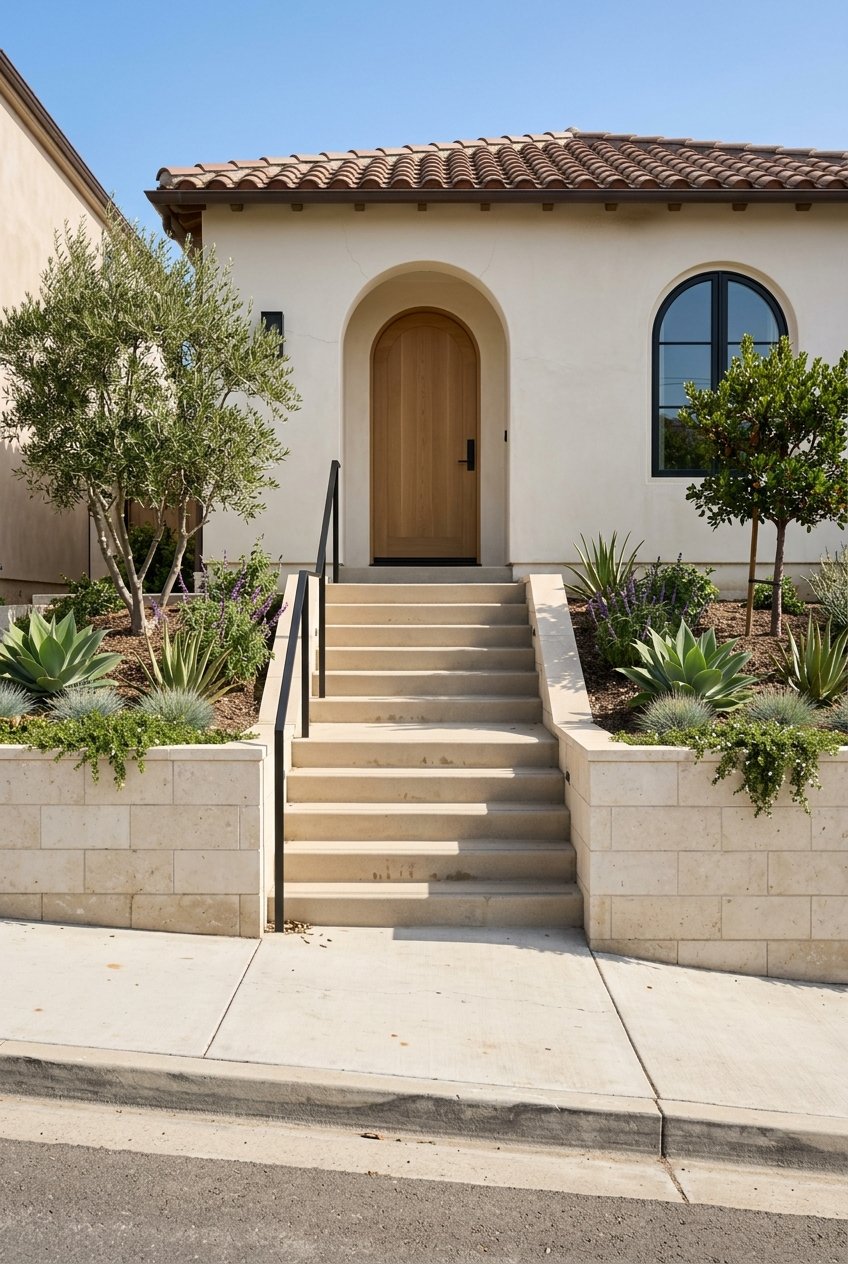
Spanish Revival homes in Los Feliz often feature asymmetrical stucco façades, red clay mission tile roofs, arched openings, and wrought-iron details. Interiors tend to be more compartmentalized: formal entry, separate living and dining rooms, plaster walls, and sometimes beamed ceilings. You may find intimate courtyards or patios that pull daylight into the plan. Character-defining elements include stucco finishes, clay roof tile, decorative ceramic tile, carved wood, and ironwork.
Common care points include stucco repair, clay tile maintenance, and addressing outdated systems like older plumbing and electrical. Windows were historically smaller, which shapes a softer light quality. Renovations often focus on kitchens and baths while preserving plaster, wood doors, tile accents, and iron details.
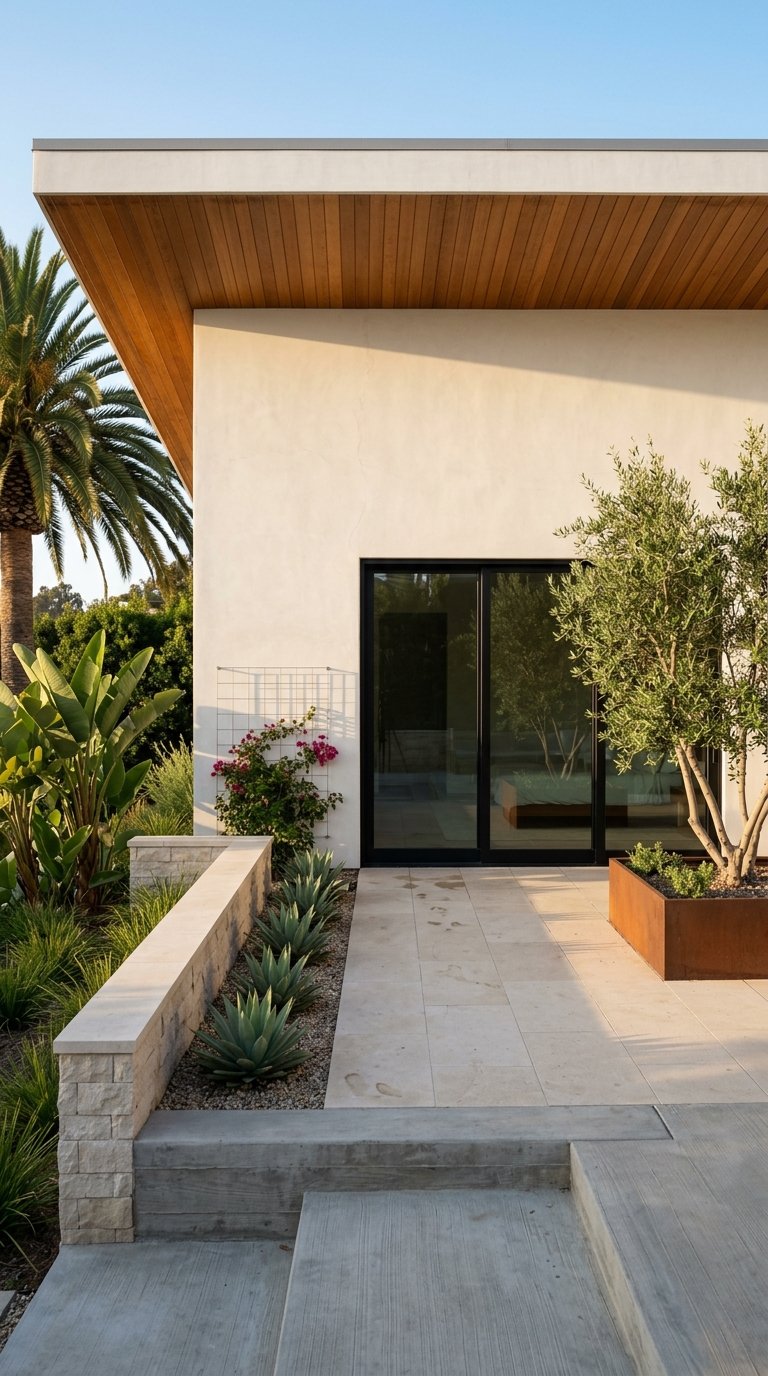
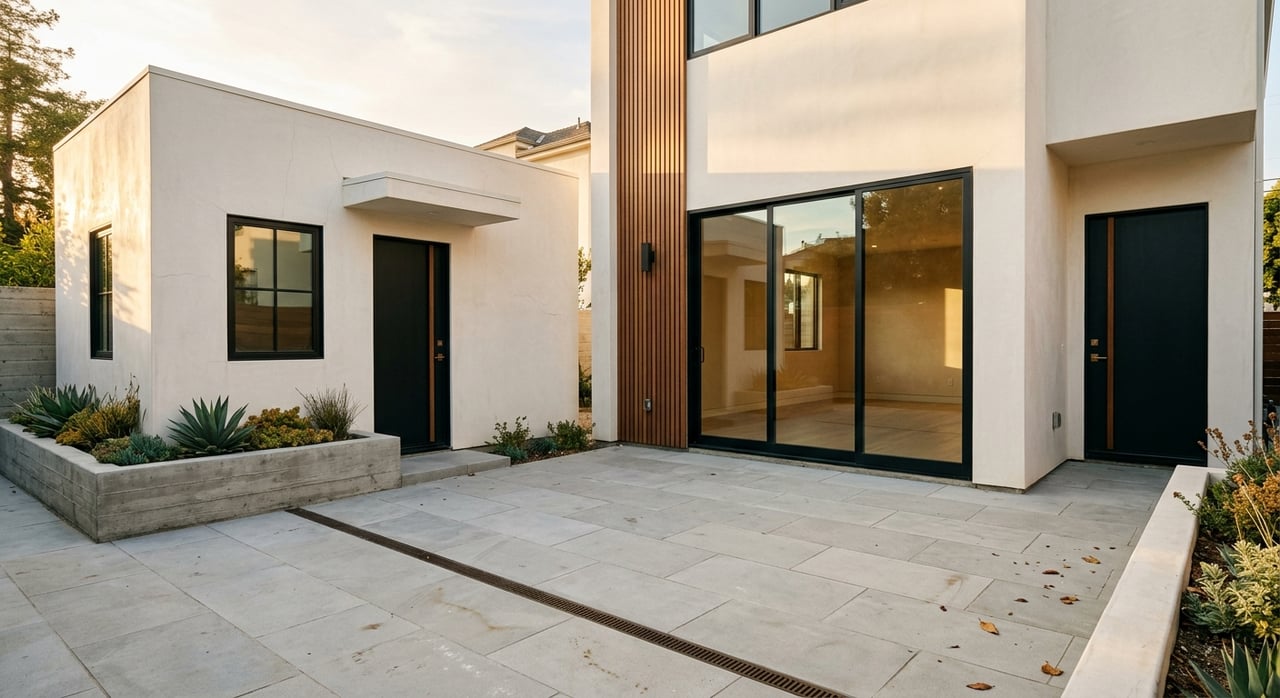
Mid-Century homes lean into horizontal lines, broad overhangs, and exposed structure. Expect picture windows and sliding glass that frame views and connect to patios and decks. Plans are typically open, with living, dining, and kitchen areas flowing together and built-ins that define storage. Materials often include large glass panels, wood or plywood paneling, terrazzo or hardwood floors, and minimal trim.
Preservation priorities usually include maintaining glazing proportions, clerestories, exposed beams, and original finishes. Typical issues include aging single-pane glass, water intrusion at low-slope or flat roofs, and wear on wood elements. Energy upgrades often center on better glazing and roof membranes that respect the original lines.
If you want defined rooms and a sense of sequence from public to private areas, Spanish interiors fit well. They create clear zones for entertaining and retreat, often linked by an entry hall or corridor. If you prefer sightlines and social flow, especially with the kitchen as a hub, an open-plan Mid-Century layout may serve you better. Post-and-beam structures also tend to allow easier reconfigurations without major load-bearing walls.
Spanish homes filter light through smaller openings and often use courtyards or patios to brighten the core. The result is a calm, controlled ambiance. Mid-Century homes maximize daylight and views, especially on hillsides with southern exposures. Expect brighter, more direct light through expansive glass.
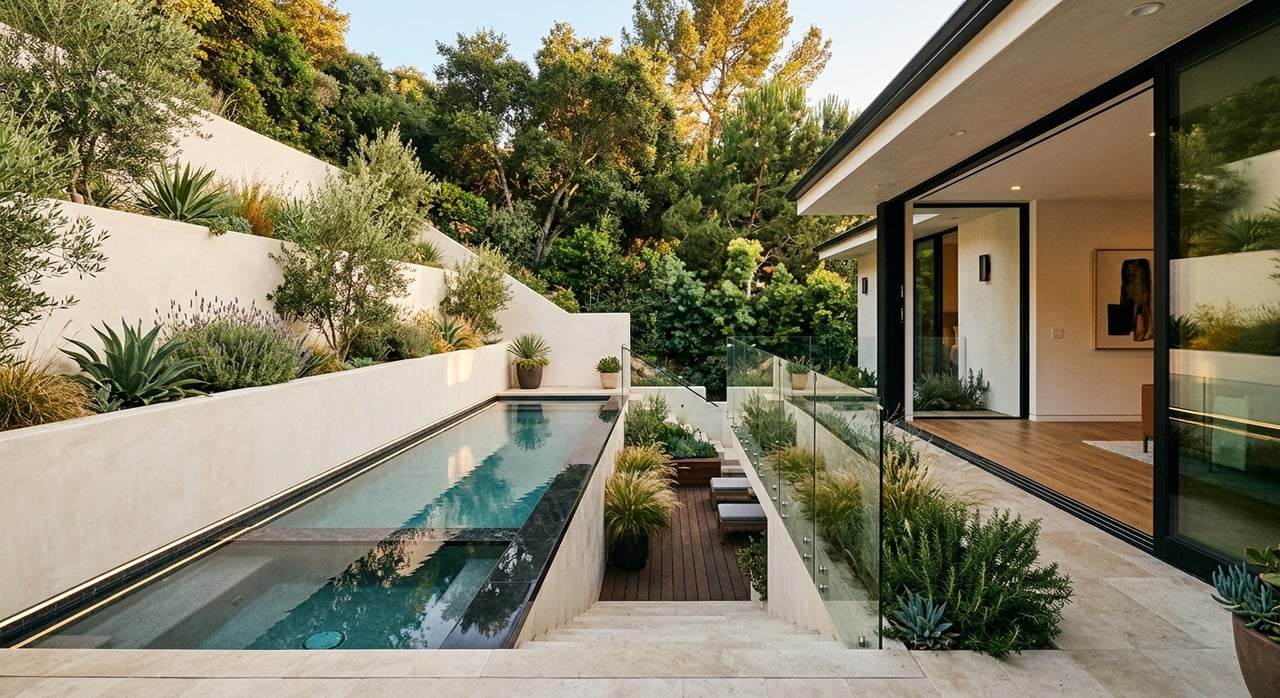
Many Spanish homes sit on level or gently sloping lots with walled gardens and patios. Mid-Century houses in Los Feliz often occupy hillside parcels, sometimes with split levels or decks that extend living space toward the view. Hillside construction brings structural complexity, which matters when you plan additions, decks, or landscape work.
Parts of Los Feliz fall under Historic Preservation Overlay Zones. If a property is within an HPOZ, exterior changes to character-defining features like windows, roofs, and additions typically require review and approval. Regardless of location, most structural work and systems upgrades need permits through the Los Angeles Department of Building and Safety. Local zoning sets setbacks, floor area, and lot coverage, and updated ADU rules may influence options for additions.
Older Los Angeles homes often benefit from seismic strengthening such as foundation bolting, cripple-wall bracing, and chimney anchoring. On hillsides, slope stability, retaining walls, and drainage are essential and can shape your budget. A licensed structural engineer can help define a retrofit scope that balances safety with preservation goals.
Spanish clay tile roofs may require underlayment replacement, roof deck repair, and careful flashing while keeping the visible tile layer consistent. Mid-Century low-slope or flat roofs need vigilant waterproofing and modern membranes that protect without altering the eave depth or fascia lines. In both styles, manage drainage and grading early to prevent moisture problems.
Pre-1960s homes can carry outdated wiring and undersized electrical service. Kitchen and bath remodels often trigger panel upgrades and new circuits. Plan for plumbing updates and efficient HVAC. These behind-the-walls investments often come before cosmetic improvements and can impact your project sequencing.
Protect the hallmarks of the style: stucco texture and tone, mission tile roofing, hand-painted tile at stairs and entries, wood doors, plaster ceilings, and wrought iron. When you must replace materials, use mixes and finishes that match existing textures, source reclaimed or custom clay tiles where possible, and replicate tile glazes or patterns at focal points.
Honor glazing proportions and clerestory compositions. Use thin-profile frames with high-performance glass to improve comfort while keeping sightlines. Repair or replicate paneling and trim, preserve exposed beams, and refinish terrazzo or original hardwood floors. When replacing roof membranes, maintain the original overhang and fascia profiles.
For Spanish homes, consider skylights on non-visible roof planes, restored or added courtyards, light wells, or historically sympathetic glass-block moments to introduce soft daylight. Work with reflective interior finishes and diffused glazing to increase brightness while maintaining privacy.
For Mid-Century homes, maintain glazed walls and add efficient glass that limits heat gain. Clerestory windows can boost natural ventilation. Exterior shading, slender fins, or planted trellises preserve the clean lines while managing sun. Choose low-E coatings that avoid a heavy tint.
Start with attic or ceiling insulation to meet energy targets with minimal disruption. Add wall insulation only when you are already opening walls, so you do not damage original stucco or paneling. Ductless mini-splits or compact high-efficiency systems reduce invasive ductwork. Replace single-pane glass selectively on sun-exposed elevations first and choose glazing that respects original profiles. Plan electrical and plumbing upgrades around future kitchen or bath improvements to avoid rework.
Mid-Century homes shine for larger gatherings with open plans and sliding doors that extend living space outside. Spanish Revival homes support entertaining through formal living and dining rooms and intimate courtyards that encourage conversation at a comfortable scale.
Spanish character elements like stucco, tile, and handcrafted ironwork deserve periodic specialist care. Mid-Century homes often carry higher demands for glazing maintenance and roof membrane upgrades. Both styles reward proactive inspections and targeted repairs.
Design-minded Los Angeles buyers value authenticity paired with modern comfort. Thoughtful, period-appropriate upgrades often command premiums. In a style-sensitive market like Los Feliz, preserving original features while elevating function can help your home stand out when you are ready to sell.
Begin with a general inspection, then add focused reports for structure, roofing, and termites or dry rot. Confirm whether the property is in an HPOZ and map out permit requirements early. This upfront clarity guides realistic scope, timeline, and budget.
Prioritize water management, structural and seismic items, and essential systems. Tackle kitchens, baths, and finishes after core work is complete. Preserve irreplaceable elements first, and favor reversible interventions when you add comfort features like insulation or new HVAC lines.
Whether you are leaning Spanish or Mid-Century, you deserve a guide who understands both the aesthetics and the practical path to a great outcome. Longfellow + Leach pairs design-led preparation with hyperlocal search, including curated off-market opportunities and Compass Concierge for strategic pre-sale or pre-move improvements. If you are weighing two styles or planning a renovation, we will help you see each home’s potential and pitfalls before you commit.
Get a Complimentary Valuation & Design Plan from Longfellow + Leach to move forward with clarity and confidence.
Stay up to date on the latest real estate trends.
We're here to help you every step of the way. Reach out today with our experienced team for expert guidance and support.