Wildfire season is part of life in the Los Angeles hills, and Eagle Rock is no exception. If you live on or near a slope, you already know how fast wind and weather can change. The good news is you have real control over your home’s risk. By creating defensible space and hardening your house against embers, you can reduce ignition sources, improve insurability, and feel more prepared. This guide gives you clear, practical steps tailored to Eagle Rock’s hillside terrain so you can prioritize what matters most. Let’s dive in.
Why defensible space matters in Eagle Rock
Parts of Eagle Rock sit in the wildland‑urban interface and Very High Fire Hazard Severity Zones. On steep terrain, fire can move faster and burn hotter, especially uphill. That is why spacing, pruning, and noncombustible areas near your home are so important. Coordinating with neighbors helps too. When multiple parcels reduce fuel together, there are fewer gaps for fire to exploit.
Know the rules and who enforces them
Several agencies shape guidance and enforcement in Los Angeles:
- CAL FIRE publishes defensible space best practices and statewide Fire Hazard Severity maps. Use these for a high‑level view of risk.
- The City of Los Angeles Fire Department enforces brush clearance programs and can issue citations for hazardous vegetation inside city limits.
- The Los Angeles Department of Building and Safety oversees permits for work like roofing, structural changes, and certain tree removals.
- The California Department of Insurance provides information on how mitigation affects homeowner insurance in wildfire‑prone areas.
California Public Resources Code 4291 is the commonly referenced standard for up to 100 feet of defensible space where applicable, though local regulations may differ. Treat it as a practical framework and confirm local requirements for your address.
Defensible space zones made simple
Think in zones around your home. This helps you tackle the right tasks in the right places.
Immediate zone: 0–5 feet
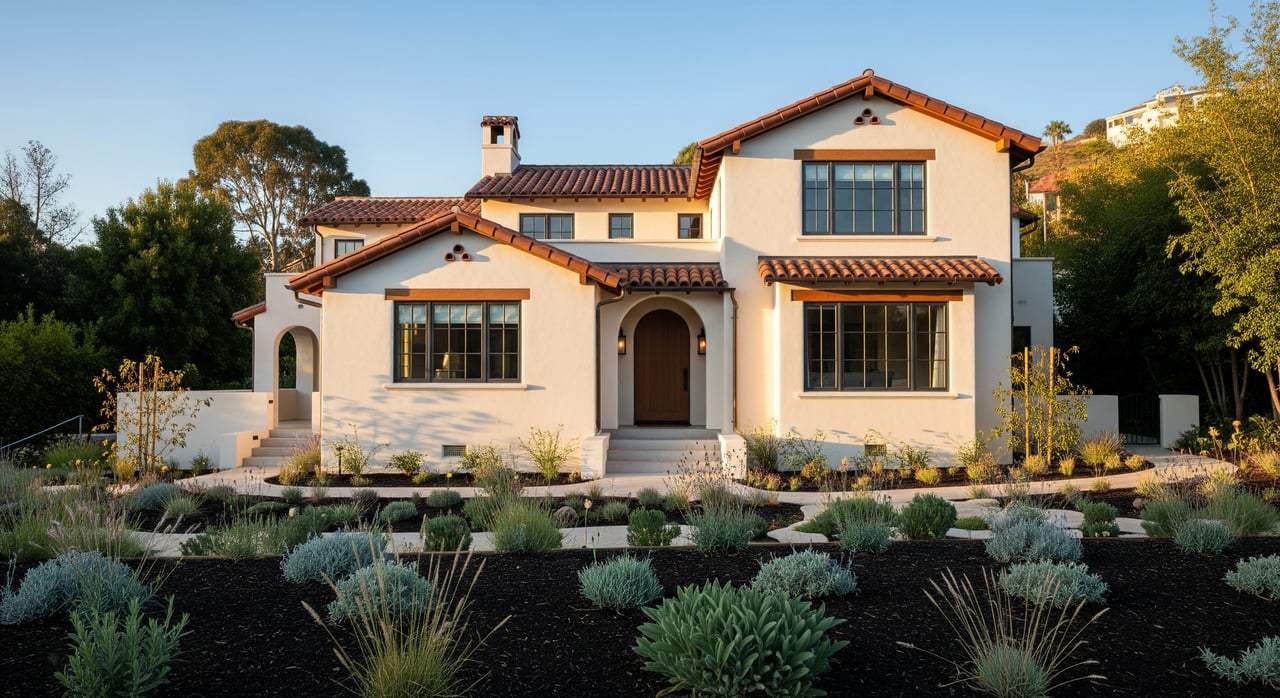
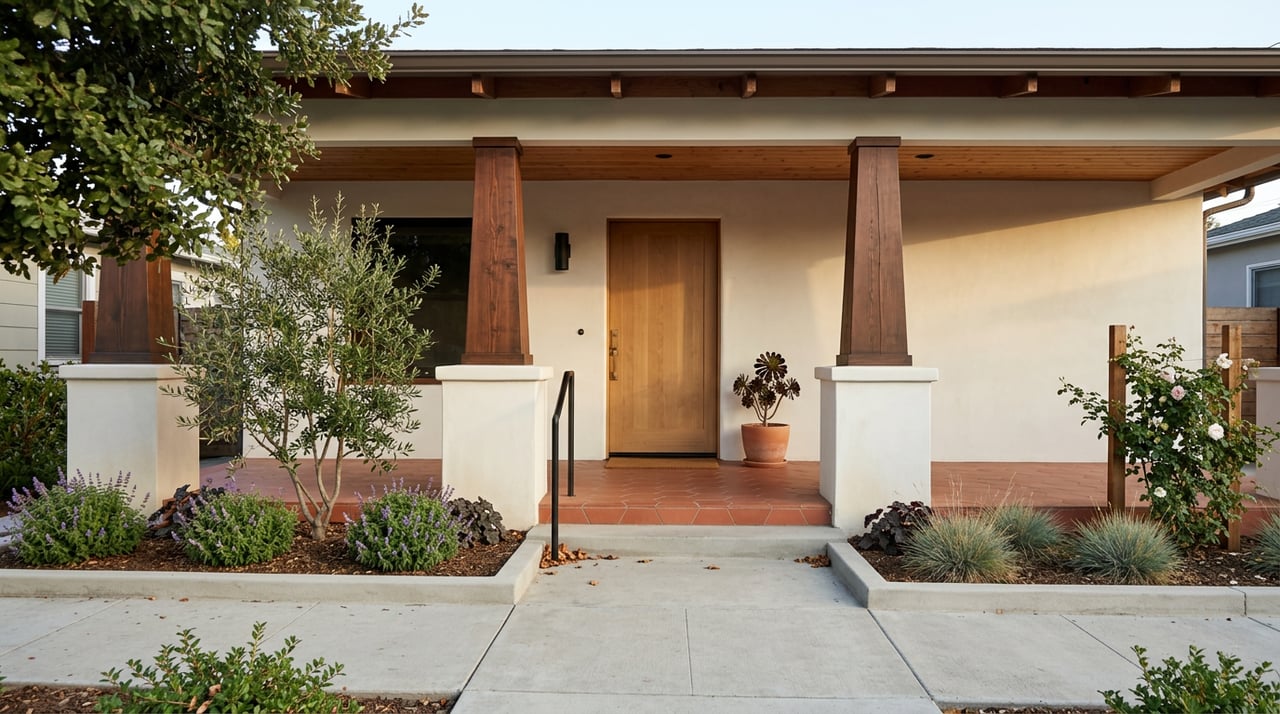
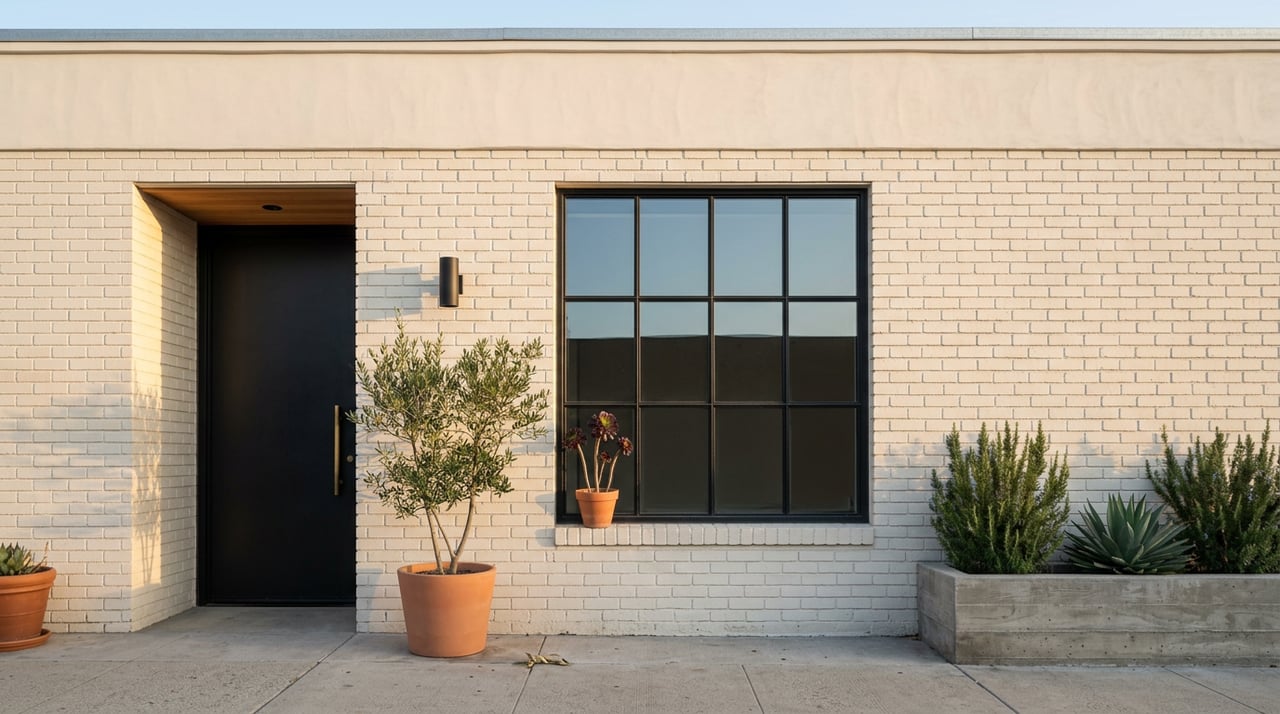
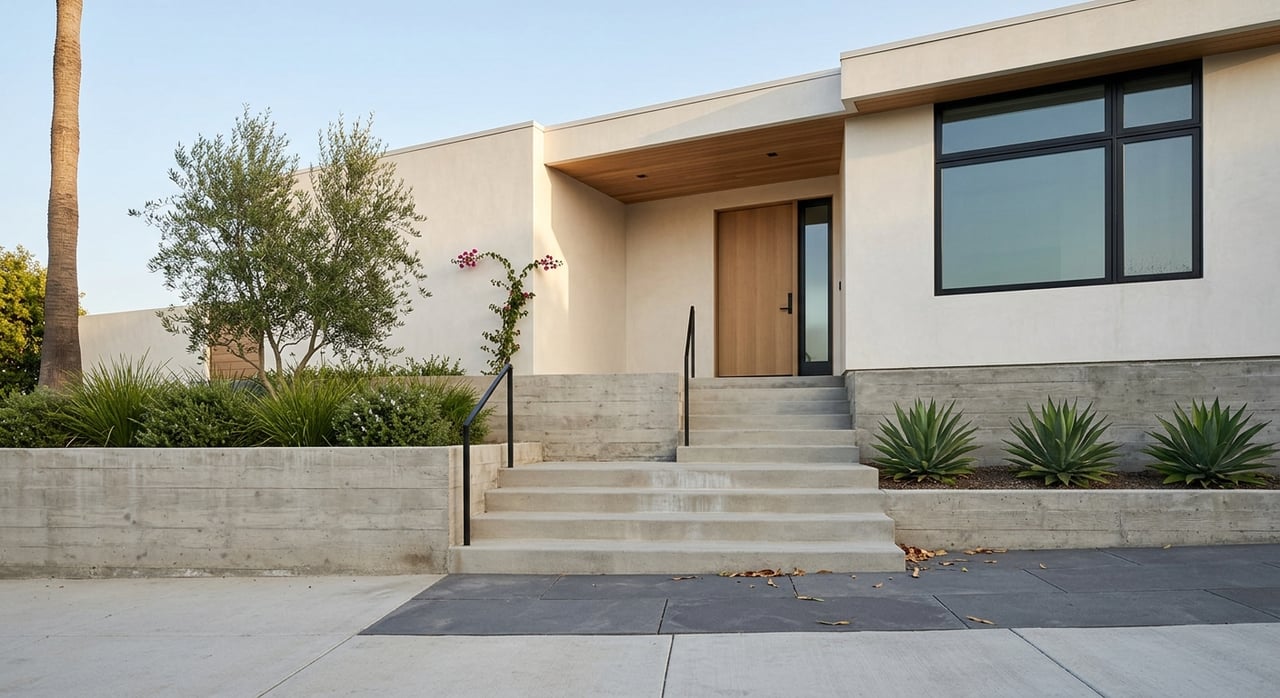
- Prioritize noncombustible or irrigated surfaces around the home. Gravel, hardscape, and irrigated low‑fuel plants can work well.
- Avoid wood mulch against the structure. Move woodpiles, outdoor furniture, and other combustible items away from walls and vents.
- Keep the area free of dry leaves and debris.
Intermediate zone: 5–30 feet
- Reduce continuous fuels by separating plants and removing lower branches.
- Maintain irrigated, well‑pruned landscaping near windows and eaves.
- Choose low‑flammability, well‑maintained plants and keep growth in check.
Extended zone: 30–100 feet, or to the property line
- Thin vegetation to break up canopies and remove ladder fuels that carry fire from the ground into trees.
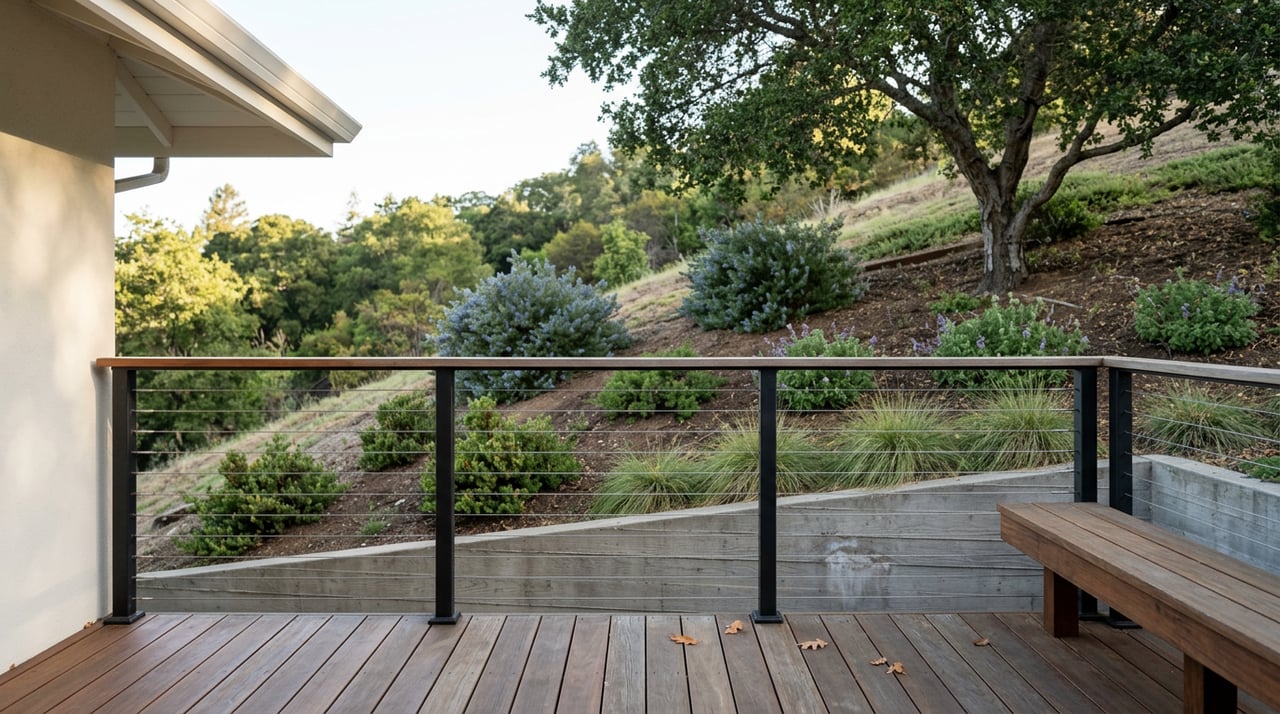
- On slopes, consider wider spacing and more aggressive thinning. Fire intensifies uphill, so extra distance helps.
- Focus on continuity. Where vegetation is unbroken, create breaks using spacing, stone terraces, or low‑fuel, irrigated plantings.
Hillside adjustments that matter
Eagle Rock’s topography can magnify wildfire behavior. Use these slope‑specific tips:
- Increase horizontal defensible space as slope increases. Fires move faster uphill, so more distance helps slow flames and embers.
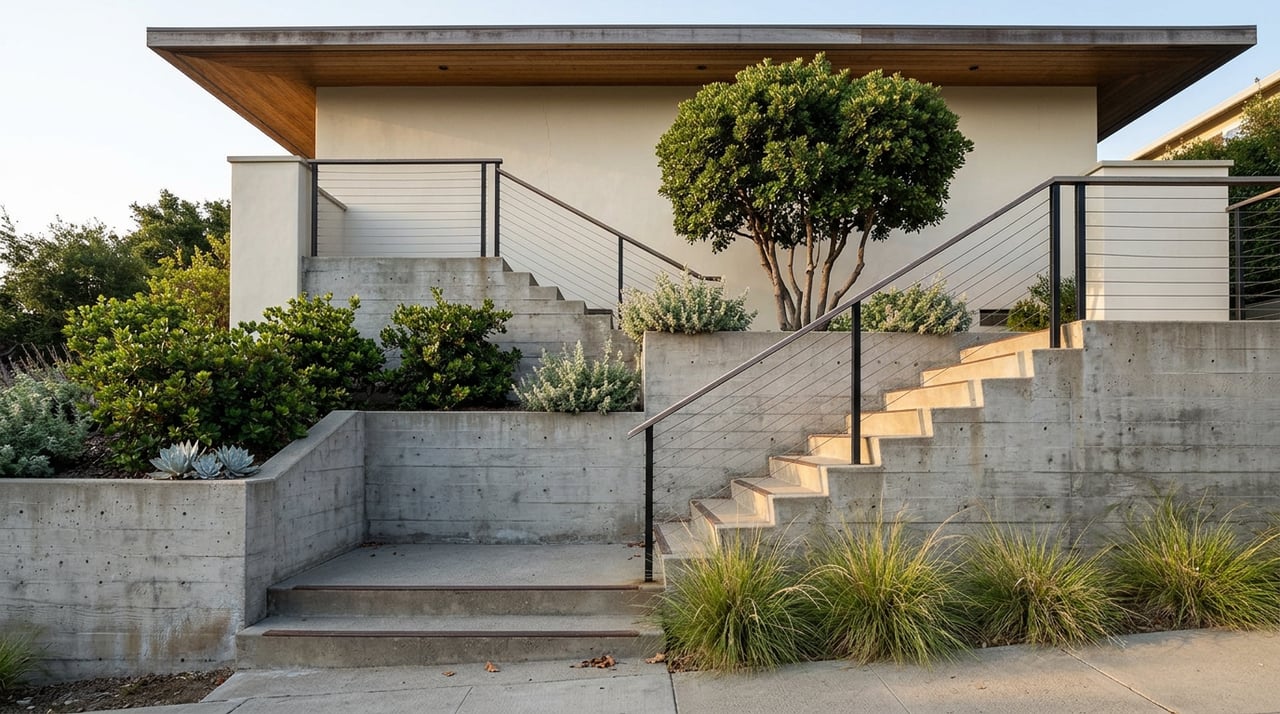
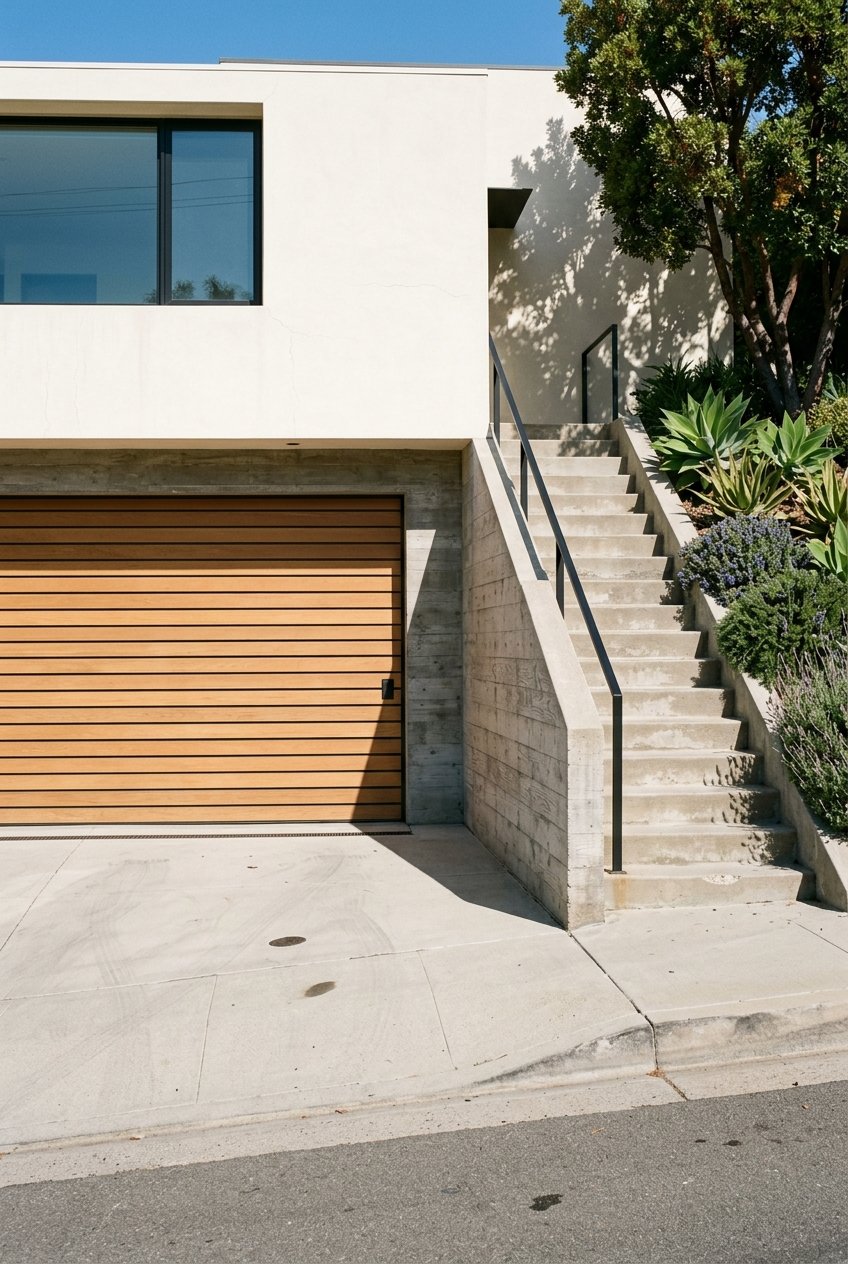
- Avoid dense shrubs on steep slopes. Opt for rock or stone terraces, irrigated groundcovers, and low‑fuel plantings.
- Keep access routes clear for responders and maintenance crews. Trimming along driveways and paths is part of a holistic plan.
Home hardening against embers
Embers are the most common way homes ignite. Hardening the structure reduces places embers can enter or ignite.
High‑priority components
- Roofs: Aim for a Class A roof when possible. Replace cracked tiles or shingles and keep valleys free of debris.
- Vents and eaves: Use ember‑resistant vent covers and metal mesh. A 1/8 inch or finer mesh is commonly recommended to reduce ember entry.
- Gutters: Clean gutters often. Dry leaves here can ignite and spread fire to walls and eaves.
- Windows and glass doors: Dual‑pane tempered glass provides better resistance. Close shutters during wildfire events if present.
- Exterior walls and decks: Choose ignition‑resistant materials where feasible. Do not store combustibles under or on decks.
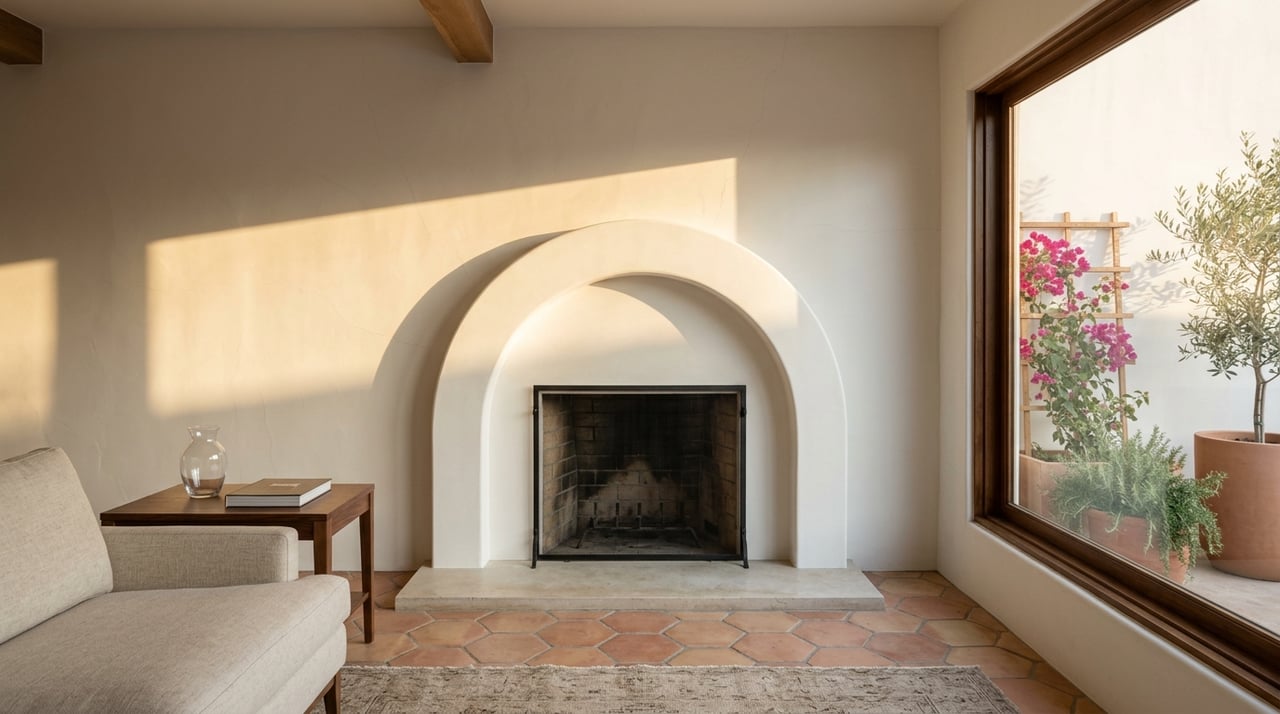
- Chimneys and stovepipes: Maintain approved screens and keep them in good condition.
Low‑cost, high‑impact maintenance
- Clean roofs and gutters at least twice a year, and more frequently during fire season.
- Replace damaged shingles, flashing, and tiles promptly.
- Trim vegetation away from roof edges and decks.
- Inspect and maintain ember screens at vents and openings.
Retrofits and documentation
- Prioritize ember screens, sealing gaps under decks, replacing vent screens, and regular cleaning if you are starting small.
- If you upgrade to a Class A roof or install tempered glass, keep receipts and before‑and‑after photos. Documentation supports buyer confidence and insurance reviews.
Brush clearance and smart plant choices
Great defensible space balances fire safety with thoughtful, low‑water landscaping.
Clearance and routine care
- Plan annual inspections, with more intensive pruning and clearing in late spring before peak fire season.
- Remove ladder fuels by limbing lower branches, and space tree crowns so they do not touch.
- Avoid highly flammable wood mulch within 5 feet of the house. Use gravel or other noncombustible materials in the immediate zone.
Plant selection for Los Angeles hillsides
- Favor low‑fuel, well‑maintained options such as many succulents, irrigated low‑growing ornamentals, or irrigated lawn near the home if feasible.
- Be cautious with resinous or oil‑rich plants, and avoid dense plantings on slopes where fire can climb rapidly.
- Maintenance matters. Even lower‑risk plants can be hazardous if overgrown or full of dead material.
Water wise and fire smart
- Use targeted drip irrigation to keep critical plants healthy without overwatering.
- Focus water where it has the most risk‑reduction value, especially within the first 30 feet.
- Keep mulch modest and well maintained to retain moisture without creating a new fuel source.
Permits, inspections, and insurance
Eagle Rock homeowners should plan ahead for compliance and documentation.
- Permits: Large tree removals and work involving protected species may require city approval. Roofing and structural changes often need permits. Always check with city departments before major work.
- Enforcement: Within the City of Los Angeles, the fire department oversees brush clearance and can cite hazardous vegetation conditions.
- Insurance: Many insurers now require proof of mitigation for renewals or new policies in higher‑risk areas. Keep dated photos, receipts, and inspection reports for all defensible space and hardening work.
Buyer and seller playbook for Eagle Rock
If you are evaluating a hillside home or preparing to sell, use this checklist to reduce surprises.
For buyers
- Request recent defensible‑space maintenance records, including photos.
- Order a home inspection that covers the roof, vents, chimney, and vegetation with wildfire risk in mind.
- Consider an independent wildfire hazard assessment if the home sits on a steep slope or in a mapped very high hazard zone.
- Ask about prior burn history, brush clearance compliance, and any fire department notices.
For sellers
- Compile receipts and permits for roofing, vent upgrades, glazing, and defensible space work.
- Conduct seasonal clearance before listing and document the results with photos.
- Highlight home‑hardening features and routine maintenance in your property disclosures and marketing.
- Coordinate with neighbors along shared property lines to ensure continuity of fuel reduction.
Your 3‑phase action timeline
Use this simple sequence to get started and stay on track.
Short‑term: next 0–3 months
- Clear roofs and gutters. Inspect for cracked tiles and missing shingles.
- Remove combustibles within 0–5 feet of the structure, including woodpiles and outdoor furniture.
- Install or inspect ember screens on vents and chimneys.
- Trim back branches that touch or overhang the home and remove dead vegetation.
Seasonal: before fire season each year
- Complete brush clearance and thinning out to 30–100 feet as appropriate to your lot.
- Limb lower branches and thin crowns to recommended spacing.
- Photograph completed work and save invoices to document compliance and maintenance.
One‑time or capital upgrades
- Upgrade roofs to high fire‑resistant materials when replacing.
- Install ember‑resistant vents and consider dual‑pane tempered windows.
- Consider ignition‑resistant decking or protective treatments where feasible.
Long‑term and neighborhood coordination
- Collaborate with adjacent owners on shared vegetation management.
- Explore neighborhood preparedness groups and community fuel‑reduction plans for greater impact.
How we can help
If you are buying or selling a hillside property in Eagle Rock, a clear defensible‑space plan can ease insurance questions and improve buyer confidence. We help you position your home’s upgrades and maintenance with thoughtful documentation, and for sellers we advise on pre‑sale improvements through design‑minded preparation. For buyers, we focus your due diligence on high‑impact items like roofing, vents, and slope‑specific vegetation to support a confident offer.
Ready to talk through a plan for your hillside home? Get a Complimentary Valuation & Design Plan with Longfellow + Leach for a calm, expert path forward.
FAQs
What is defensible space for an Eagle Rock home?
- Defensible space is a series of managed zones around your house that reduce ignition risk. A common framework uses 0–5 feet, 5–30 feet, and 30–100 feet to guide tasks like spacing, pruning, and removing ladder fuels.
How much clearance do I need in Los Angeles?
- Many guidance models recommend up to 100 feet around structures or to the property line. Within city limits, confirm requirements with local fire officials and treat state guidance as a best‑practice framework.
Do I need permits to remove trees or do roof work?
- You may. Protected trees and significant removals often need city approval, and roofing or structural work typically requires permits. Check with city departments before starting.
Which home upgrades help most with embers?
- Prioritize Class A roofing where feasible, ember‑resistant vents with fine mesh, clean gutters, sealed gaps under decks, and dual‑pane tempered windows. Maintain these features regularly.
How does mitigation affect my homeowner insurance?
- Insurers increasingly ask for proof of mitigation in fire‑prone areas. Dated photos, receipts, and inspection records for hardening and defensible space can support underwriting and renewals.